
This post may contain affiliate links. Please see my disclosure policy for details.
Why Everyone’s Obsessing Over Wooden Desks Right Now
Look, I get it. You’re tired of that flimsy particle board disaster you bought three years ago. The veneer’s peeling, one leg sits lower than the others, and every time you lean on it, you wonder if today’s the day it finally gives up.
Here’s what nobody tells you: not all wooden desks are created equal.
The desk I’m writing on right now? Solid oak, weighs about a thousand pounds, and could probably survive a small earthquake. The one before this? “Wood-look” chipboard that literally crumbled when I tried moving it.
The Wood Types That Actually Matter (And the Ones That Don’t)
The Heavy Hitters
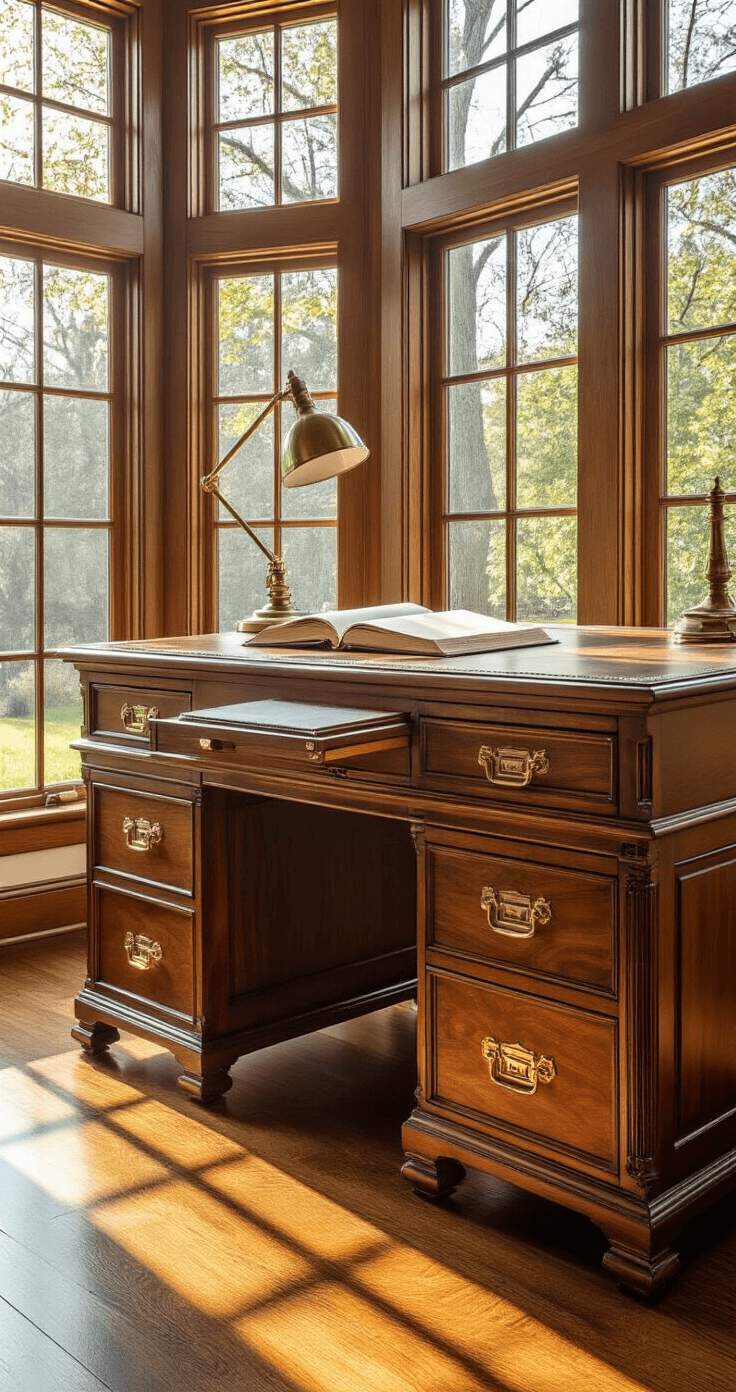
Oak is the workhorse of desk woods. It laughs at coffee spills, doesn’t dent when you drop your phone, and develops this gorgeous patina over time. I’ve had my solid oak writing desk for six years, and it looks better now than the day I bought it.
Walnut is for when you want people to notice your desk. Rich, dark, sophisticated. My friend Sarah has a walnut executive desk, and I’m not ashamed to admit I’m jealous. It’s like the difference between a Honda and a Mercedes—both get you there, but one does it with style.
Maple handles abuse like a champ. Got kids? Maple’s your friend. It’s hard as nails and scratches don’t show up as easily as darker woods.
The Budget-Friendly Options
Pine gets a bad rap, but hear me out. A well-made pine desk costs half what oak does and can last decades if you treat it right. The catch? It dents easier, so maybe don’t use it as a hammer station.
I started with a pine computer desk in my first apartment. Twenty years later, my sister’s still using it.
Real Talk: Solid Wood vs. Veneer vs. That Fake Stuff
This is where furniture salespeople get squirmy.
Solid wood means exactly that—actual wood, all the way through. Cut it, sand it, see wood. These desks are investments, not purchases.
Wood veneer is a thin slice of real wood glued over cheaper material. Not necessarily bad if done right. High-quality veneer desks can look stunning and cost way less than solid wood. Just don’t expect to refinish them in 20 years.
Laminate or “wood-look” is basically a photograph of wood printed on particle board. Sometimes that’s all you need. I’m not here to judge your budget. Just know what you’re buying.

Desk Styles That Actually Work in Real Homes
The Classic Writing Desk
Simple, elegant, no frills. Perfect for:
- Small apartments
- Bedrooms where you need something that doesn’t scream “office”
- People who use laptops and don’t need massive surface area
I keep a small walnut writing desk in my bedroom for morning journaling. It’s 36 inches wide and disappears into the room.
The L-Shaped Beast
My current setup. Gives you tons of workspace without eating your entire room. One side for computer work, the other for spreading out papers, coffee cups, that plant you keep meaning to water.
Watch out for cheap L-shaped desks though. The corner joint is where they fail first. Look for metal brackets or solid wood construction at that crucial point.
The Standing Desk Revolution
I resisted these for years because I’m stubborn. Then my back staged a rebellion.
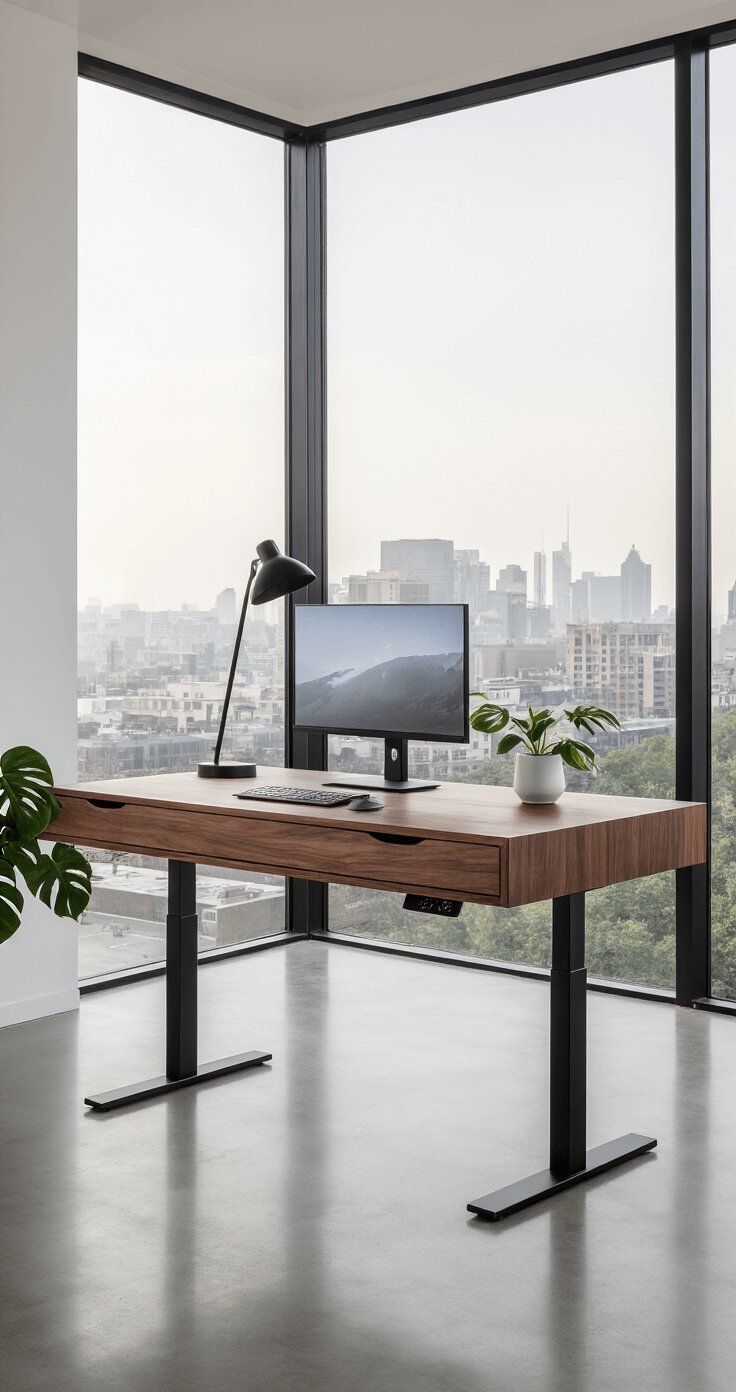
Adjustable wooden standing desks combine the warmth of wood with modern ergonomics. Mine switches between sitting and standing heights with a button press.
Pro tip: Start with 15 minutes standing per hour. I went all-in on day one and could barely walk the next morning.
The Minimalist Wall-Mounted Option
Perfect for tiny spaces. Mounts directly to your wall, folds up when you’re done. I installed one in my son’s room because he has approximately 47 square feet of floor space.
Not great if you need permanent desk real estate, but brilliant for occasional use.
What Nobody Tells You Before You Buy
Weight Matters More Than You Think
Heavy desks don’t wobble. That’s it. That’s the secret.
If you can pick up an assembled desk by yourself without grunting, it’s probably not solid wood. My oak desk required three people and questionable language to move upstairs.
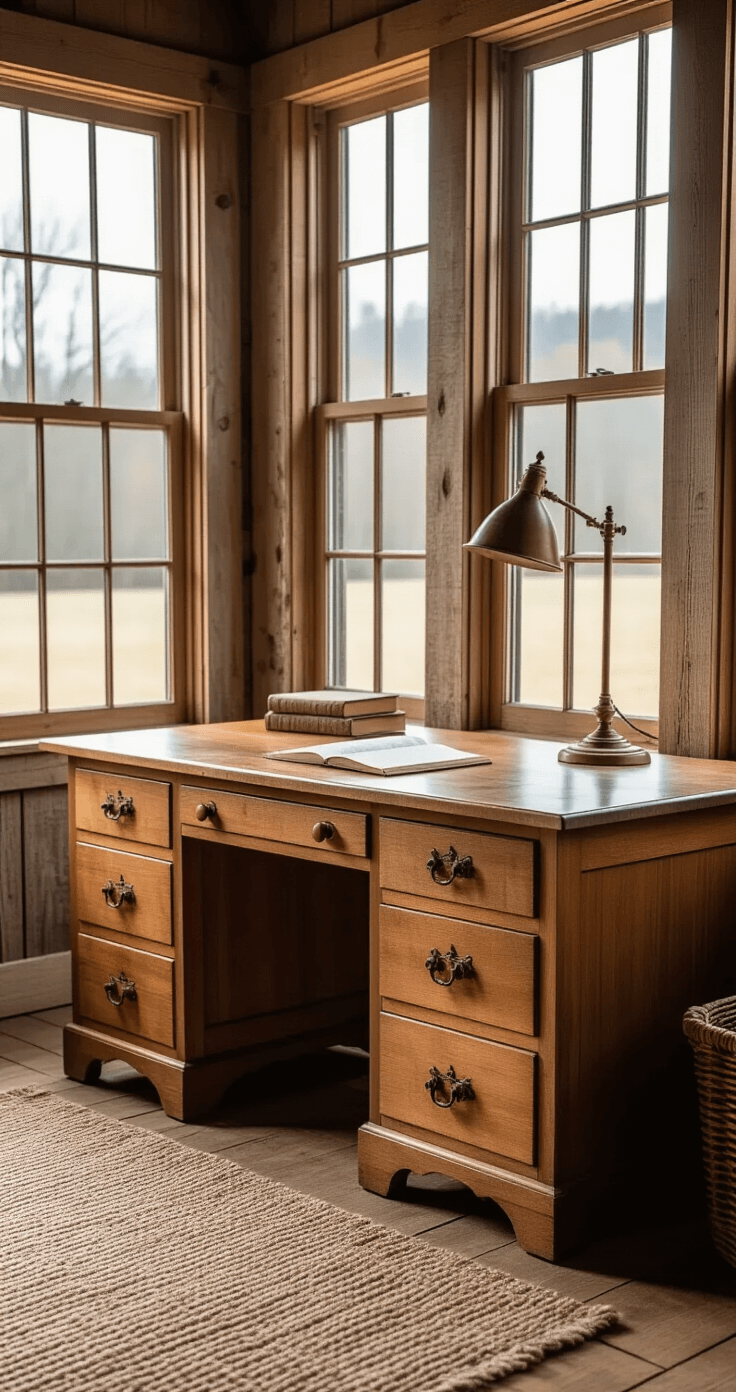
Drawer Construction Reveals Everything
Pull out a drawer fully. Look at the corners.
Dovetail joints = quality craftsmanship
Staples or glue = bargain bin construction
The drawers on cheap desks fail first. I’ve had drawer bottoms literally fall out while full of papers. Not fun.
Finish Quality Determines Longevity
A good finish protects against:
- Water rings from your millionth coffee cup
- Scratches from laptops, phones, keys
- Sun damage if your desk sits near windows
Catalyzed conversion varnish is the gold standard. Waterproof, heat-resistant, UV-protected. Sounds fancy, costs more, but worth every penny.
Oil finishes look gorgeous but need maintenance. You’ll refinish every few years. I love the look but don’t love the work.
The Size Question Everyone Gets Wrong
Measure Your Space (Seriously, Do It)
I once ordered a desk that was “perfect” online. In my room, it looked like I’d installed an aircraft carrier.
Measure your space. Add these clearances:
- 36 inches