

This post may contain affiliate links. Please see my disclosure policy for details.
Why Vintage Desks Are the Smartest Investment You’ll Make for Your Home Office
Vintage desks aren’t just furniture—they’re time machines that transform your workspace from bland to brilliant while actually holding their value.
I bought my first vintage desk at an estate sale fifteen years ago for $200, and last month someone offered me $800 for it. I said no. That’s the thing about quality pieces from another era—they don’t just sit there looking pretty, they appreciate while you work.
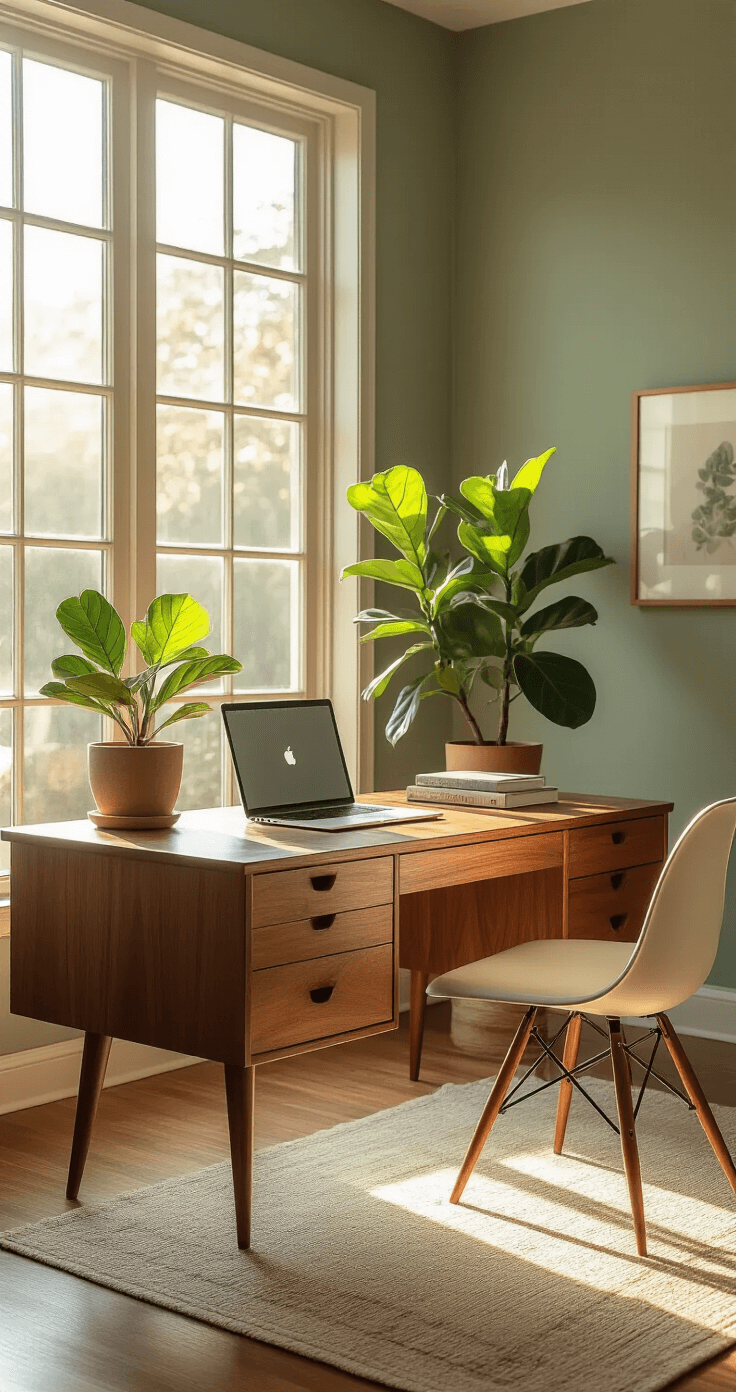
What Makes a Desk “Vintage” Anyway?
Look, I’m not talking about that IKEA desk you bought in 2010. Vintage desks are secondhand office furniture pieces, typically ranging from early 1900s through late 20th century designs, that combine functionality with distinctive aesthetic and craftsmanship.
They were built during a time when furniture makers actually gave a damn about their work. Real dovetail joints. Solid wood construction. Hardware that doesn’t strip after three months.
The difference between vintage and just “old” comes down to three things:
- Quality of materials – We’re talking solid walnut, not particle board with a veneer sticker
- Craftsmanship – Hand-cut joints and attention to detail you simply don’t see in modern mass production
- Design significance – Pieces that represent specific movements or periods in furniture design
The Styles That Actually Matter (And Won’t Look Dated in Five Years)
You can find vintage desks in a wide variety of styles, and I’ve worked on or owned most of them. Here’s what you need to know:
Mid-Century Modern – The Gateway Drug
Mid-Century Modern desks feature clean lines and materials like walnut and teak. They’re everywhere right now, which means two things: easy to find and sometimes overpriced.
I love these pieces because they work in literally any room. Minimalist apartment? Check. Traditional home? Still works. They’re the denim jeans of vintage furniture—always appropriate.
Secretary Desks – The Space-Saving Champions
Secretary desks offer compact, fold-up designs that save space. I had one in my first apartment, and it saved my sanity.
Close the front panel, and boom—instant tidy workspace. No one needs to see your organized chaos when guests come over.
Campaign Desks – Built for Battle (And Your Home Office)
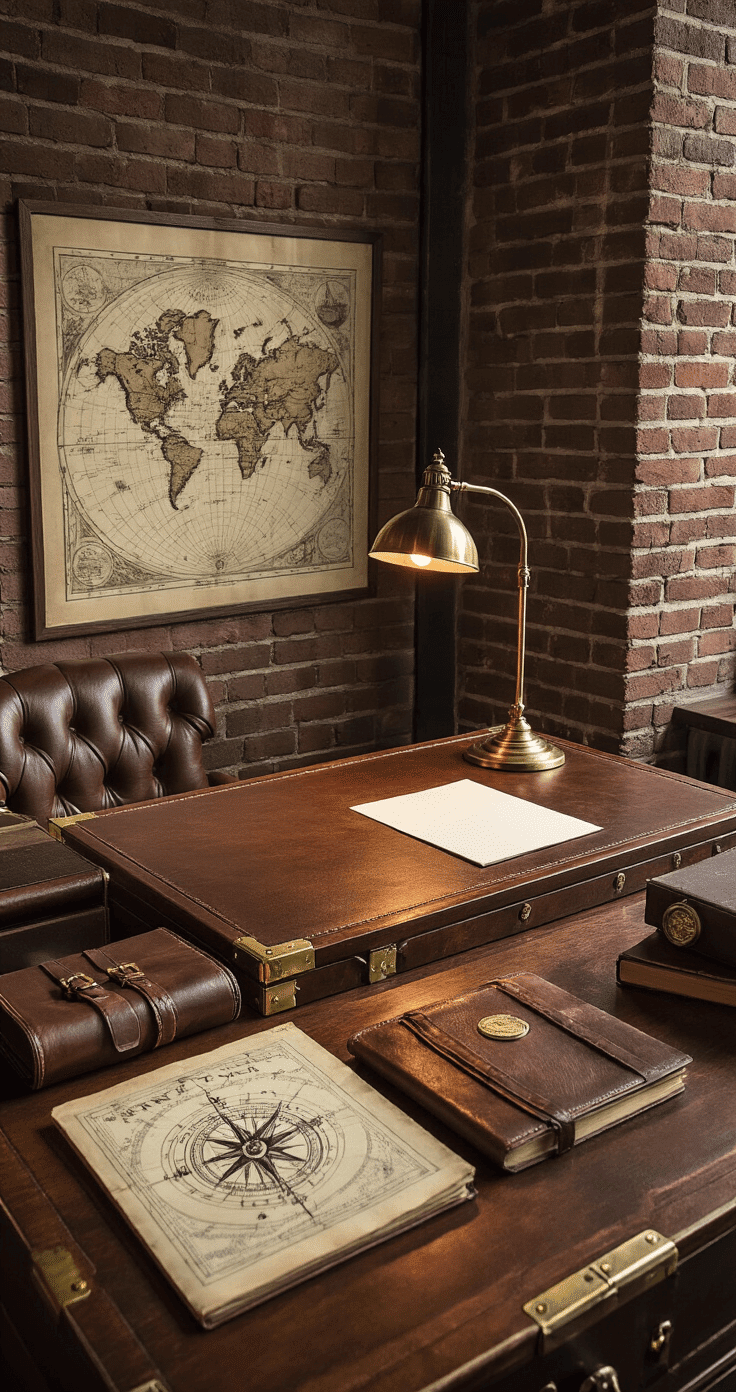
Campaign desks were modeled after military furniture with modular construction. Originally designed to be packed up and hauled across continents, these things are basically indestructible.
Brass corners. Leather writing surfaces. Drawers that actually slide properly.
If you have kids or pets, this is your desk.
Danish Modern – When Less Really Is More
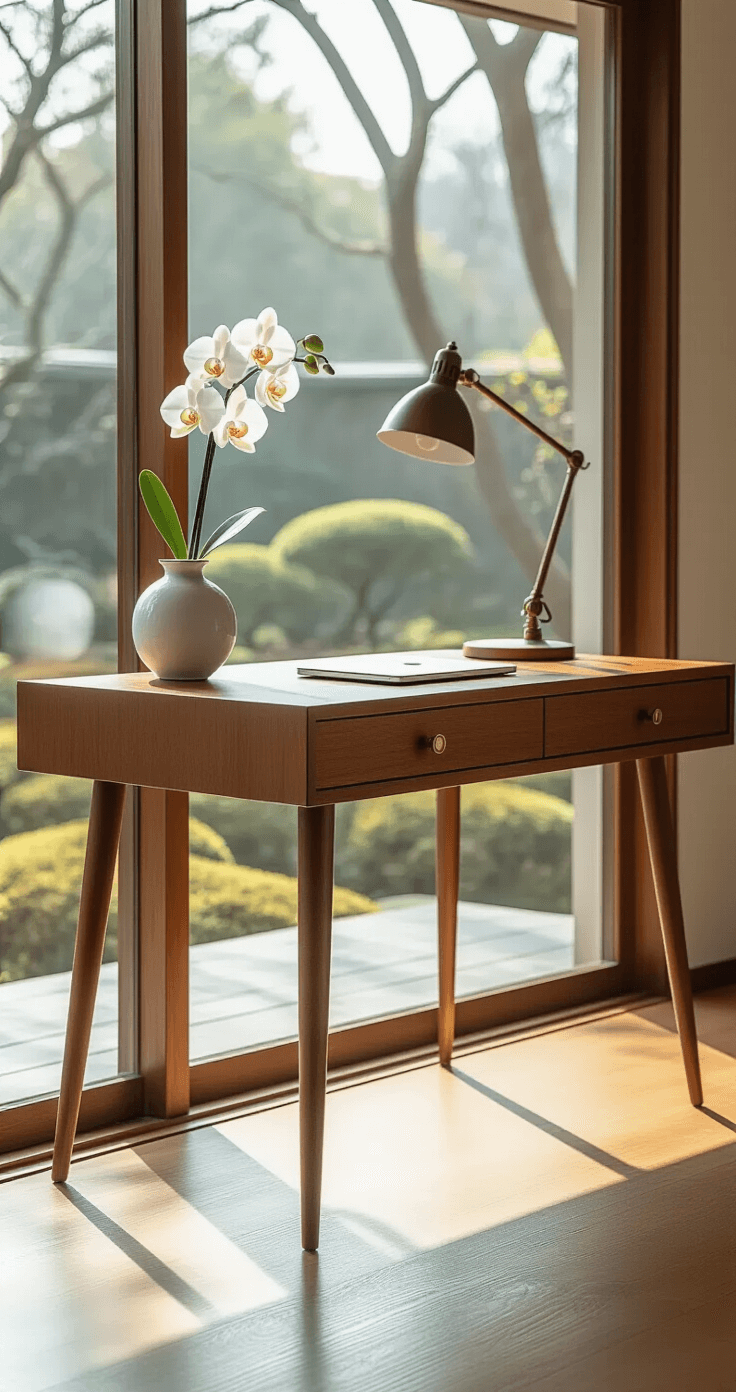
Danish Modern desks bring minimalist Scandinavian designs that make you feel calmer just looking at them. Teak wood that ages like fine wine. Tapered legs that seem to defy physics.
I furnished my entire office with Danish pieces, and my stress levels dropped noticeably. There’s something about that restrained elegance that clears your mind.
The Show-Offs: Art Deco and Art Nouveau
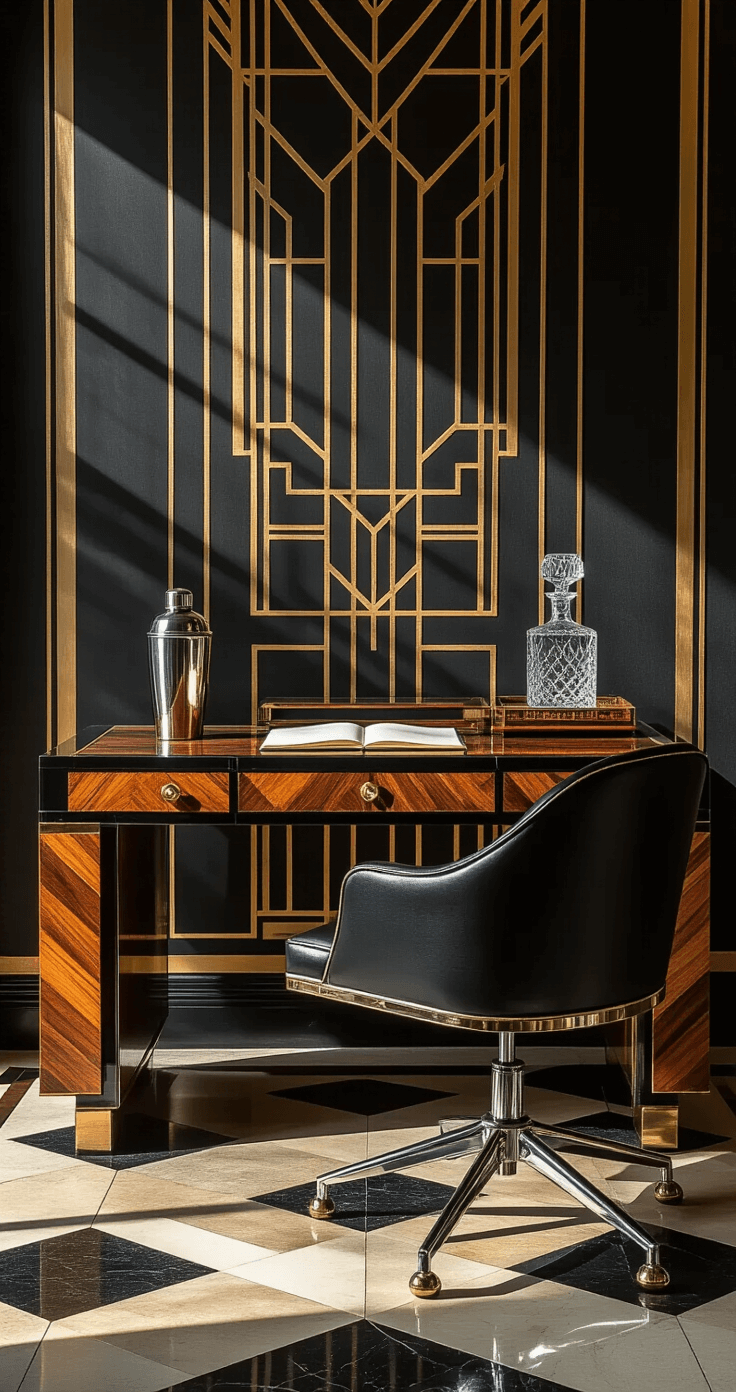
Art Deco and Art Nouveau desks are ornate, decorative pieces that demand attention. These aren’t for everyone. They’re statement pieces that either become the focal point of your room or look completely out of place.
I’ve seen a stunning Art Deco desk with geometric inlays turn a boring home office into something from a film noir movie. But I’ve also seen people buy these pieces and regret it within months because they overwhelm smaller spaces.
Traditional Heavy Hitters
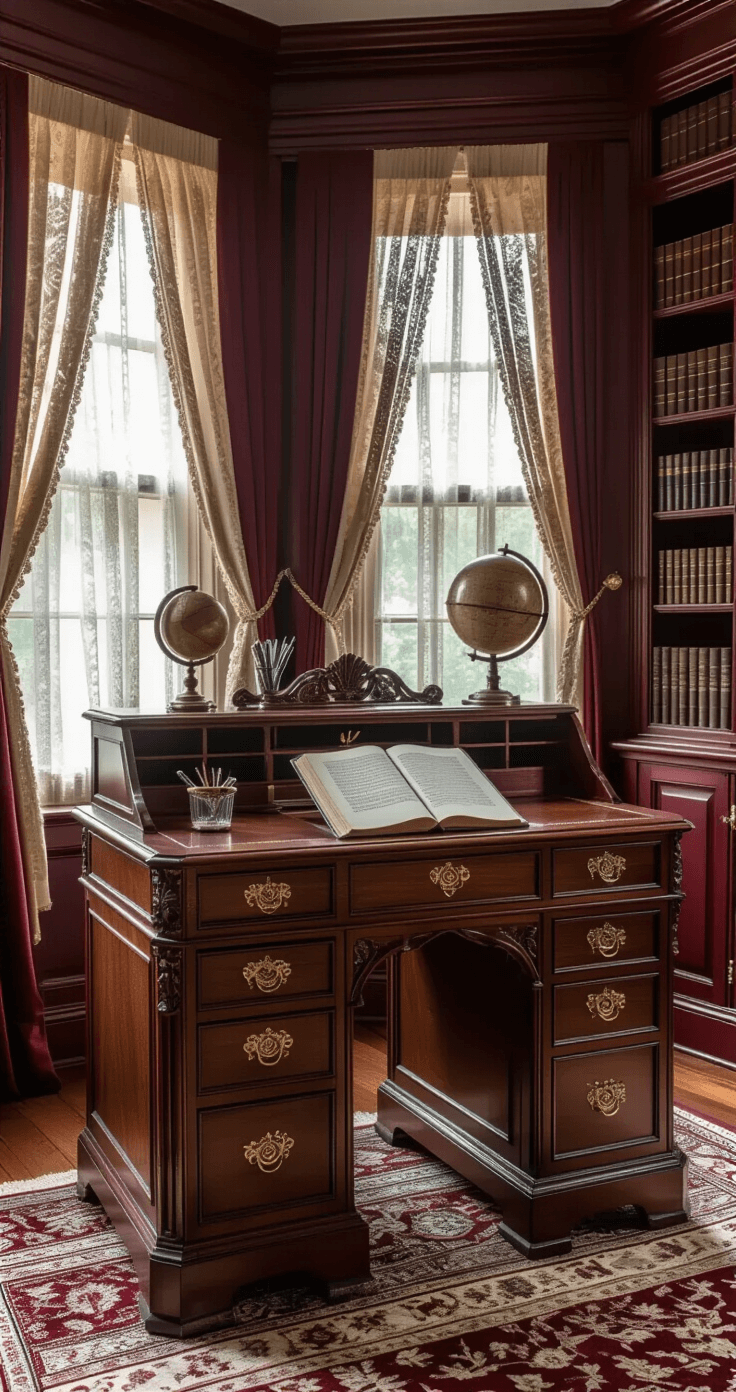
Victorian and Chippendale desks offer traditional styles with detailed woodwork. Dark wood. Ornate carvings. Leather tops.
These are power desks—the kind that make you want to write important letters with a fountain pen. They work brilliantly in traditional homes but can feel stuffy in modern spaces.
Industrial and Bankers’ Desks – The Workhorses
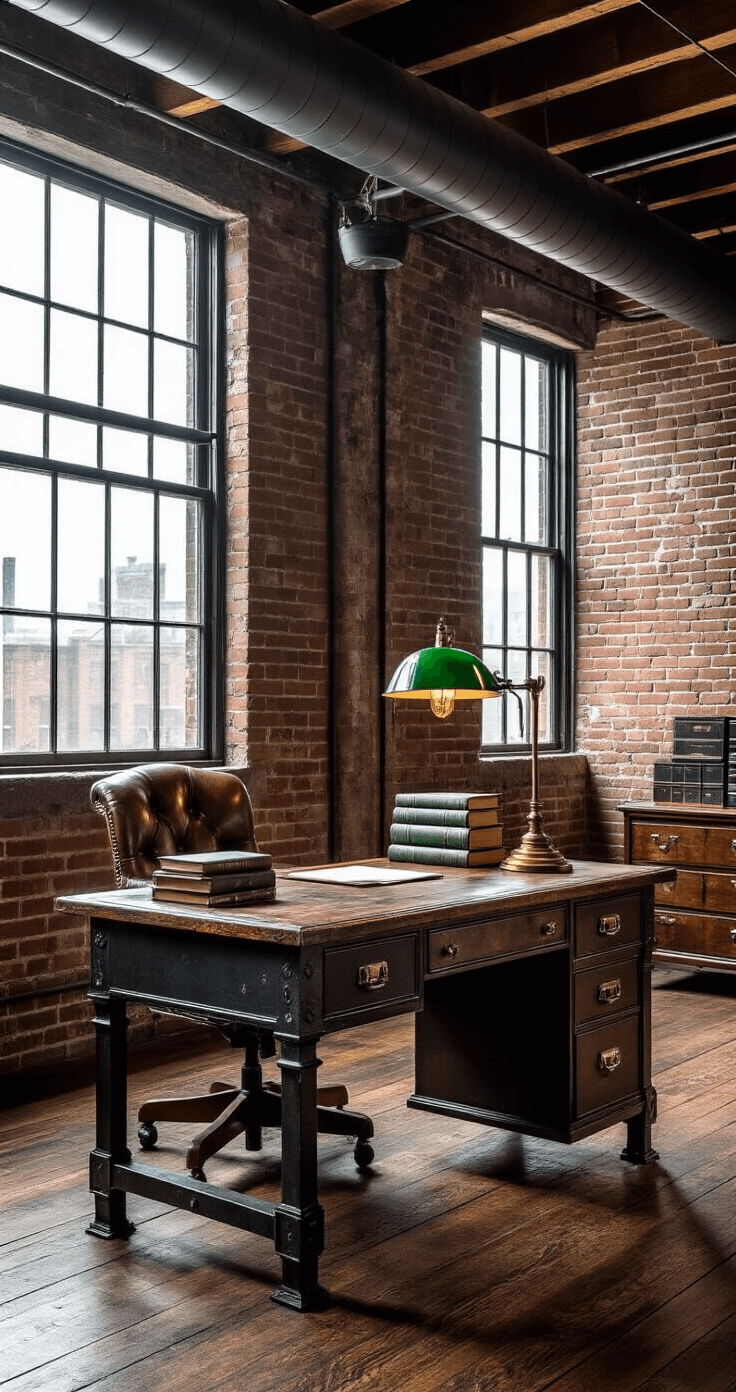
Industrial and bankers’ desks combine heavy steel and wood construction. These are the desks your grandfather’s accountant used.
Cast iron frames. Oak or maple tops scarred from decades of actual work. Drawers that weigh more than some modern desks entirely.
I have a vintage banker’s desk in my office, and it’s survived two moves, one flood, and countless coffee spills.
What They’re Actually Made From (And Why It Matters)
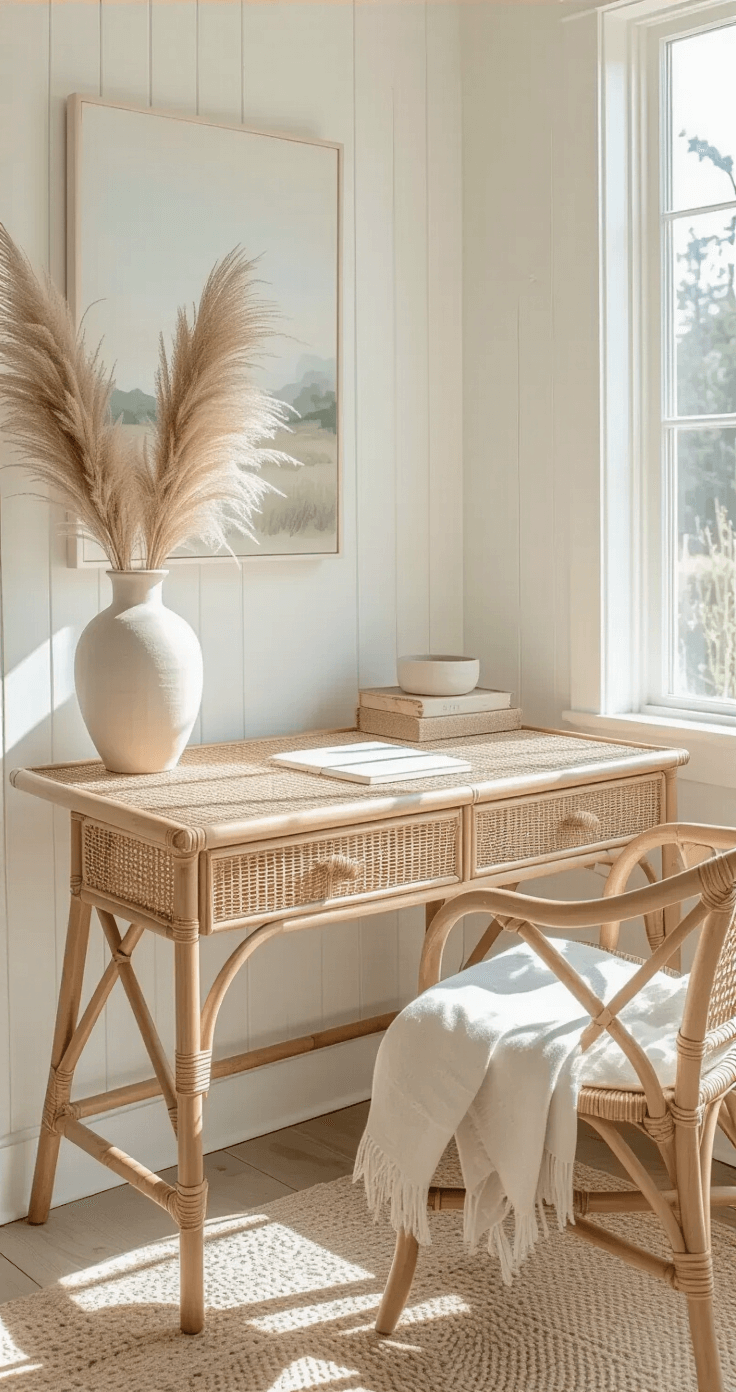
Vintage desks are typically crafted from wood, metal, steel, brass, walnut, oak, and cast iron, with materials chosen to create both durability and style.
Here’s what I’ve learned from refinishing about a dozen of these pieces:
- Solid wood desks (walnut, oak, mahogany, teak):
- Can be refinished multiple times
- Actually get more beautiful with age
- Heavy as hell (plan your room layout carefully because you’re not moving this thing often)
[…] desks combine the clean lines and functional ethos of midcentury design with practical workspace features, making them a popular choice for home offices, living rooms, and […]