
This post may contain affiliate links. Please see my disclosure policy for details.
School Desks: Everything You Need to Know Before You Buy One
School desks matter more than you think.
I learned this the hard way when my daughter came home with a backache after just two weeks of third grade.
The culprit? A desk that was too low for her height, forcing her to hunch over like a question mark for six hours a day.
You might be wondering: Does the type of school desk really make that much difference?
Short answer: absolutely.
Whether you’re a parent setting up a homeschool space, a teacher refreshing your classroom, or an administrator planning a school renovation, picking the right desk affects everything from posture to productivity to how well kids actually learn.
Let me walk you through what actually works.
What Exactly Is a School Desk Anyway?
School desks are specialized furniture pieces built specifically for students to write, study, and store their materials during learning hours.
They’re not just miniature office desks.
These pieces need to handle spilled juice boxes, pencil stabbings, chair kickings, and the occasional dramatic desk slam when math gets frustrating.
The best ones disappear into the background, letting kids focus on learning instead of fidgeting with uncomfortable seating or awkward work surfaces.
The worst ones? They create distractions, discomfort, and sometimes actual physical problems that follow kids home.
The Five Main Types You’ll Actually Encounter
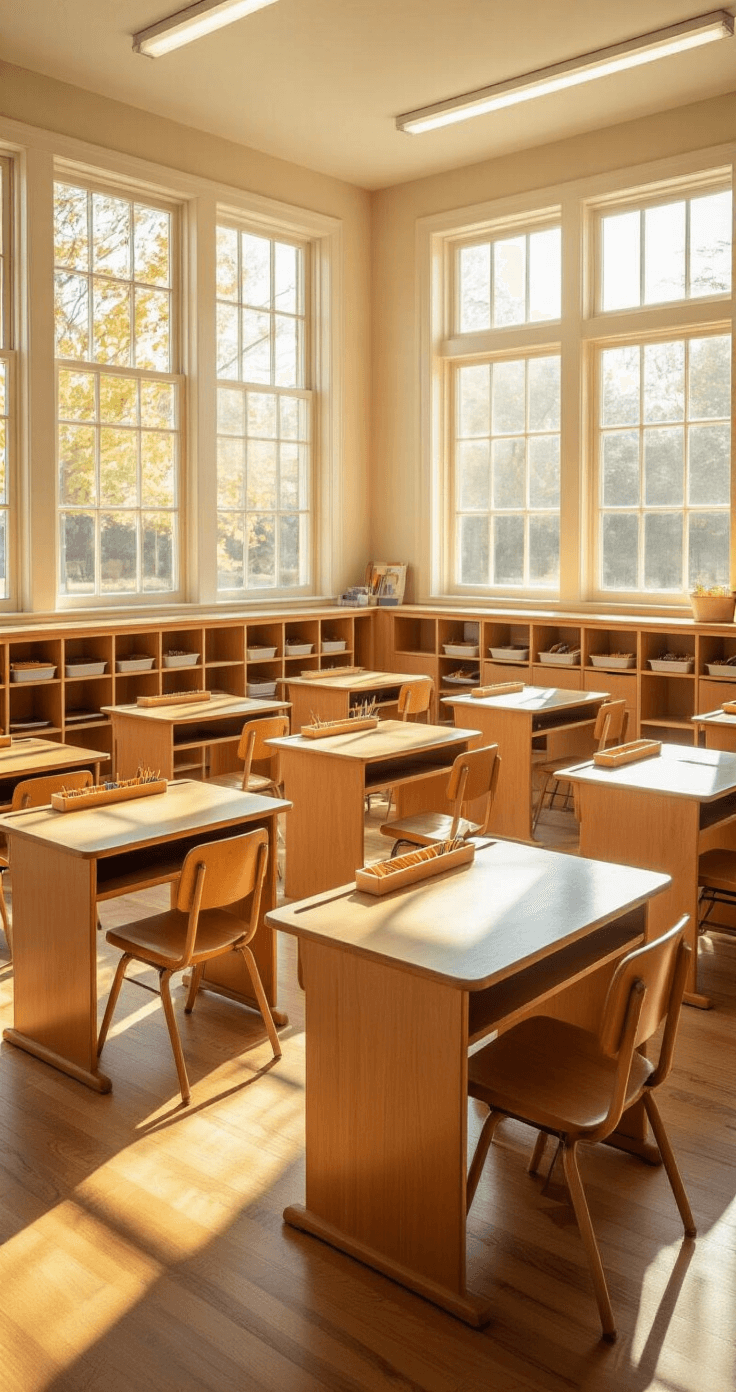
Traditional Rectangular Desks: The Classroom Workhorse
These are the desks you probably sat at yourself.
Rectangular with a flat writing surface and usually a cubby or shelf underneath for books and supplies.
I’ve watched teachers arrange these in neat rows for decades, and honestly, there’s a reason they’re still around.
They work.
Here’s what makes them reliable:
- Generous work surface for spreading out textbooks, notebooks, and projects
- Under-desk storage keeps materials organized and off the floor
- Simple arrangement makes classroom management straightforward
- Durable construction means they last through years of student use
The downside? They’re not exactly exciting, and they don’t encourage much collaboration.
If you’re outfitting a traditional classroom where students need individual workspaces, a quality traditional school desk remains your safest bet.
Collaborative Desks: When Teamwork Actually Matters
These changed everything about how I set up my own classroom.
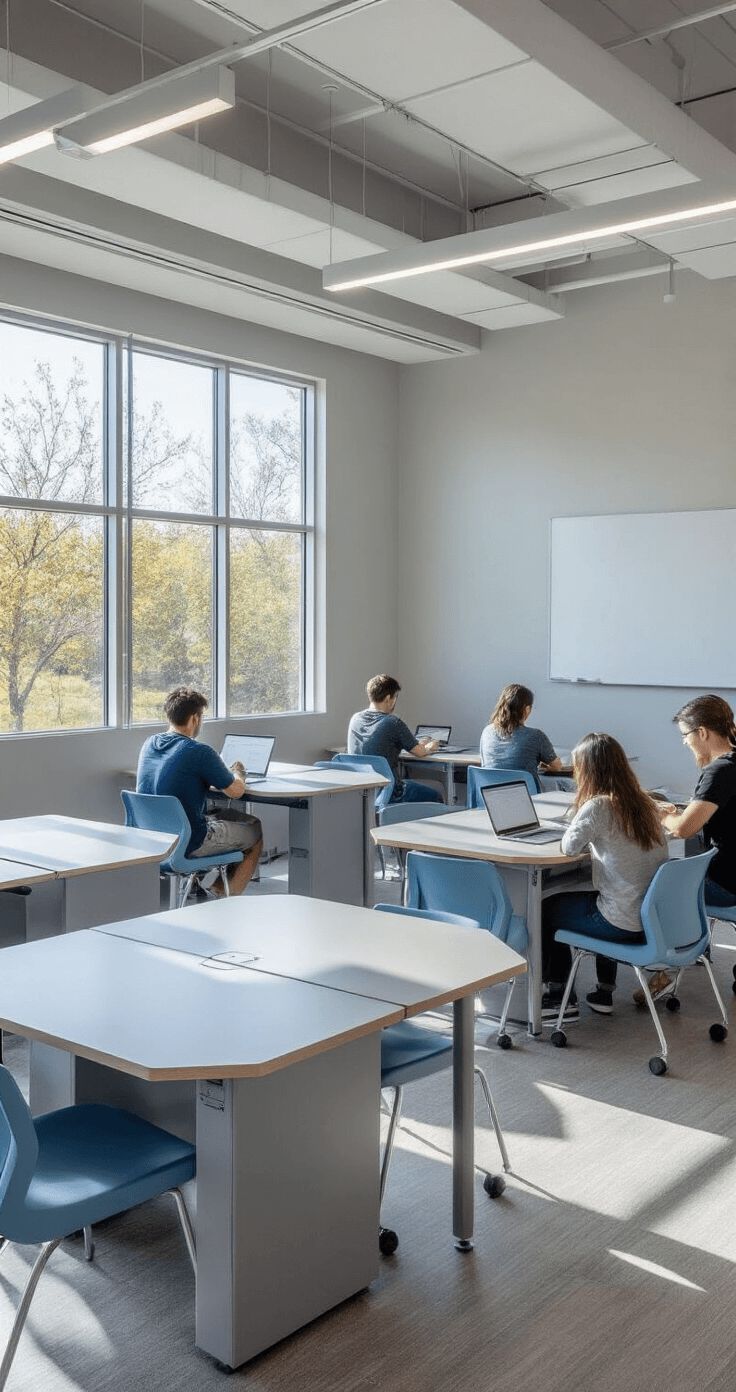
Collaborative desks come in wild shapes—trapezoids, hexagons, wedges that look like pizza slices.
At first, I thought they were just trendy nonsense.
Then I watched six students arrange them into a perfect circle for a science project, and suddenly everyone could see each other’s work, share materials, and actually talk like humans instead of turning around awkwardly in their seats.
Key benefits include:
- Flexible configurations that adapt to different group sizes
- Face-to-face interaction that mimics real workplace collaboration
- Space efficiency when you need to pack multiple groups into one room
- Built-in equity since no one sits at the “head” of a circular arrangement
The challenge? Storage can be tricky, and some kids genuinely work better alone.
For modern classrooms emphasizing group work, collaborative classroom desks create possibilities traditional rows simply can’t match.
Adjustable Height Desks: The Game-Changer for Growing Bodies
This is where I get a bit passionate.
Remember my daughter’s backache?
An adjustable height school desk solved it completely.
These desks let you modify the surface height to match each student’s size, which matters enormously when you’ve got a classroom with kids ranging from four feet to five-foot-six.
Proper desk height means:
- Feet flat on the floor (or on a footrest)
- Elbows at roughly 90 degrees when writing
- Eyes at a comfortable distance from the work surface
- Reduced neck and shoulder strain that builds up over school years
I’ve seen studies suggesting that proper ergonomics improves focus by reducing physical discomfort.
Makes sense, right? Hard to concentrate on fractions when your shoulders are screaming.
Some adjustable desks even convert to standing positions, which lets fidgety kids burn energy without leaving their workspace.
Worth every penny for elementary classrooms where height variation is dramatic.
Combination Desks: The Space-Saving Champion
These chair-desk combos look cramped until you actually use one.
I was skeptical until I taught a college seminar in a room with limited space.
A combination desk and chair gave every student a personal workspace without jamming us in like sardines.
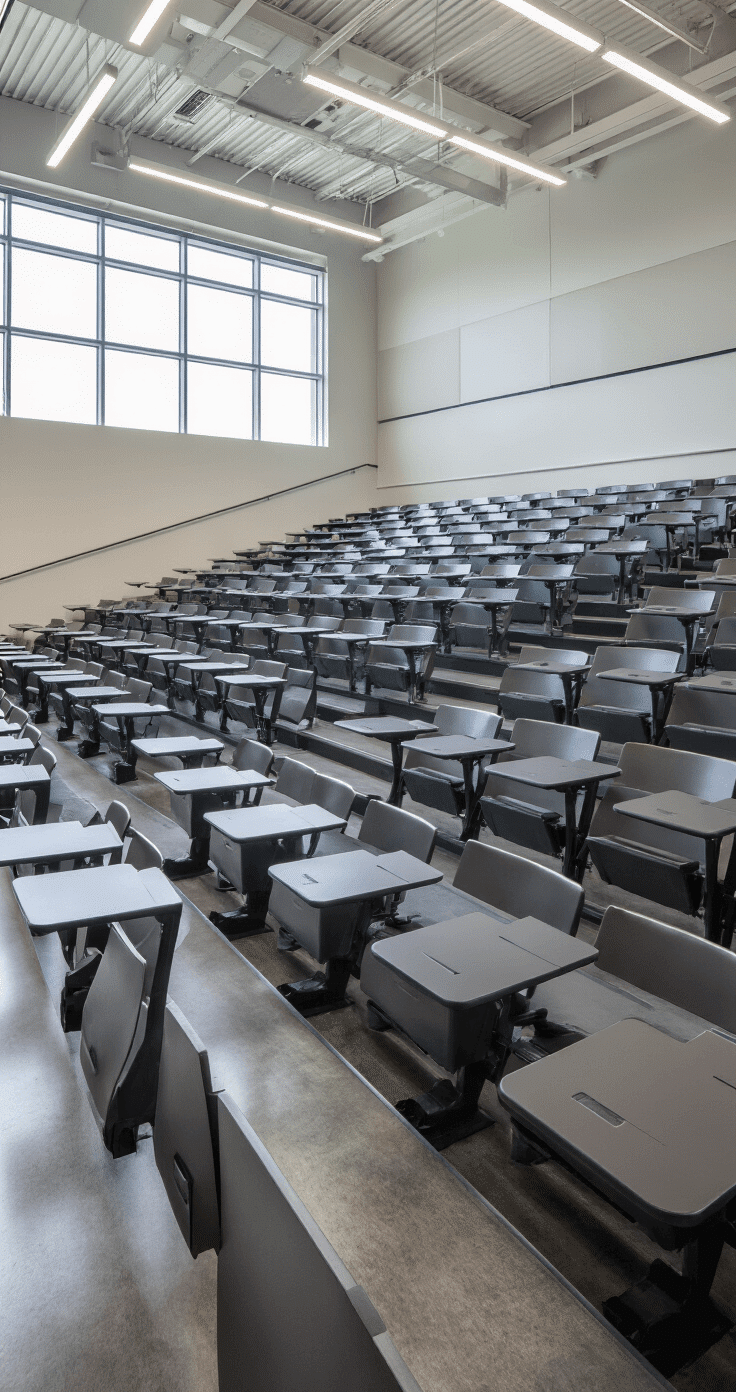
The design integrates the seat and work surface into one unit, typically with a writing pad that swings into position.
Best uses:
- Testing rooms where you need maximum capacity
- Lecture halls with stadium seating
- Temporary classrooms that need flexible furniture
- Older students who primarily take notes rather than spread out projects
The limitations are real, though.
Limited work surface means no room for multiple textbooks or craft projects.
Younger kids struggle with the compact design.
And left-handed students often get stuck with right-handed models that make writing genuinely awkward.
But for high schools and colleges where note-taking dominates? These are brilliant.
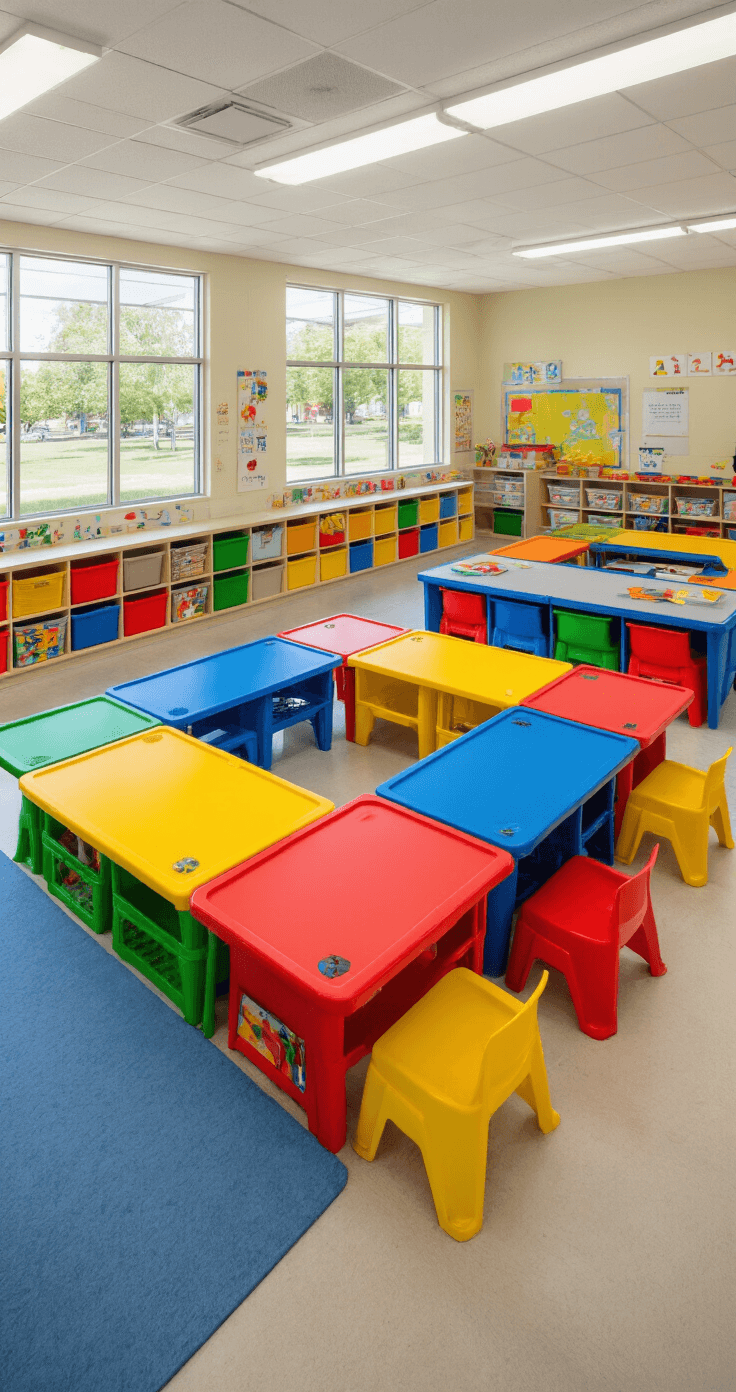
Double Desks: The Pair-Work Solution
Two students, one desk, surprisingly effective.
Double desks seat pairs of students at a shared work surface while giving each person their own defined space.
I’ve seen these work beautifully in elementary classrooms where teachers assign desk partners strategically