This post may contain affiliate links. Please see my disclosure policy for details.
Why a Desk Calendar Might Be the Productivity Tool You’re Actually Missing
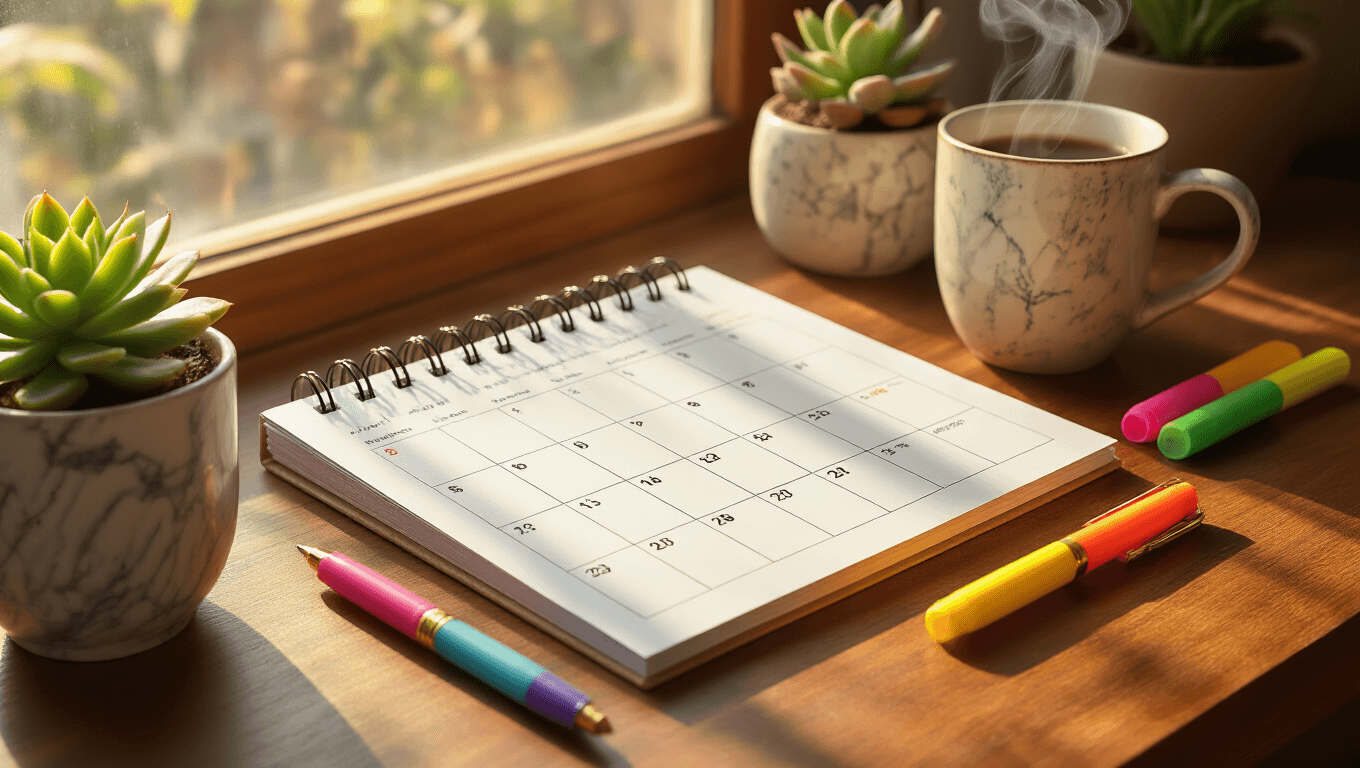
Desk calendars help you organize your life without the constant ping of notifications derailing your focus every five minutes.
I’ll be honest with you.
I spent years thinking I had my life together because every meeting, deadline, and grocery run lived in my phone.
Then one Tuesday, my battery died during a client presentation, and I realized I had no clue what the rest of my week looked like.
That’s when I bought my first desk calendar.
Changed everything.
Why Your Phone Isn’t Cutting It Anymore
Look, I’m not some anti-tech luddite preaching about the dangers of screens.
But here’s what I noticed: every time I opened my phone to check an appointment, I’d see seventeen notifications demanding my attention.
A text from my sister.
Three work emails.
Someone’s cat video.
Twenty minutes later, I’d completely forgotten why I picked up my phone.
A physical calendar doesn’t do that.
It sits there, minding its own business, showing you exactly what you need to see without trying to sell you shoes or remind you that your high school friend just posted vacation photos.
The Types That Actually Matter
Not all desk calendars work the same way, and figuring out which style fits your brain took me three tries.
Tear-off daily calendars give you a fresh start every morning.
I used one when I was tracking habits and building routines.
There’s something satisfying about ripping off yesterday and starting clean.
Flip-style monthly calendars became my favorite once I needed to see the bigger picture.
They stand up nice and compact, showing you the whole month without eating your entire desk.
Perfect for deadline junkies like me who need to see how much breathing room exists between projects.
Desk pad calendars are for the note-takers.
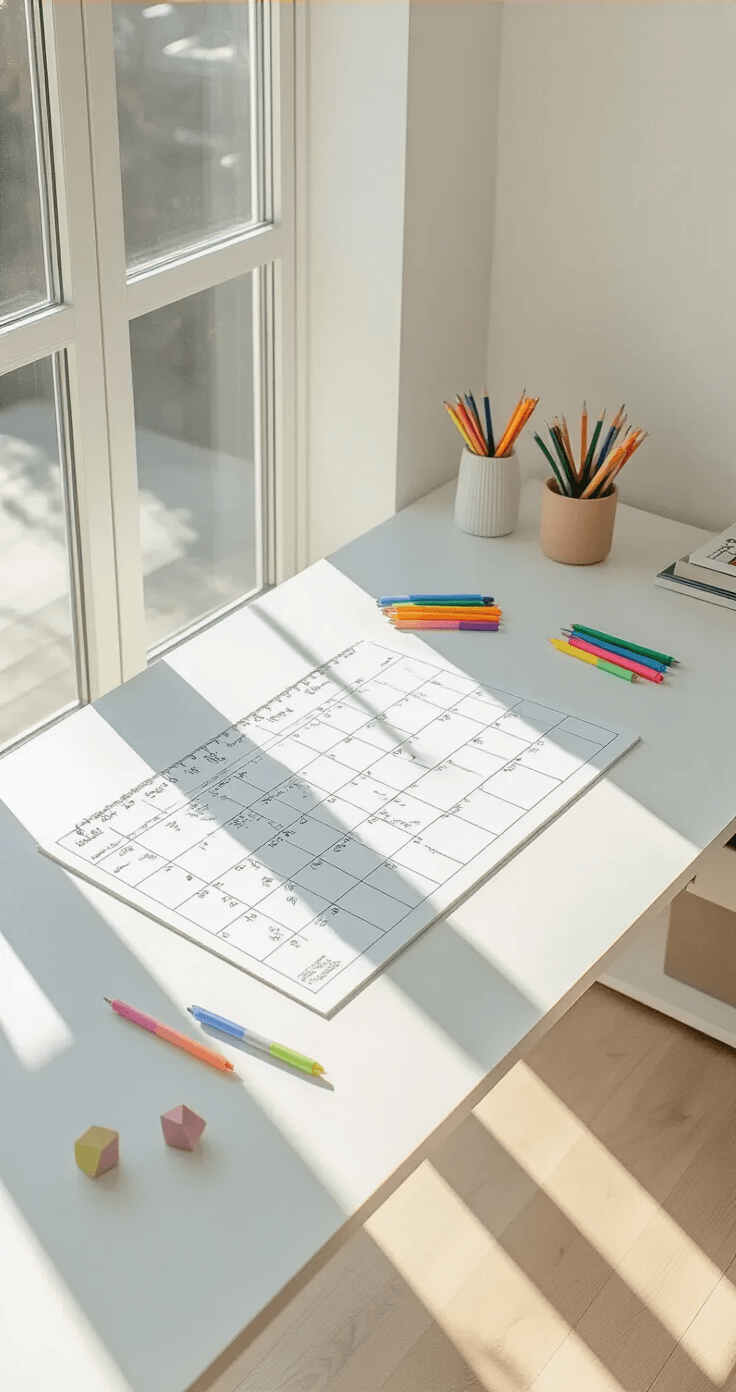
These things cover half your workspace and let you scribble reminders, doodles, and random thoughts right on the calendar itself.
My designer friend swears by hers because she sketches project timelines directly onto the surface with colored gel pens.
Easel desk calendars stand upright at eye level.
Great if you’re short on desk real estate but still want your schedule staring you in the face.

What Happened When I Switched
The first week felt weird.
I kept reaching for my phone to check dates.
But then something clicked.
My memory actually improved.
When I wrote “dentist appointment 2pm Thursday” with my own hand, it stuck in my brain differently than tapping it into an app.
Turns out there’s actual science behind this—physical writing creates neural pathways that typing just doesn’t match.
I started remembering meetings without checking.
Tasks got done because I’d visualized them on paper that morning.
The distractions vanished.
No more falling down Instagram rabbit holes when I just wanted to know if Tuesday was free.
No notifications breaking my concentration while I’m trying to write or think through a problem.
Just me and the calendar.
Peaceful.
Focused.
Actually productive instead of performatively busy.

How I Use Mine (And You Can Steal These Ideas)
Color coding became my religion.
I bought a pack of highlighters and assigned each color a meaning:
- Yellow for work deadlines
- Pink for personal appointments
- Green for creative projects
- Blue for social plans
One glance tells me what kind of week I’m facing.
I block off thinking time.
This was huge.
I physically write “FOCUS BLOCK” across chunks of hours where I need uninterrupted work time.
It’s way harder to ignore than a digital calendar event I can just dismiss.
Stickers aren’t just for kids.
I slap a motivational sticker on days when I accomplish something significant.
Sounds cheesy, but flipping through past months and seeing those visual wins genuinely boosts my mood on rough days.
Recurring stuff gets written in advance.
Every Sunday, I spend ten minutes filling in the week’s guaranteed commitments—gym sessions, team meetings, that standing dinner with my parents.
The predictable framework makes it easier to spot opportunities for new projects or saying yes to spontaneous plans.

The Setup That Works
Don’t overthink placement.
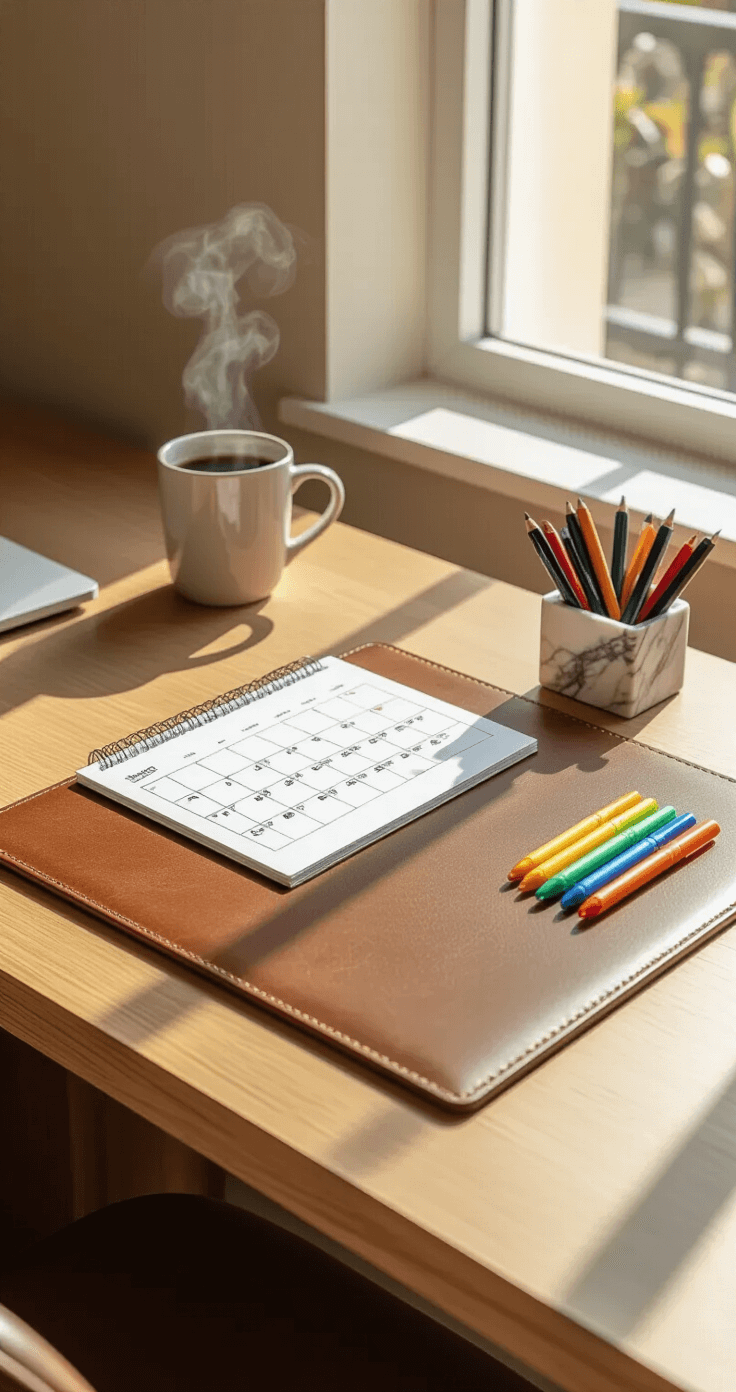
Your calendar needs to live where you’ll actually see it—not tucked behind your monitor or buried under papers.
I keep mine directly to the right of my keyboard.
Every time I sit down, it’s there.
Morning coffee in hand, I scan the day ahead before opening my laptop.
That thirty-second ritual sets my intention for everything that follows.
If you work from home like me, positioning matters even more.
Your workspace probably serves multiple purposes—I eat lunch at this same desk, pay bills here, sometimes fold laundry on it.
A desk calendar with a sturdy base survives all that chaos better than flimsy paper versions that slide around.
When Digital Still Wins
I’m not going to lie to you and say paper solves everything.
My phone calendar still holds:
- Meeting links I need to click
- Invites from other people that arrive electronically
- Reminders with specific times (my ADHD brain needs the alarm for some things)
But here’s my system: important dates live in both places.
The physical calendar is my source of truth for planning and focus.
The digital one is my backup and notification system.
They complement each other instead of competing.