This post may contain affiliate links. Please see my disclosure policy for details.
Bedroom Desk Layout Ideas: Creating Your Perfect Work-Sleep Balance
Contents
Bedroom desk layout ideas start with one brutal truth I learned the hard way: shove a desk next to your bed, and you’ll either never sleep properly or never work effectively.
I spent six months waking up to a laptop screen two feet from my pillow, and let me tell you, my brain refused to understand when work ended and sleep began.
Your bedroom deserves better planning than that.
Why Your Desk Placement Actually Matters (More Than You Think)
Look, I get it. You need a workspace, your bedroom has space, so you squeeze a desk wherever it fits.
But here’s what nobody tells you: where you put that desk will determine whether you get restful sleep or spend nights staring at unfinished projects.
Your brain creates associations. Bed equals sleep. Desk equals work. When they’re crammed together, your mind gets confused, and suddenly you’re lying awake at 2 AM mentally drafting emails.
I’ve rearranged my bedroom desk three times before getting it right, and I’m going to save you that hassle.
The Golden Rule: Keep Work and Sleep Separate
Position your desk as far from your bed as physically possible.
This isn’t interior design fluff. This is about your mental health and sleep quality.
When I finally moved my desk to the opposite wall from my bed, my sleep improved within a week. No exaggeration.
For Larger Bedrooms
- Place the desk on a completely different wall
- Make it face away from the bed
- Create a visual barrier if possible (I use a bookshelf)
- Treat them as two separate rooms within one space
For Smaller Bedrooms
- Use furniture as dividers
- Position your desk behind something substantial
- Face it toward a wall, not your sleeping area
- Think vertical rather than horizontal
The Five Best Desk Positions I’ve Actually Tested
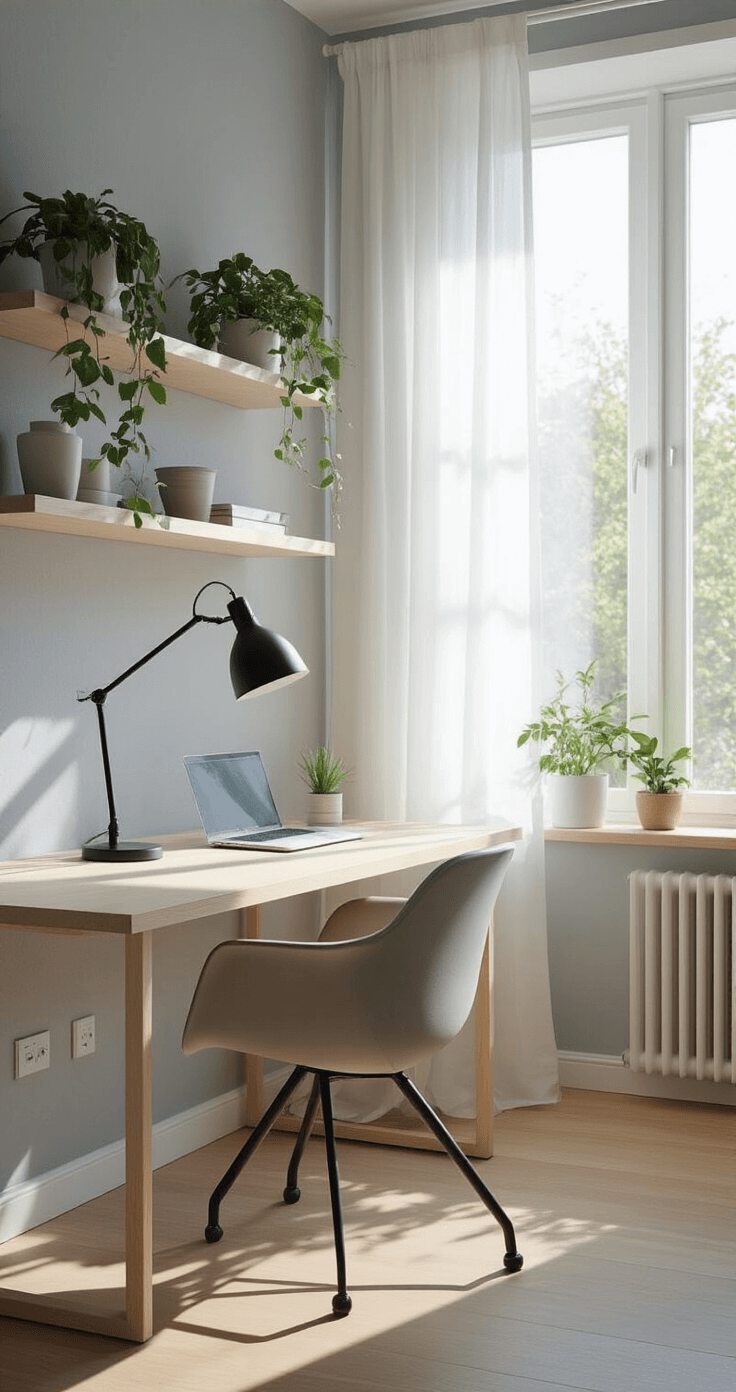
1. By the Window (My Personal Favorite)
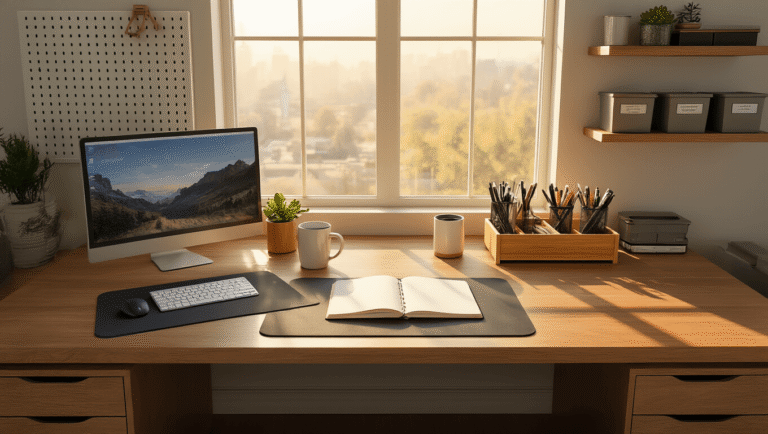
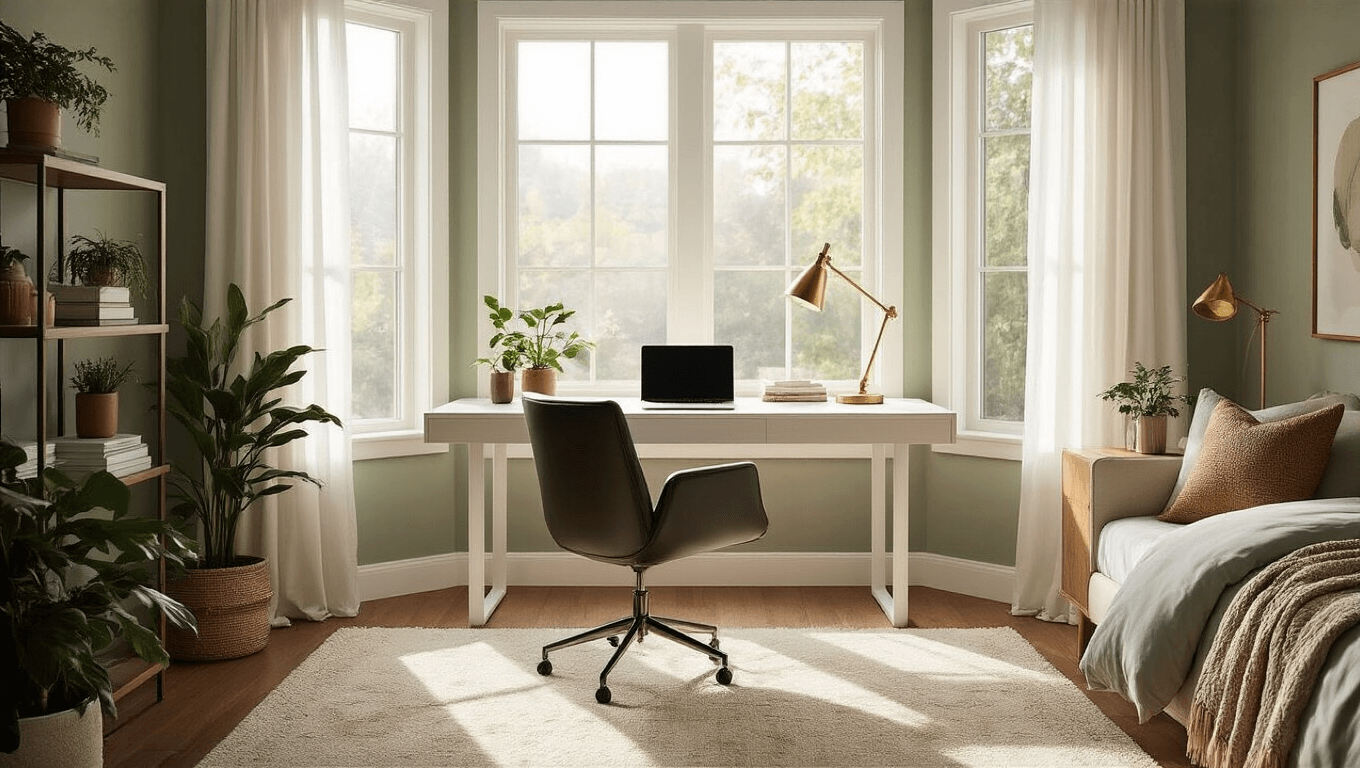
I moved my desk to face a large window last year, and honestly, it changed everything.
Natural light is non-negotiable for productivity.
When you’re working in your bedroom during the day, you need that connection to the outside world. Otherwise, you’re basically working in a cave that you also sleep in.
Benefits I noticed immediately:
- Better mood during morning work sessions
- Less eye strain (goodbye, headaches)
- Natural transition from day to night
- Plants on my desk actually survive now
Pro tip: Get blackout curtains so the window doesn’t sabotage your sleep when you’re not working.
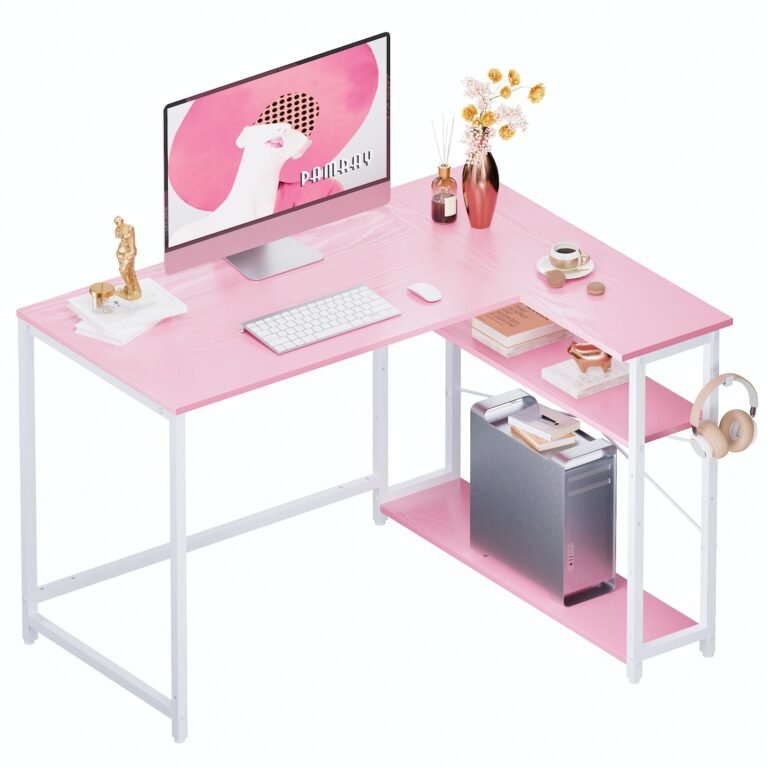
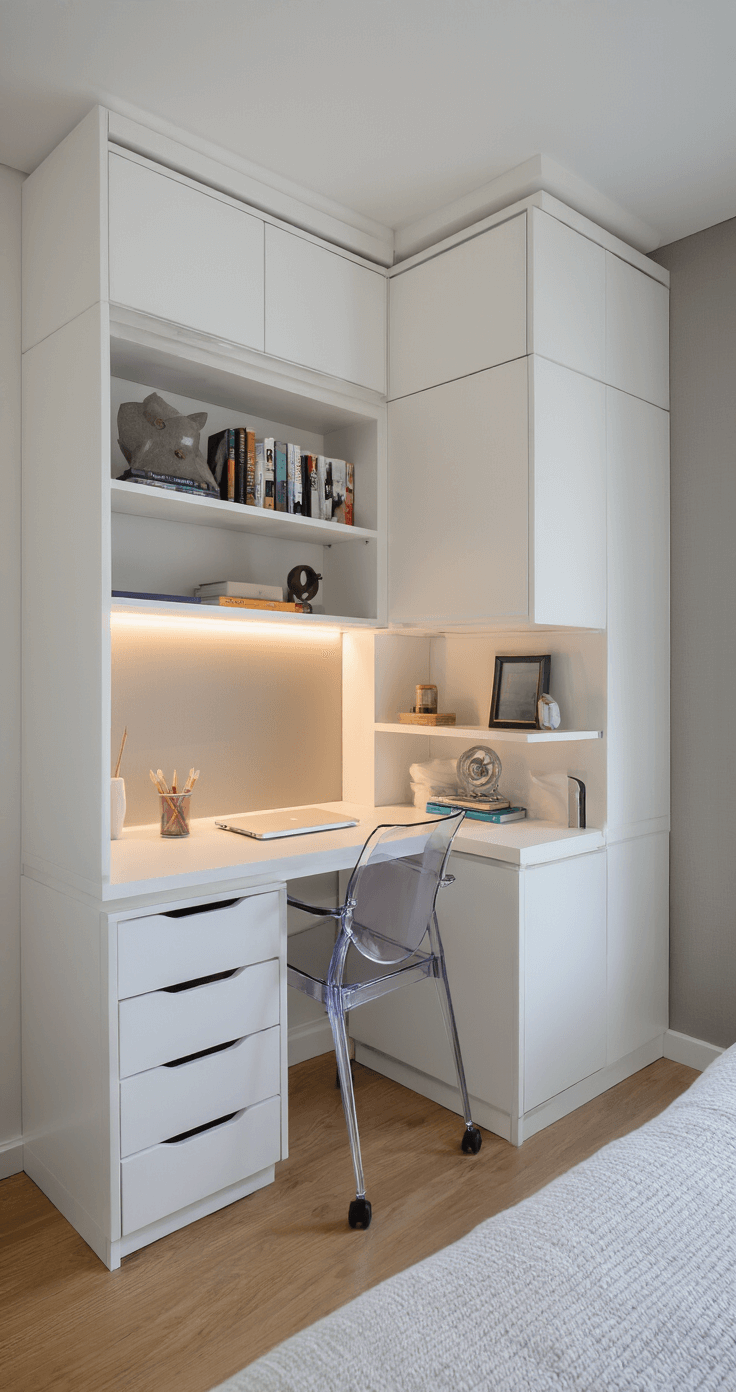
2. Tucked Into a Corner
Corners are the most underutilized real estate in any bedroom.
I set up a corner desk in my last apartment, and it felt like I gained an entire extra room.
Why corners work:
- Keeps the main floor space open
- Creates a natural “office nook” feeling
- Easy to add shelving on two walls
- Psychologically separates the workspace
The trick is facing into the corner rather than out into the room. Sounds counterintuitive, but it helps your brain switch into focus mode.
3. In an Alcove (If You’re Lucky Enough to Have One)
Alcoves are like built-in office pods.
If your bedroom has one, don’t waste it on random storage. This is prime desk territory.
I helped my sister set up her alcove desk, and we added:
- Floating shelves on both sides
- LED strip lighting overhead
- A small bulletin board
- A narrow desk that fits perfectly
Now when she sits down to work, it feels like entering a separate space. When she’s done, she literally walks away from it.
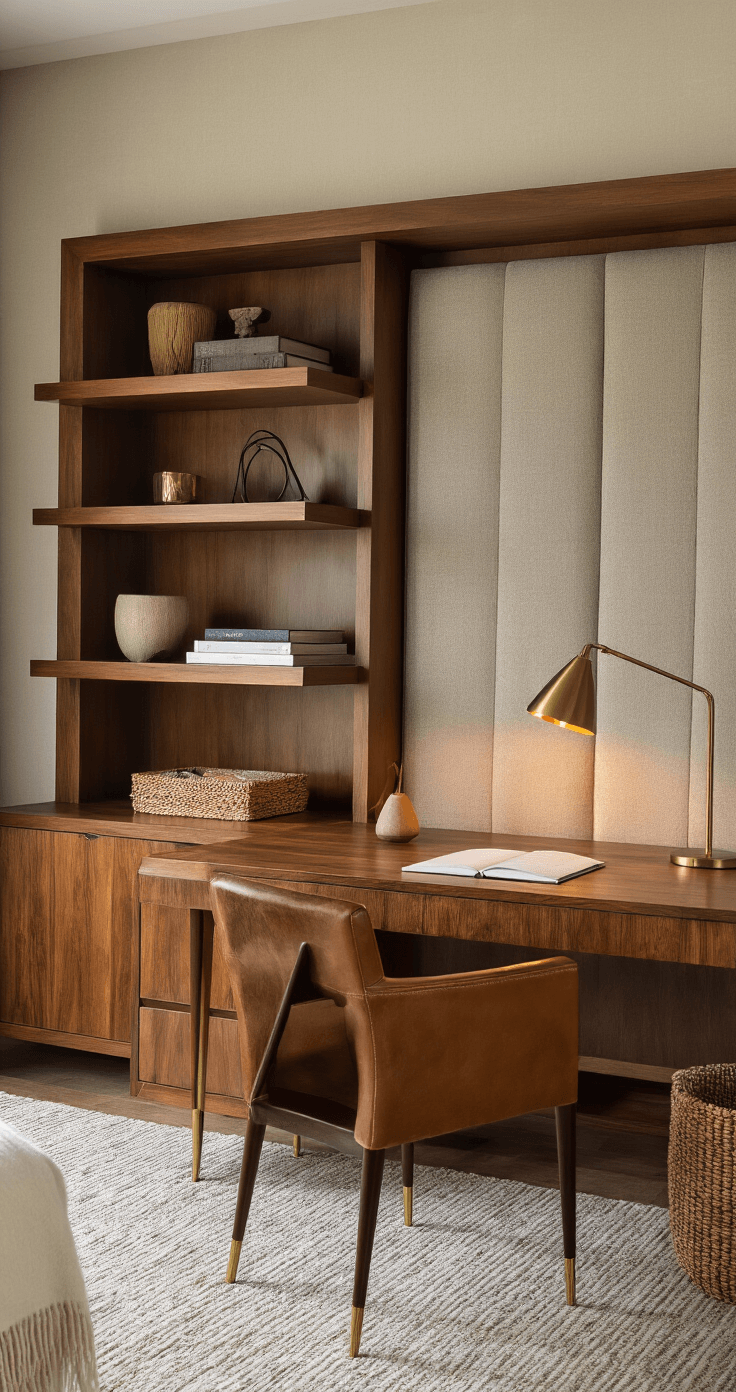
4. Between Fitted Wardrobes
This one requires either built-ins or some clever furniture arrangement, but the results are stunning.
The concept: create a desk space sandwiched between two tall storage units.
What makes this brilliant:
- Everything feels intentional, not squeezed in
- Vertical storage on both sides
- The wardrobes create natural boundaries
- Looks custom even if it’s not
I’ve seen this done with two identical tall bookcases with a desk between them, and it looked like a built-in home office.
5. Behind Your Headboard (The Bold Move)
This sounds weird until you see it.
If you have a large bedroom and a substantial headboard, you can position your bed in the center of the room with the desk behind it.
The headboard becomes your divider.
I’ve only done this once, and it required:
- A bedroom at least 14 feet in one direction
- A headboard at least 4 feet tall
- Commitment to keeping cables hidden
- Good lighting on both sides
It’s not for everyone, but when it works, it really works.
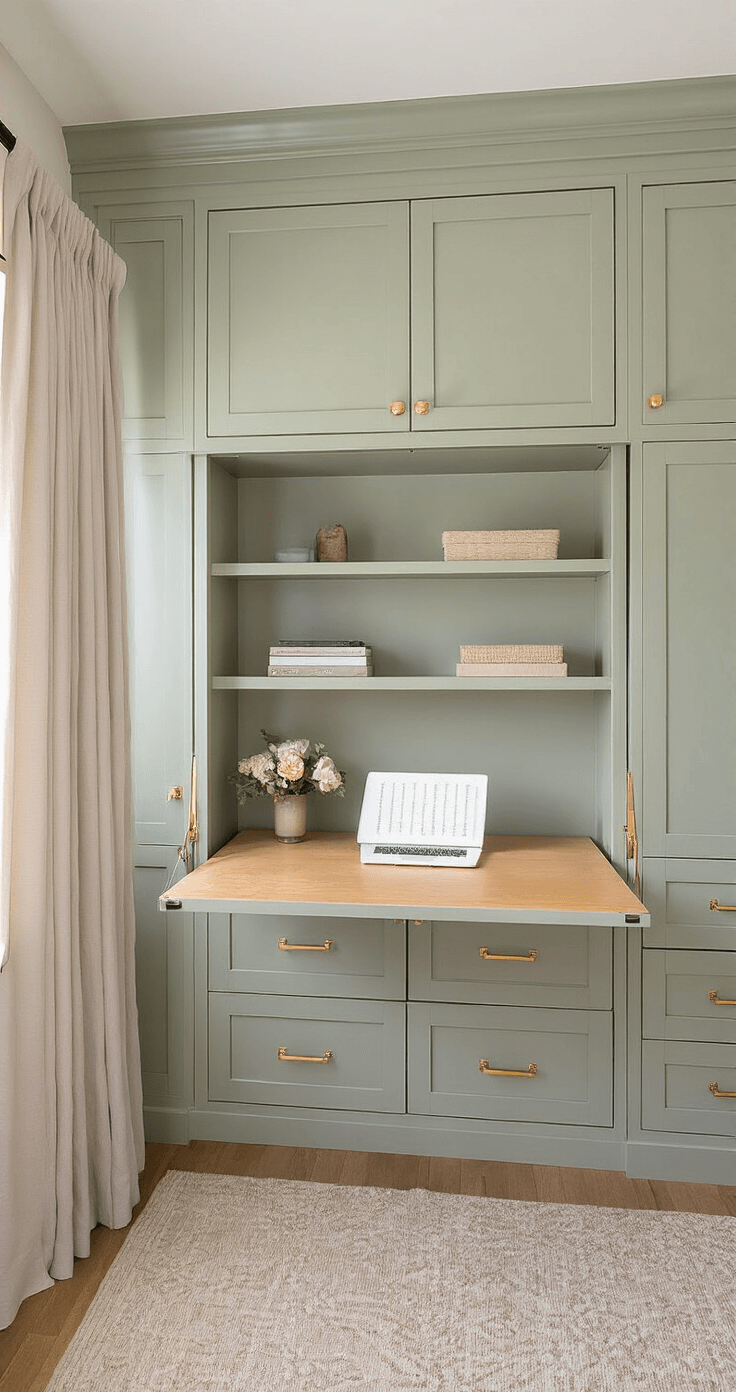
Space-Saving Desk Solutions That Don’t Suck
Small bedroom? I’ve been there, crammed into a 10×12 box trying to fit a bed, dresser, AND workspace.
These solutions actually work (I’ve tried most of them):
Floating Desks
A floating desk attached directly to your wall is magic for small spaces.
Why I love them:
- No legs taking up floor space
- Makes the room feel bigger
- Easy to clean under
- Can be installed at the perfect