
This post may contain affiliate links. Please see my disclosure policy for details.
The Foundation: Choosing Your Board Base
Contents
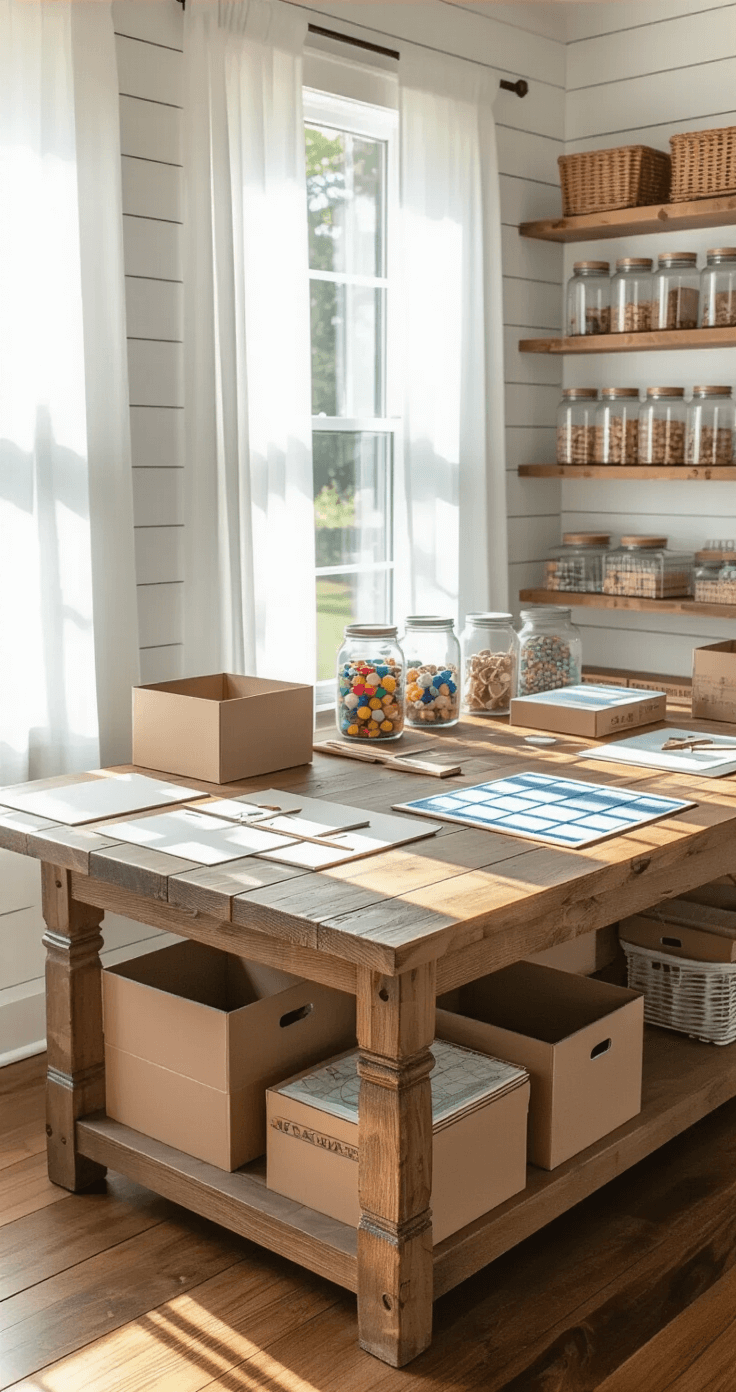
Grayboard is your best friend here.
This pressed paper material, typically 1.5-3.0mm thick, remains the gold standard for game boards. It cuts like butter with a craft knife but won’t fall apart after your third game night.
Why grayboard rocks:
- Cuts precisely without fraying edges
- Handles repeated folding without cracking
- Takes glue and paint beautifully
- Professional feel without professional prices
Can’t find grayboard? No worries.
Raid your recycling bin instead.
Those sturdy delivery boxes work brilliantly for prototype boards. I’ve made some of my favorite games using nothing but Amazon packaging.
Pro tip: Porridge boxes hit that sweet spot of thickness and durability. Cereal boxes are too flimsy – learned that the hard way when my board bent in half mid-game.
For simple prototypes: Basic cardstock or thick paper works perfectly fine. You’re testing gameplay, not building an heirloom.
Making It Pretty: Board Surface Options
Raw cardboard looks, well, like garbage.
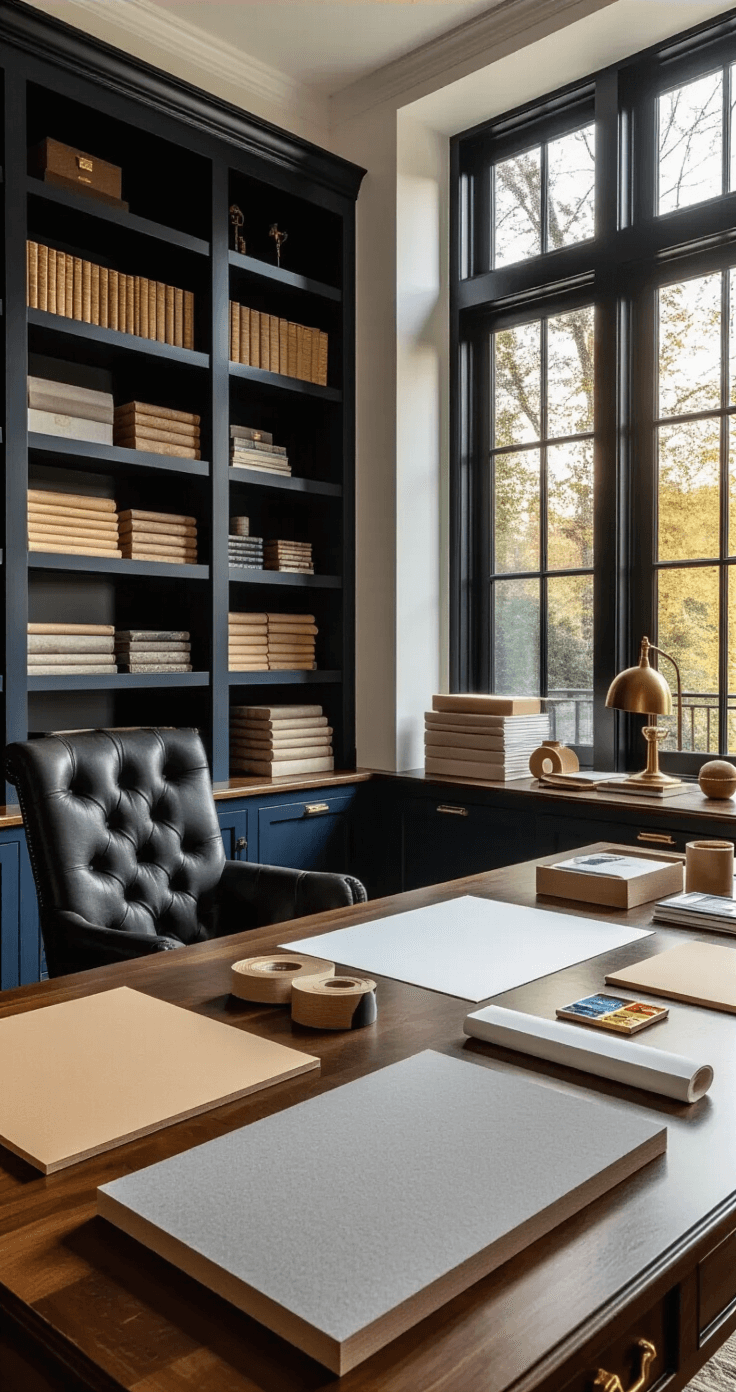
Wrap that board like a present.
I use 157 gsm art paper for most of my boards. It prints beautifully and gives you that smooth, professional finish. 120 gsm textured paper adds a nice tactile element if you’re feeling fancy.
Contact paper saves folding boards.
Nothing’s more frustrating than a hinge that splits after two folds. A strip of clear contact paper along your fold line acts like reinforcement tape. Your board will fold hundreds of times without issues.
Game Pieces That Don’t Break the Bank
Household items are treasure.
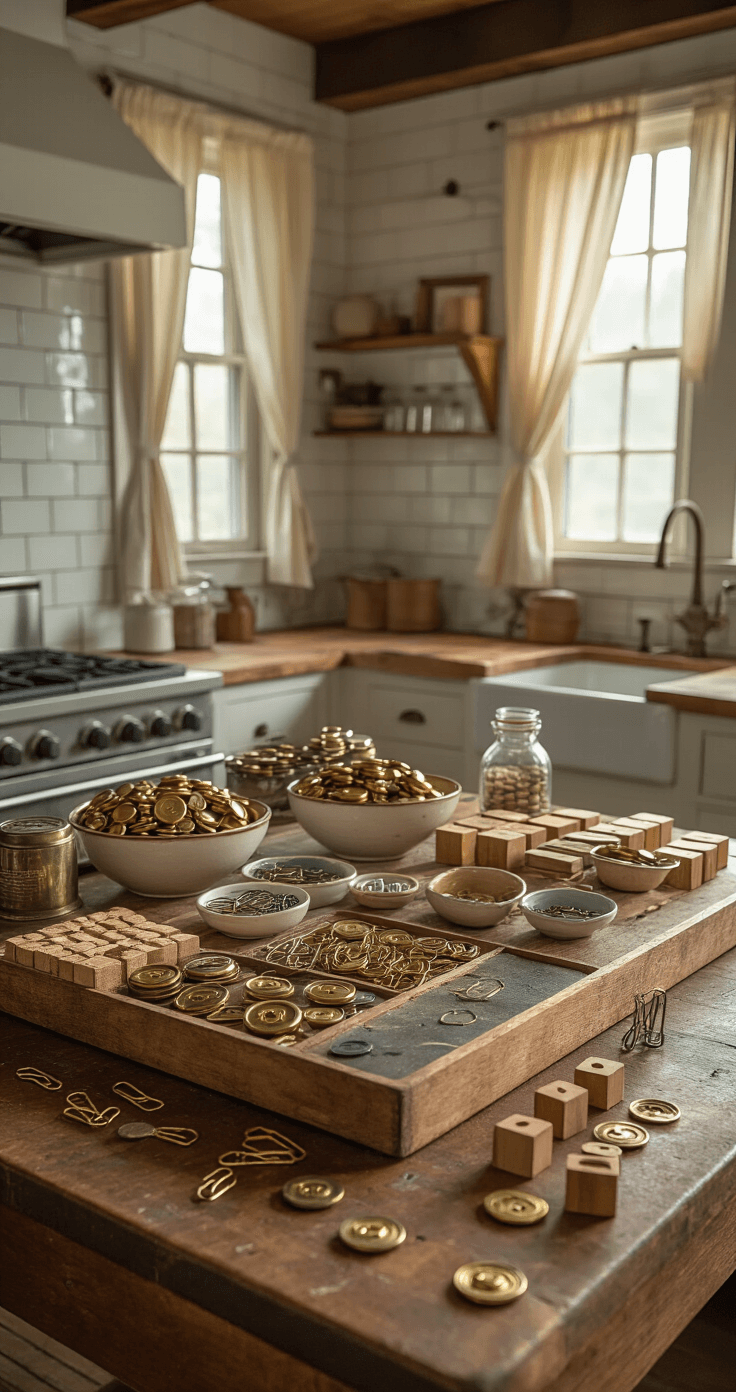
Before you spend money on fancy components, look around your house. I’ve used:
- Buttons (different colors for different players)
- Paper clips (standard size for basic pieces)
- Jumbo paper clips (perfect for upgraded pieces)
- Binder clips (excellent for resource markers)
- Coins (instant currency system)
Each player needs about 12 pieces. That’s the magic number for most board games.
Want something more substantial?
Wood feels amazing in your hands.
Pine cubes are cheap and easy to work with. You can sand them, paint them, or leave them natural. Avoid hardwoods unless you enjoy wrestling with your craft knife.
Cardboard components cost pennies.
- Tokens
- Standees
- Player screens
- Spinners
- Resource cards
Plastic tokens split the difference. More durable than cardboard, cheaper than wood. Plastic counting chips work brilliantly for currency or scoring markers.
The Dead Simple Method That Actually Works
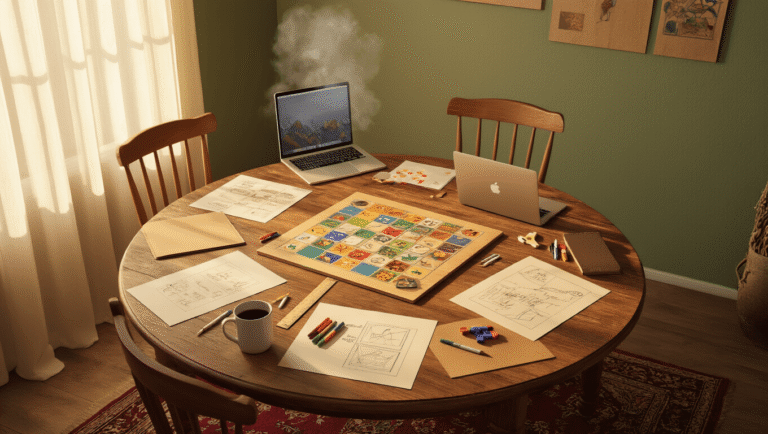
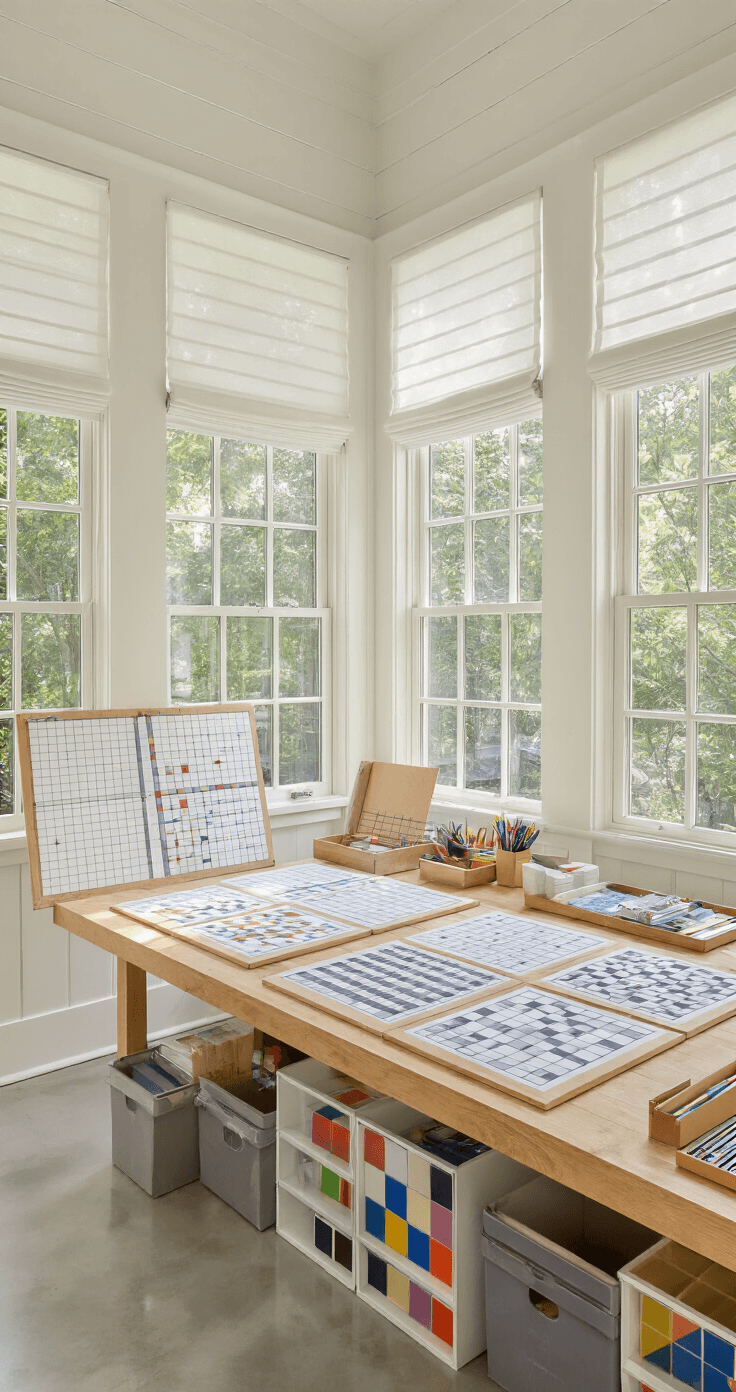
Start with a 1-inch grid.
Draw lines one inch apart on your board base. This gives you clean, proportional squares that work for countless game types.
64 squares = chess-sized board.
100 squares = more complex strategy games.
Color alternating squares.
Solid colors work fine, but patterns add personality:
- Diagonal stripes
- Dots
- Checkerboard
- Color gradients
Your supply list:
- Cardstock or poster board
- Colored markers or pencils
- Ruler
- Scissors
- Printer (optional)
That’s it. Seriously.
My Biggest DIY Disasters (So You Don’t Repeat Them)
The Great Cardboard Catastrophe of 2019:
I tried making an elaborate 3D board using thin cereal box cardboard. Halfway through our first game, the entire thing collapsed like a house of cards. Players were digging game pieces out of the wreckage.
Lesson: Invest in proper thickness from the start.
The Marker Mayhem:
Used water-based markers on uncoated cardboard. First spilled drink turned my beautiful board into abstract art. Not the good kind.
Lesson: Seal your surfaces or use laminating sheets for protection.
The Piece Pandemonium:
Made tiny game pieces that looked amazing but were impossible to pick up with normal human fingers. Watching grown adults struggle to grab pieces smaller than rice grains was painful.
Lesson: Function beats form every single time.
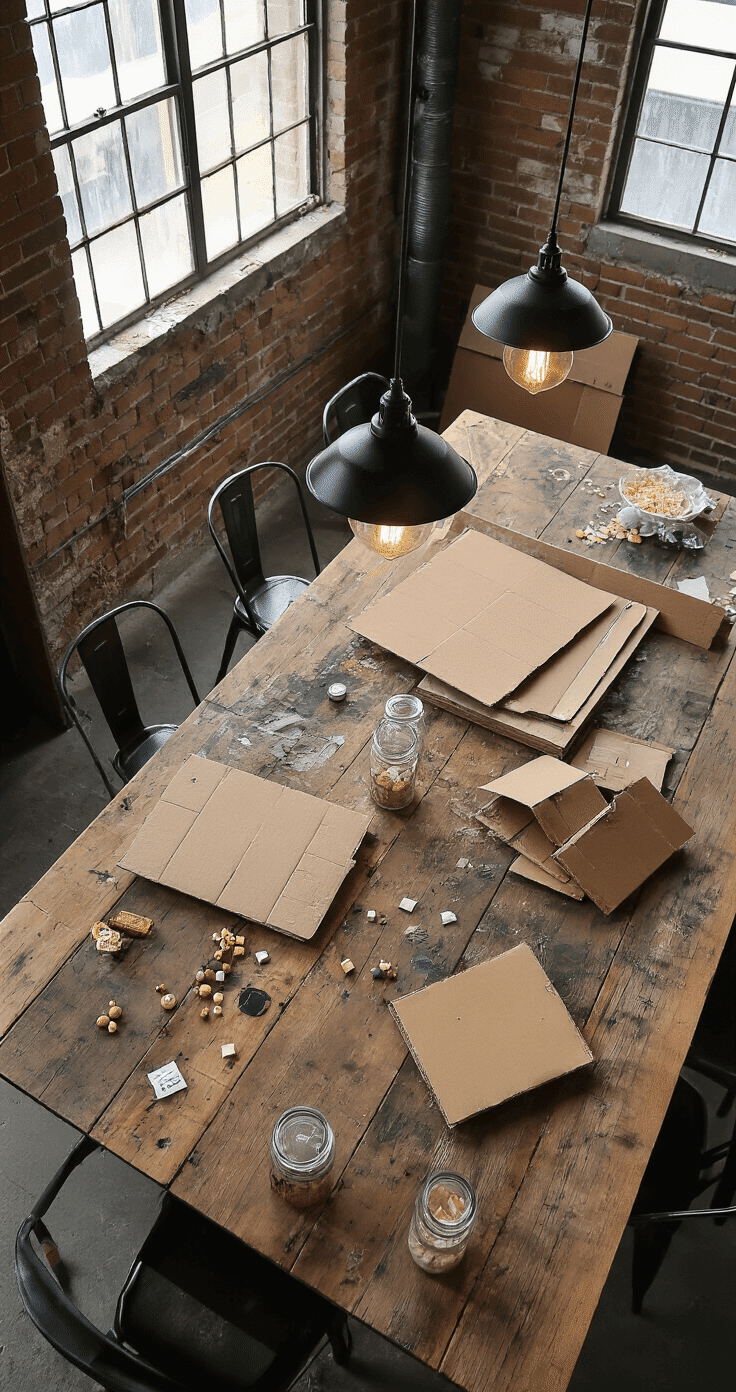
Level Up Your Components
Ready to get fancy?
Custom dice bring games to life. Blank wooden dice plus permanent markers = infinite possibilities. Create custom symbols, numbers, or colors specific to your game.
Magnetic boards change everything. Stick a sheet of thin metal under your board surface. Add small magnets to your pieces. No more “oops, I bumped the table” moments.
Felt backing prevents sliding. Nothing ruins game night like a board that won’t stay put. A sheet of craft felt glued to your board’s bottom keeps everything stable.