This post may contain affiliate links. Please see my disclosure policy for details.
Finding the Perfect Desk: Your Complete Guide to Choosing a Workspace That Actually Works
Contents
- Finding the Perfect Desk: Your Complete Guide to Choosing a Workspace That Actually Works
- Why Your Desk Choice Matters More Than You Think
- Desk Types That’ll Transform Your Work Life
- Materials That Matter: Choosing What Lasts
- Getting the Dimensions Right: Size Matters
- Storage Solutions That Actually Organize
Every morning, I stare at my cluttered workspace and wonder how something as simple as choosing a desk became so complicated.
You’re probably dealing with the same frustration right now. Your current setup makes your back ache, your papers disappear into chaos, and your productivity plummets faster than a lead balloon.
I’ve been through this dance more times than I care to admit. Five moves, three home offices, and countless hours spent hunched over surfaces that were never meant for serious work.
Why Your Desk Choice Matters More Than You Think
Here’s the brutal truth: most people treat desk shopping like buying a houseplant. They grab whatever looks decent and hope for the best.
Your desk isn’t just furniture – it’s your productivity headquarters.
I learned this lesson the hard way when I spent two years working from a wobbly dining table. My neck felt like concrete, my papers lived in permanent chaos, and my motivation died a slow death.
The moment I invested in a proper workspace, everything changed. Suddenly, I could focus for hours without feeling like I’d been hit by a truck.
Desk Types That’ll Transform Your Work Life
Computer Desks: Built for the Digital Age
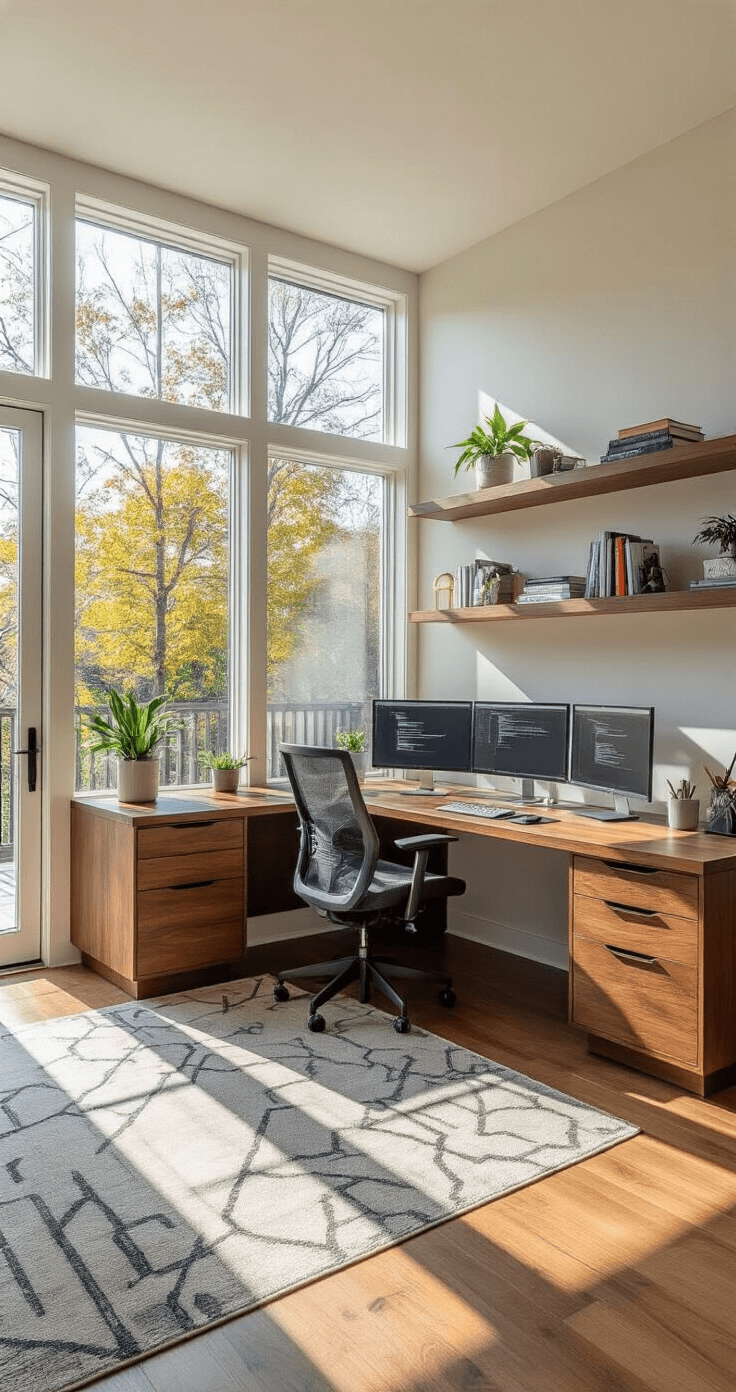
If you spend most of your time staring at screens, a computer desk designed specifically for technology makes all the difference.
Key features to look for:
- Cable management systems that actually work
- Keyboard trays at the right height
- Monitor stands or built-in risers
- Ventilation for your equipment
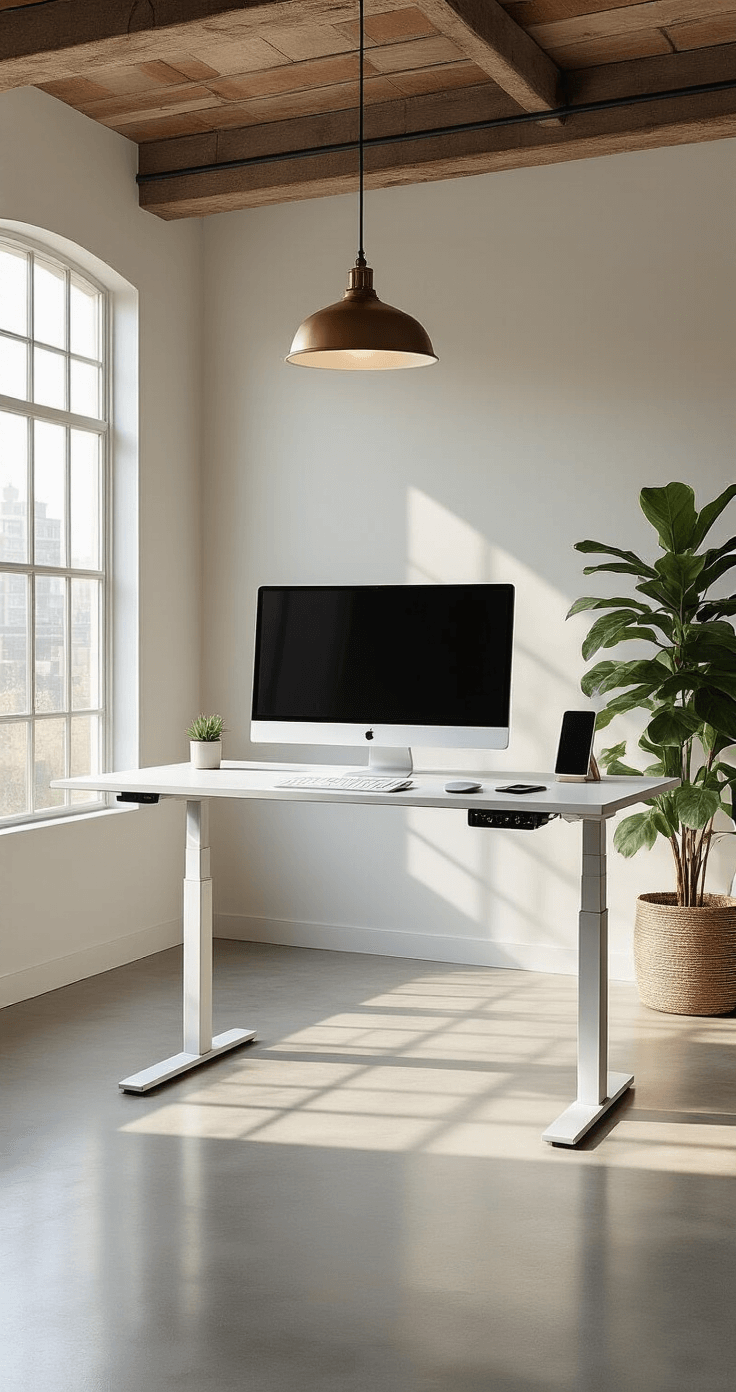
Standing Desks: Your Back Will Thank You
I was skeptical about standing desks until my physiotherapist threatened to ban me from chairs permanently.
Game-changing benefits:
- Reduces back strain dramatically
- Boosts energy levels throughout the day
- Improves posture without constant reminding yourself
- Burns more calories than sitting (bonus!)
A quality adjustable standing desk lets you switch between sitting and standing throughout the day. Your body craves variety, and your productivity will skyrocket.
L-Shaped Desks: Maximum Space, Minimum Footprint
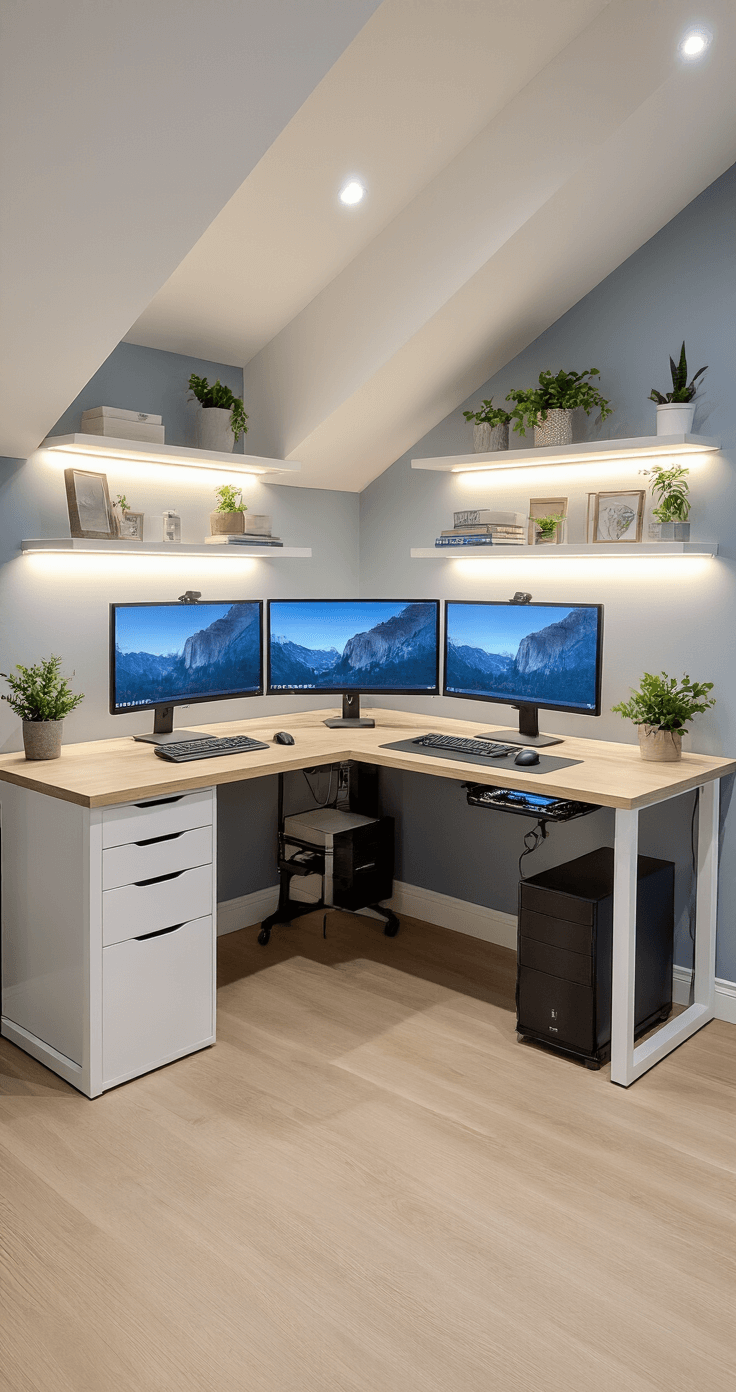
Corner spaces used to be dead zones in my office. Then I discovered L-shaped desks and suddenly had room for everything.
Perfect for:
- Multi-monitor setups
- Separating computer work from paperwork
- Creating distinct zones in small spaces
- Maximizing awkward room layouts
Executive Desks: When You Need to Mean Business
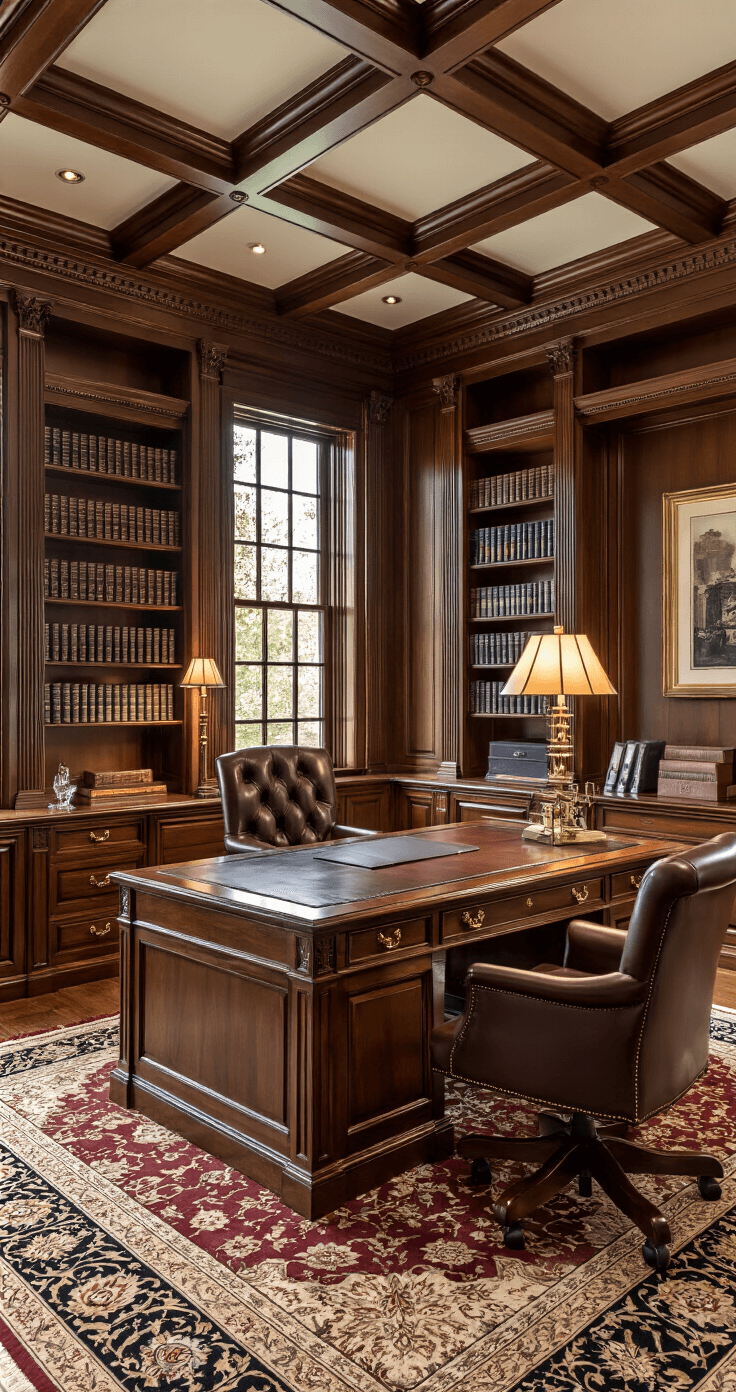
Sometimes you need a desk that commands respect. Executive desks aren’t just about looking important – they offer serious storage and workspace.
Ideal situations:
- Client meetings in your home office
- Managing multiple projects simultaneously
- Storing important documents securely
- Creating a professional backdrop for video calls
Materials That Matter: Choosing What Lasts
Solid Wood: The Investment Piece
Real wood desks age like fine wine. I’ve had my oak desk for eight years, and it still looks better than most furniture store displays.
Pros:
- Incredibly durable
- Improves with age
- Easy to repair scratches
- Timeless aesthetic
Cons:
- Higher upfront cost
- Heavier to move
- Requires occasional maintenance
Metal: Industrial Strength Meets Modern Style
Metal desks handle abuse like champions. Perfect if you’re rough on furniture or need something that’ll survive multiple moves.
Glass: Sleek but High-Maintenance
Glass desks look stunning in the right space. Just know that every fingerprint, dust speck, and coffee ring becomes a personal enemy.
Getting the Dimensions Right: Size Matters
Most people guess at desk dimensions and regret it immediately.
Standard desk measurements:
- Width: 48-72 inches (4-6 feet)
- Depth: 24-30 inches (2-2.5 feet)
- Height: 29-30 inches
Measure these before shopping:
- Your available floor space
- The height from floor to your elbows when seated
- Width needed for your monitor setup
- Depth required for comfortable leg room
I made the mistake of buying a desk that looked perfect online but barely fit through my doorway. Learn from my expensive lesson.
Storage Solutions That Actually Organize
Built-in Drawers: Keep Chaos at Bay
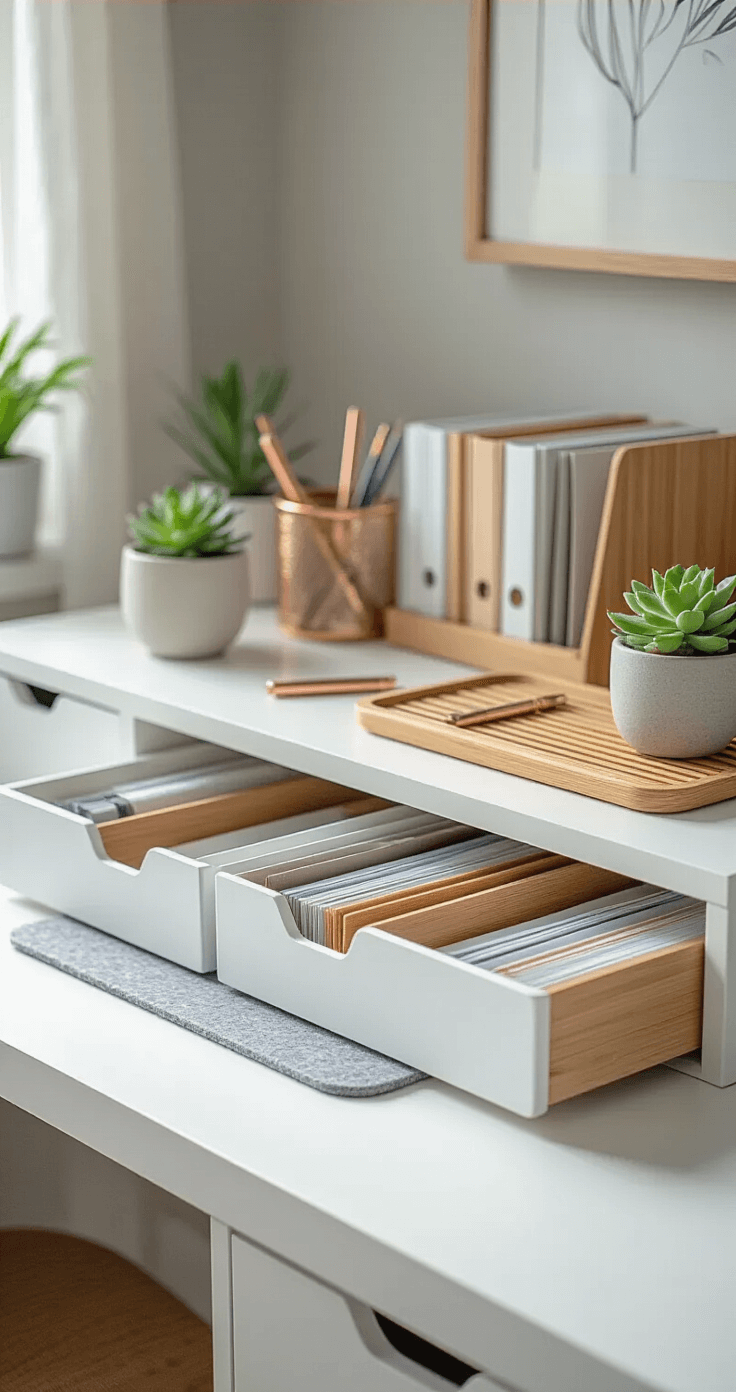
A desk with drawers transforms scattered supplies into organized systems.
Essential drawer features:
- Deep enough for hanging files
- Smooth-sliding mechanisms
- Locks for sensitive documents
- Dividers for small items
Shelving and Hutches: Vertical Storage Champions
When desk space runs out, think vertical. Hutches and shelving units double your storage without eating floor space.
Cable Management: Taming the Wire Monster
Nothing