
This post may contain affiliate links. Please see my disclosure policy for details.
The Desk Setup Aesthetic That Actually Makes You Want to Work
Contents
Desk setup aesthetic has become my obsession, and honestly, I’m not even embarrassed about it anymore.
I used to think my workspace just needed to be “functional enough,” but after spending countless hours staring at a cluttered mess of tangled cables and mismatched furniture, I realized something important.
Your desk aesthetic isn’t just about looking good on Instagram—it’s about creating a space where your brain actually wants to show up and do the work.
So let me walk you through exactly what I’ve learned about building a desk setup that’s both beautiful and brutally effective.
Why Your Current Desk Probably Looks Like Chaos
Here’s the thing nobody tells you about desk aesthetics.
Most people fail at this because they start buying stuff before they understand the actual principles.
They grab a cool lamp here, a trendy organizer there, maybe throw in some plants, and wonder why everything still looks like a garage sale exploded.
I made every single one of these mistakes, so you don’t have to.
The real secret? Start with restraint, not accumulation.
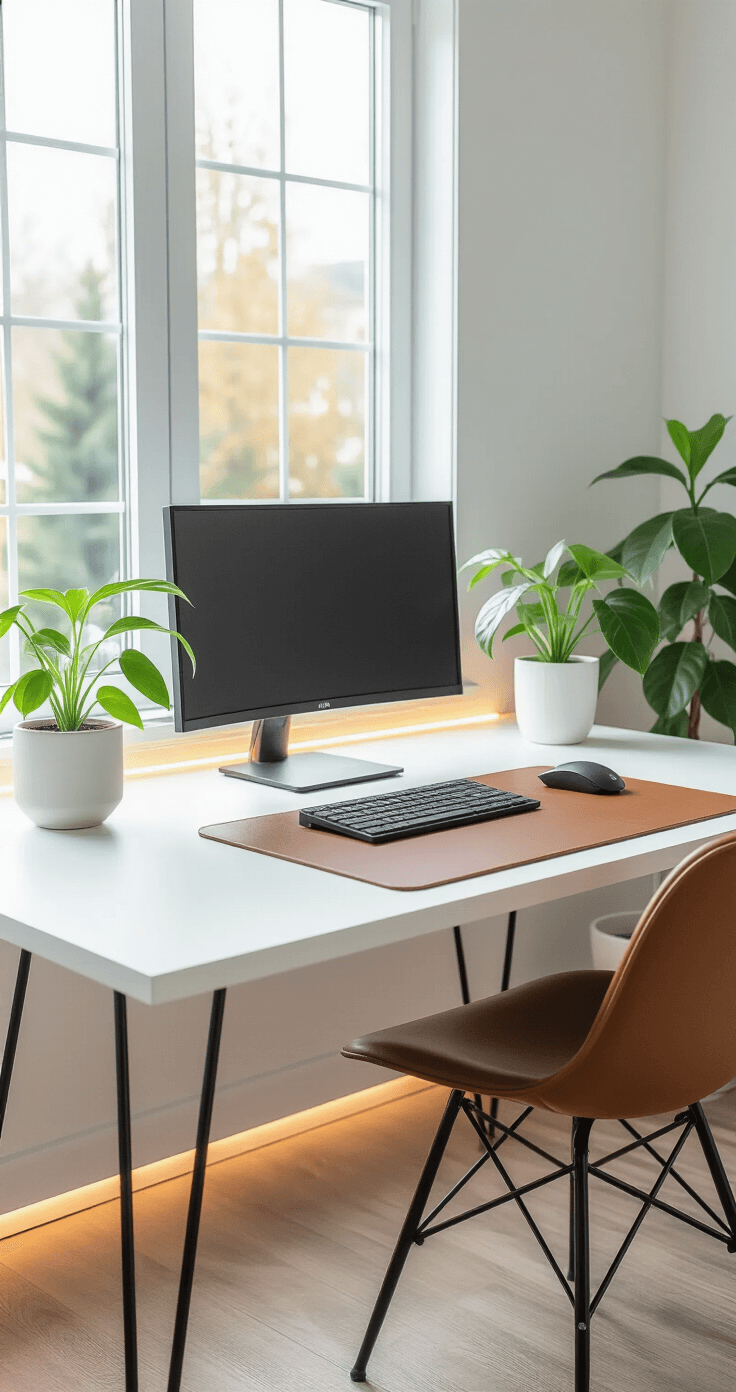
The Foundation: Picking Your Aesthetic Direction
Before you buy anything—and I mean anything—you need to decide what vibe you’re actually going for.
I learned this the hard way after wasting money on accessories that clashed with each other.
Here are the main aesthetic directions that actually work:
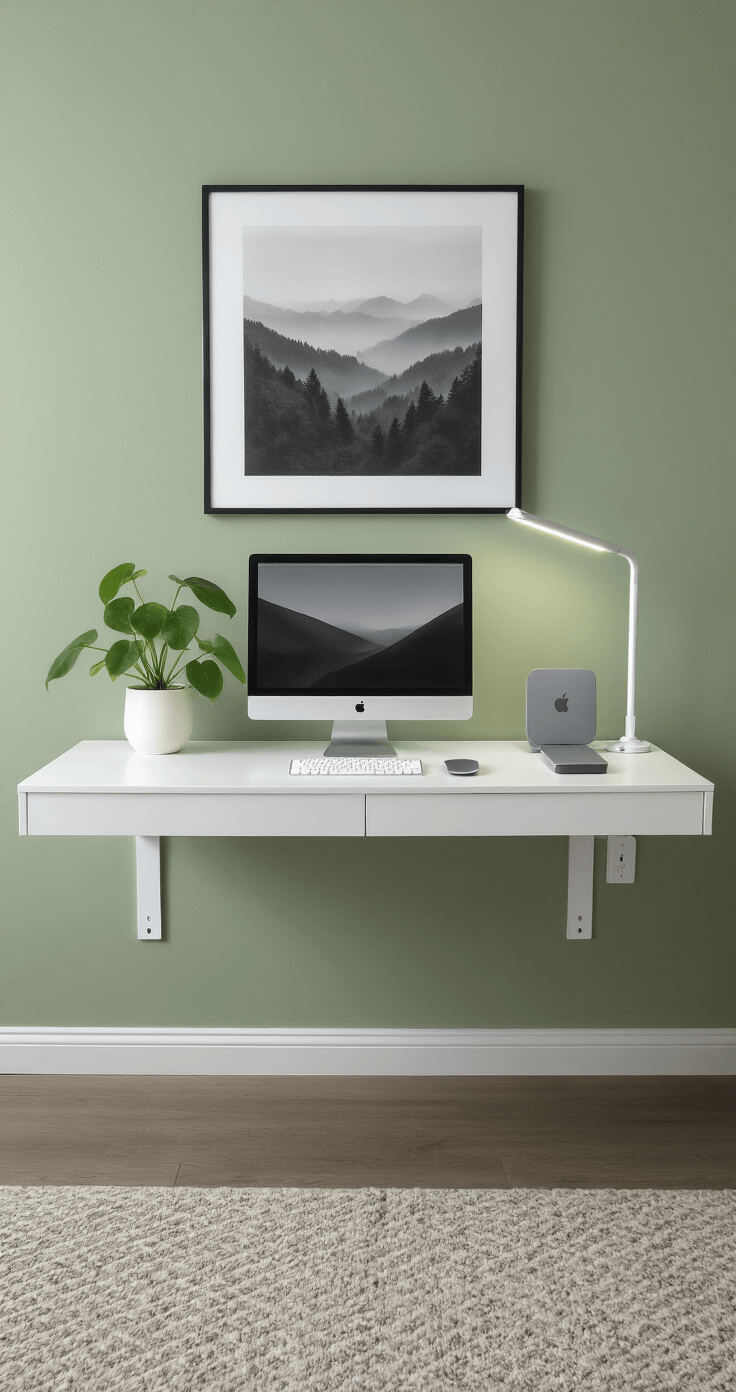
Minimalist Modern
- Clean lines everywhere
- Maximum two to three colors
- Almost nothing on the desk surface
- Tech that disappears into the background
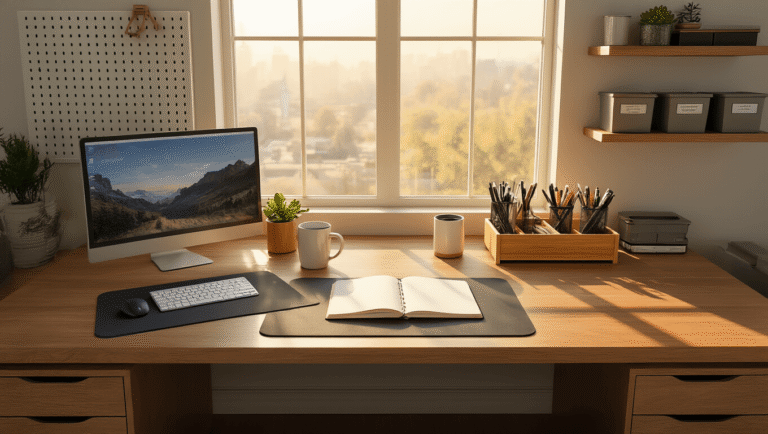
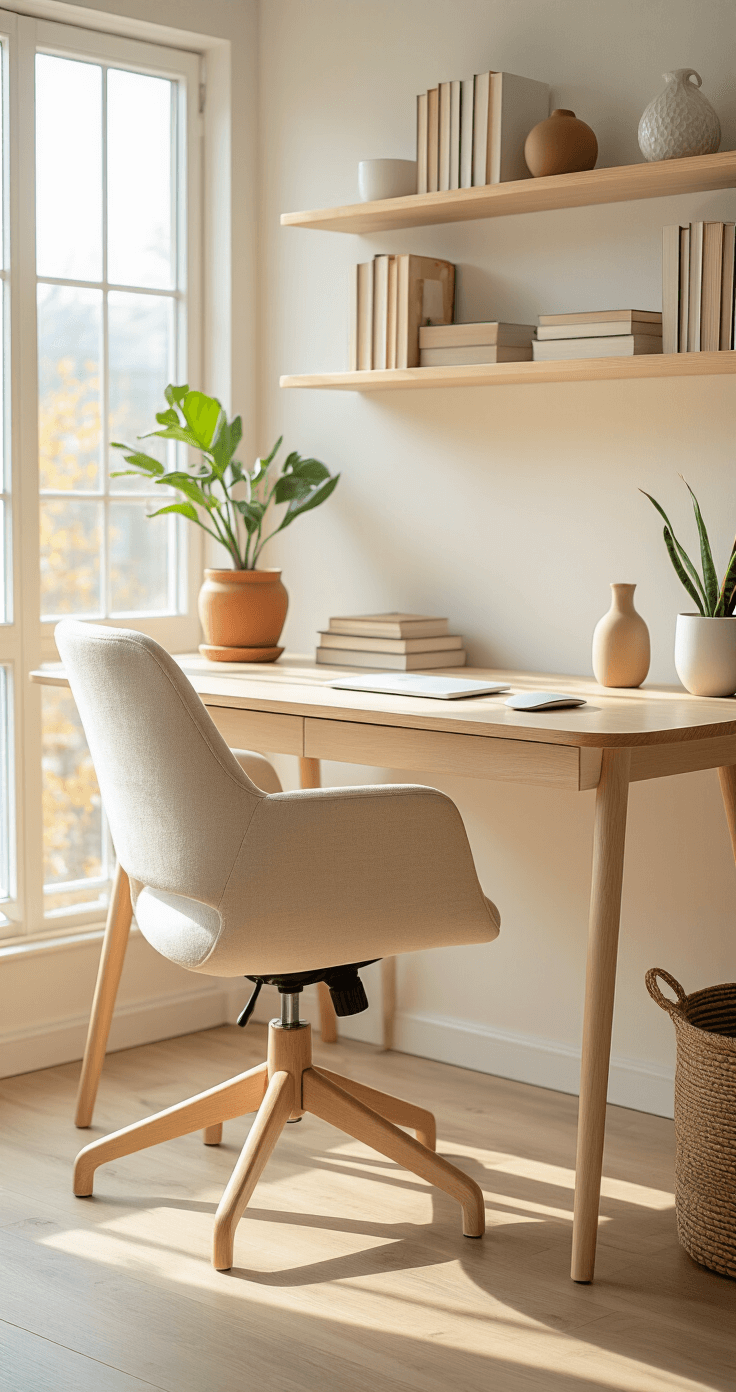
Warm Scandinavian
- Light wood tones (think birch or ash)
- White and cream colors
- Natural textures
- Cozy without being cluttered
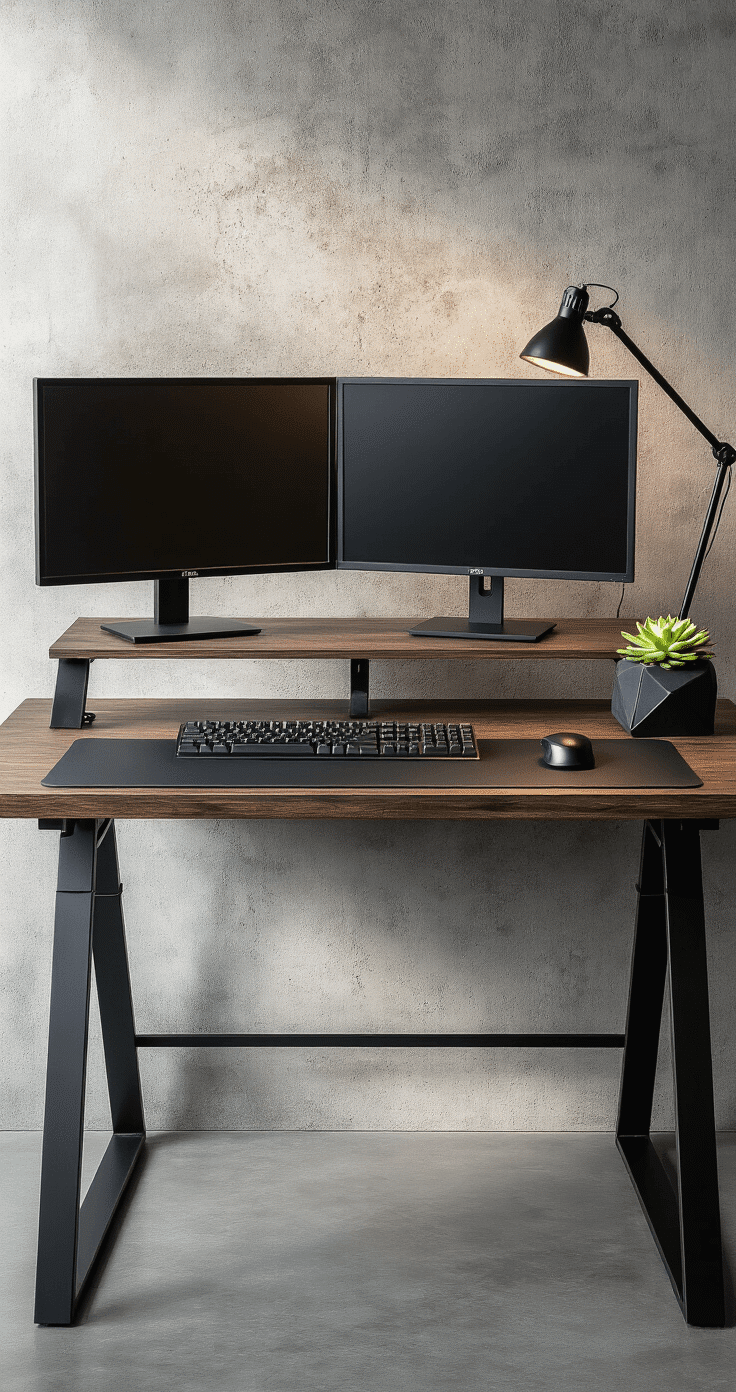
Industrial Professional
- Matte black and dark wood
- Metal accents
- Sharp, angular furniture
- Looks like it means business
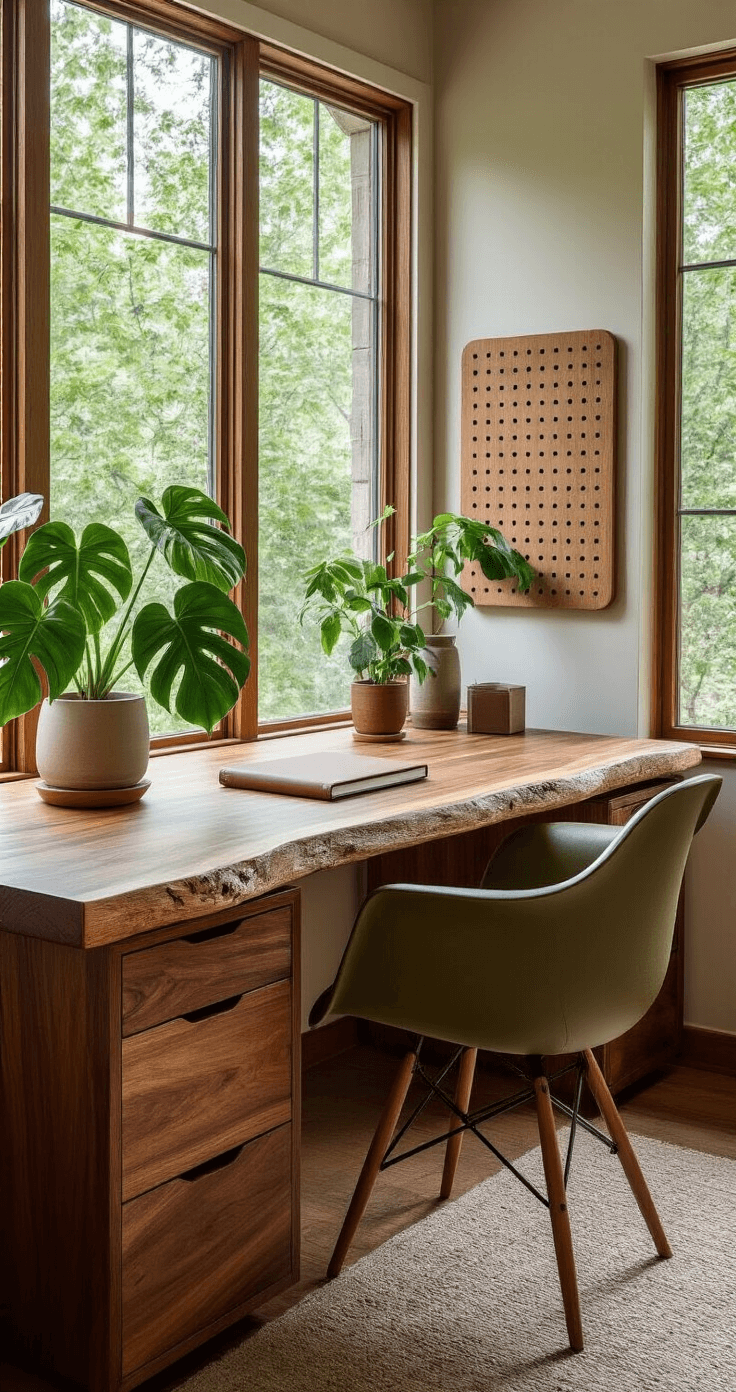
Natural Organic
- Warm wood as the star
- Earth tones and greens
- Plants (but not a jungle)
- Softer, rounded edges
Pick one. Seriously, just one. Trying to blend these creates visual confusion that’ll drive you nuts.
Color Palette: The Make-or-Break Decision
My desk looked terrible for months because I didn’t understand this simple rule: stick to two main colors plus one accent.
That’s it.
For my current setup, I went with:
- Primary: Walnut wood
- Secondary: Matte white
- Accent: Deep green (from a single plant)
This creates what designers call “visual cohesion,” which is a fancy way of saying “it doesn’t look like a toddler decorated it.”
Popular combinations that work:
- Black desk + white walls + one pop of color
- Light wood + white + warm metallics
- Dark wood + cream + black accents
- Grey + natural wood + green plants
Choose your palette before you buy a single item, and I promise your setup will look 10 times better automatically.
The Desk Itself: Your Anchor Piece
Everything revolves around your desk, so this decision matters more than you think.
I’ve tested probably six different desks, and here’s what actually matters for aesthetics:
Surface style:
- Flat, uninterrupted top (no built-in shelves or weird contours)
- Minimal hardware showing
- Clean edges, not chunky or ornate
- Size that fits your space without cramming
Material matters:
- Solid wood or quality laminate that looks like real wood
- Avoid fake-looking finishes at all costs
- Matte finishes hide fingerprints better than glossy
- Lighter woods make small spaces feel bigger
I currently use a solid wood desk with a simple rectangular shape, and it’s been the best investment I’ve made in my workspace.
Leg style options:
- Hairpin legs: minimalist and airy
- Solid wood legs: substantial and warm
- Metal A-frame: industrial and modern
- Floating: ultimate minimalist move if you can install it
The desk sets the entire tone, so don’t cheap out here.
Monitor Setup: Elevate Everything
This is where most desk aesthetics fall apart.
Monitors sitting directly on your desk create this heavy, cluttered look that kills the whole vibe.
Here’s what changed my setup completely:
I invested in a dual monitor arm, and suddenly my desk had breathing room.
The monitors float. The cables hide behind the arm. The entire surface underneath opens up.
Benefits beyond aesthetics:
- Better ergonomics (your neck will thank you)
- More usable desk space
- Cables route through the arm
- Easy to adjust throughout the day
- Creates that “professional studio” look
If you have a laptop, get a laptop stand that elevates it to eye level.
The worst aesthetic mistake I see everywhere? Hunched over a laptop sitting flat on the desk. It looks bad, feels worse, and screams “temporary setup.”