
This post may contain affiliate links. Please see my disclosure policy for details.
Floating Desks: The Wall-Mounted Workspace That’s Saving My Sanity (And My Square Footage)
Contents
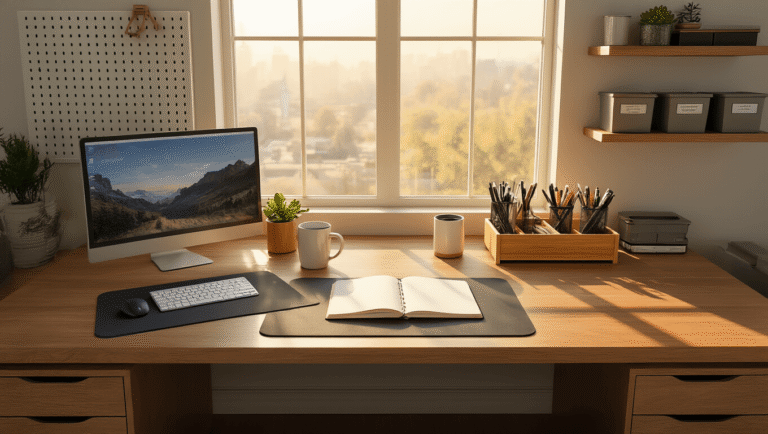
Floating desks changed everything about how I work from home, and I’m not being dramatic here.
Look, I get it. You’re staring at your cramped bedroom or that awkward corner in your living room, wondering how the hell you’re supposed to fit a proper workspace without turning your home into an office furniture showroom.
I’ve been there. My apartment looked like a tetris game gone wrong before I discovered these beauties.
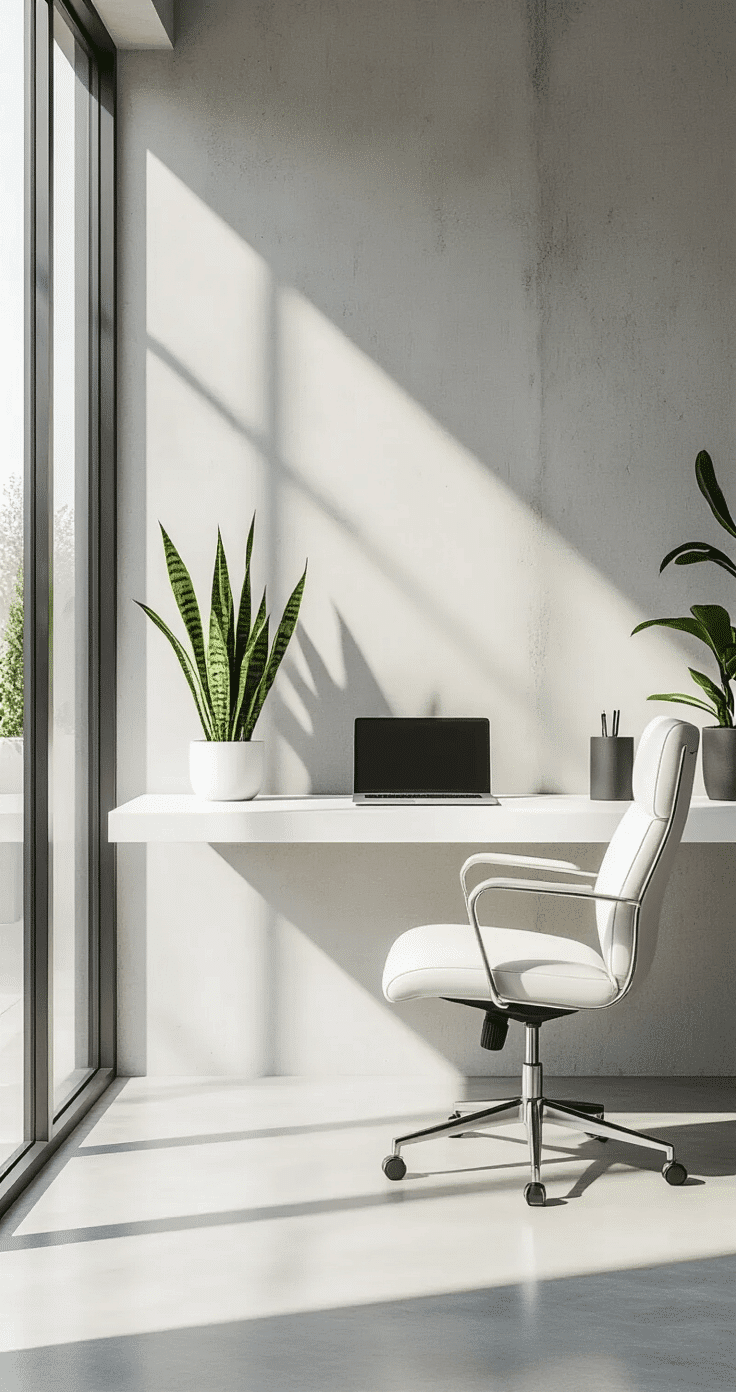
What Makes Floating Desks Different (And Why I’m Obsessed)
Here’s the deal: floating desks mount straight to your wall. No chunky legs hogging floor space. No awkward base catching your vacuum cleaner every single time.
They’re basically the Marie Kondo of furniture.
The wall does all the heavy lifting while your floor stays blissfully empty underneath. You can actually see your floor again. Revolutionary, I know.
The aesthetic is clean, modern, and doesn’t scream “I turned my bedroom into a cubicle” like traditional desks do.
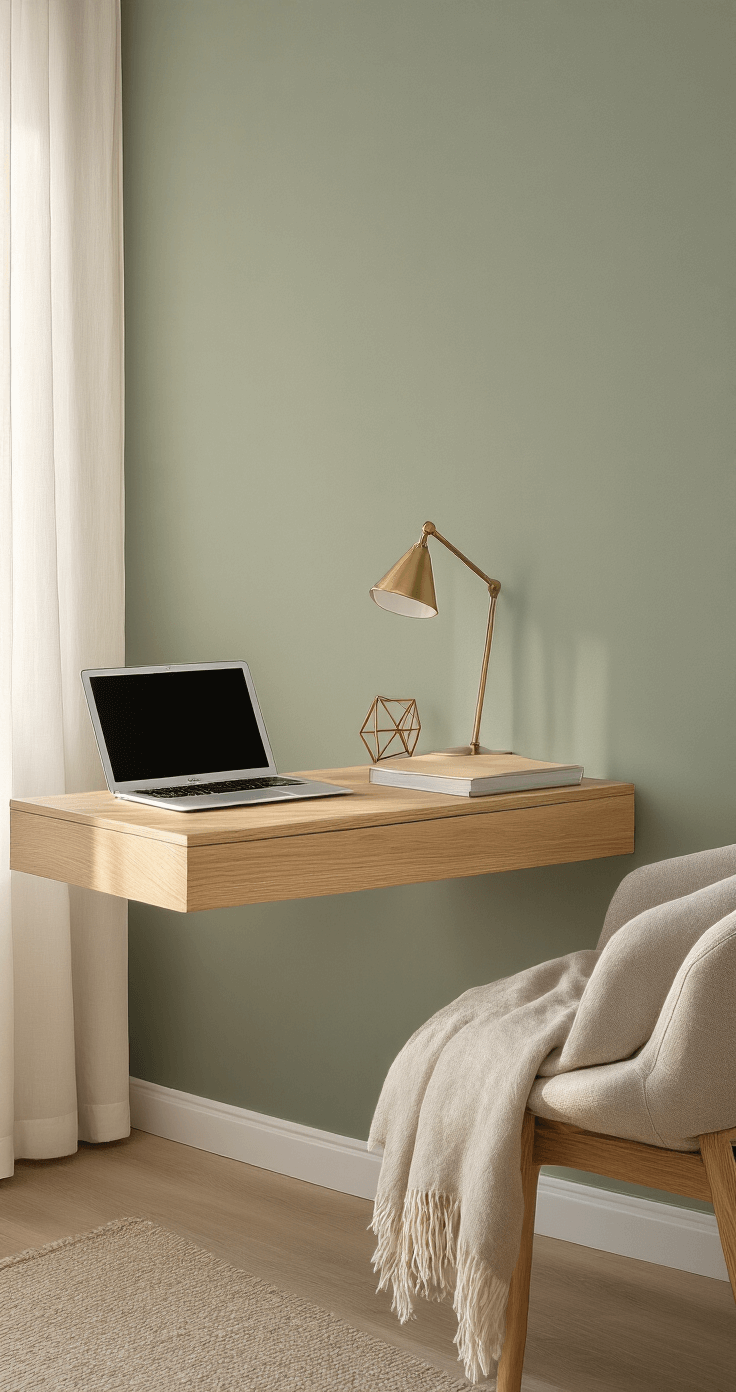
Why Your Back (And Your Brain) Will Thank You
Space-Saving Magic
I live in a shoebox apartment in the city. Every inch matters.
When I switched to a floating wall-mounted desk, I gained back nearly four square feet of floor space.
That might not sound like much, but in a tiny apartment? That’s basically a luxury penthouse upgrade.
What this means for you:
- You can fit a desk in rooms where traditional desks would look ridiculous
- Apartments and small bedrooms suddenly become viable workspaces
- You can actually walk around your room without doing that awkward sideways shuffle
- Cleaning becomes less of a furniture-moving marathon
The Mental Game-Changer
Here’s something nobody tells you about working from home: your workspace becomes a constant visual reminder that you should be working.
It sits there. Judging you. Even at 11 PM when you’re trying to watch Netflix.
I installed a wall-mounted folding desk in my bedroom, and holy hell, what a difference.
When I’m done working? I fold it up. It disappears. My bedroom becomes a bedroom again.
My brain actually knows when it’s time to stop working now. Who knew boundaries could be so simple?
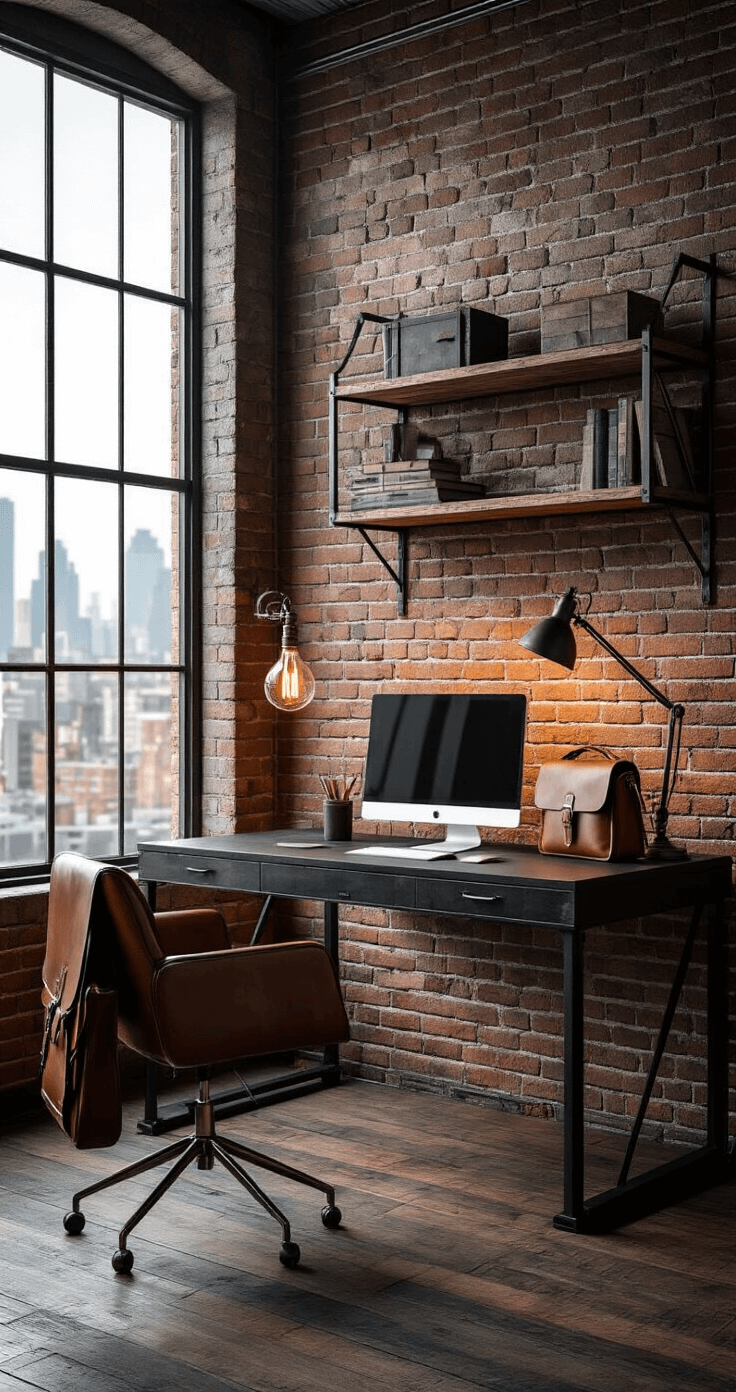
Modern Without Trying Too Hard
I’m not an interior designer. I can barely match my socks.
But floating desks make me look like I know what I’m doing.
They’re inherently sleek. The minimalist design works with basically any décor style, from industrial to Scandinavian to “I bought whatever was on sale at IKEA.”
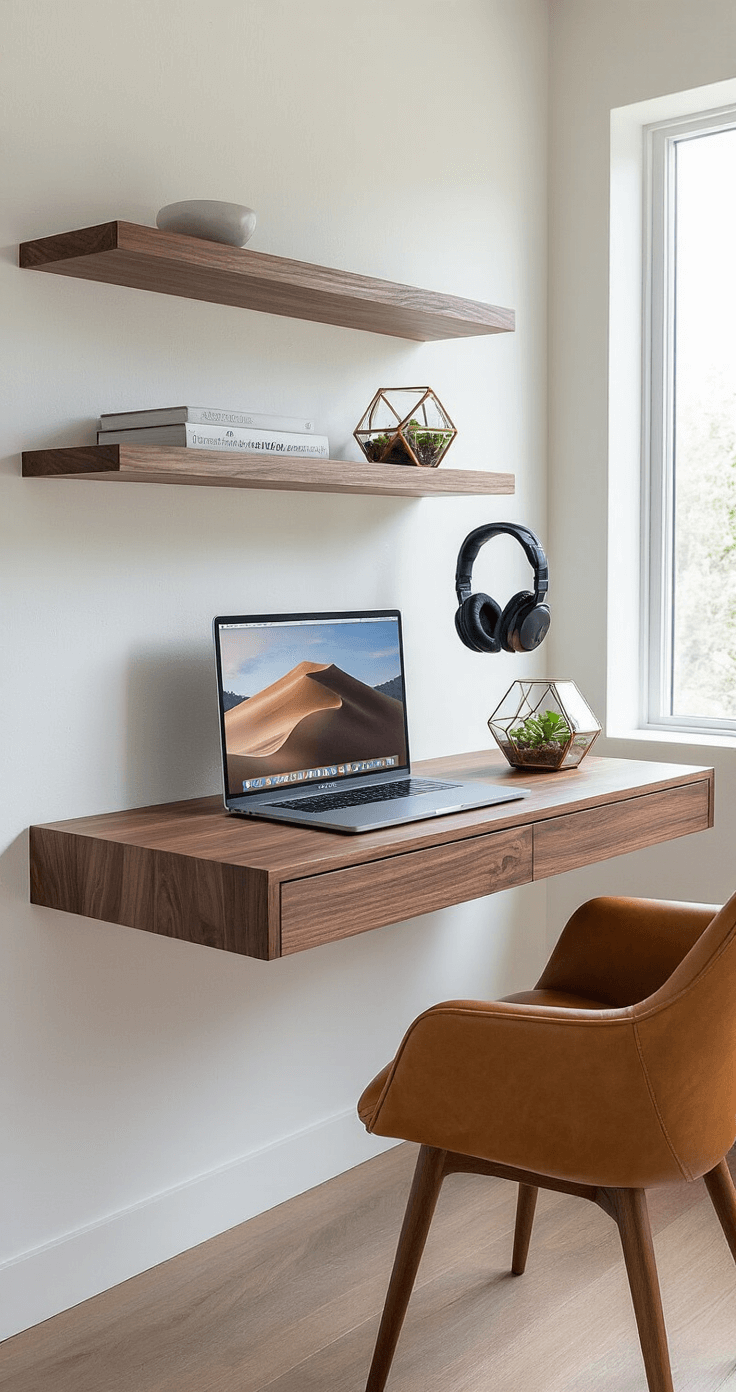
Finding Your Perfect Match
Style Choices That Actually Matter
Rectangular floating desks:
The classic option. Works for most people in most spaces. I went with this for my main workspace because I need room to spread out my laptop, coffee mug, and the seventeen notebooks I swear I’ll use someday.
Corner floating desks:
Absolute genius for awkward spaces. My friend installed one in her studio apartment’s dead corner, and suddenly she had a legit office setup where there was literally nothing before.
Materials to consider:
- Wood: Warm, classic, hides scratches better than you’d think
- Steel frames with wood tops: Industrial vibes, sturdy as hell, makes you feel like you mean business
- All-metal options: Modern, easy to clean, cold to the touch (which I actually love in summer)
Price Points (Because We’re All On Budgets Here)
Let’s talk money.
Budget tier ($36-$100):
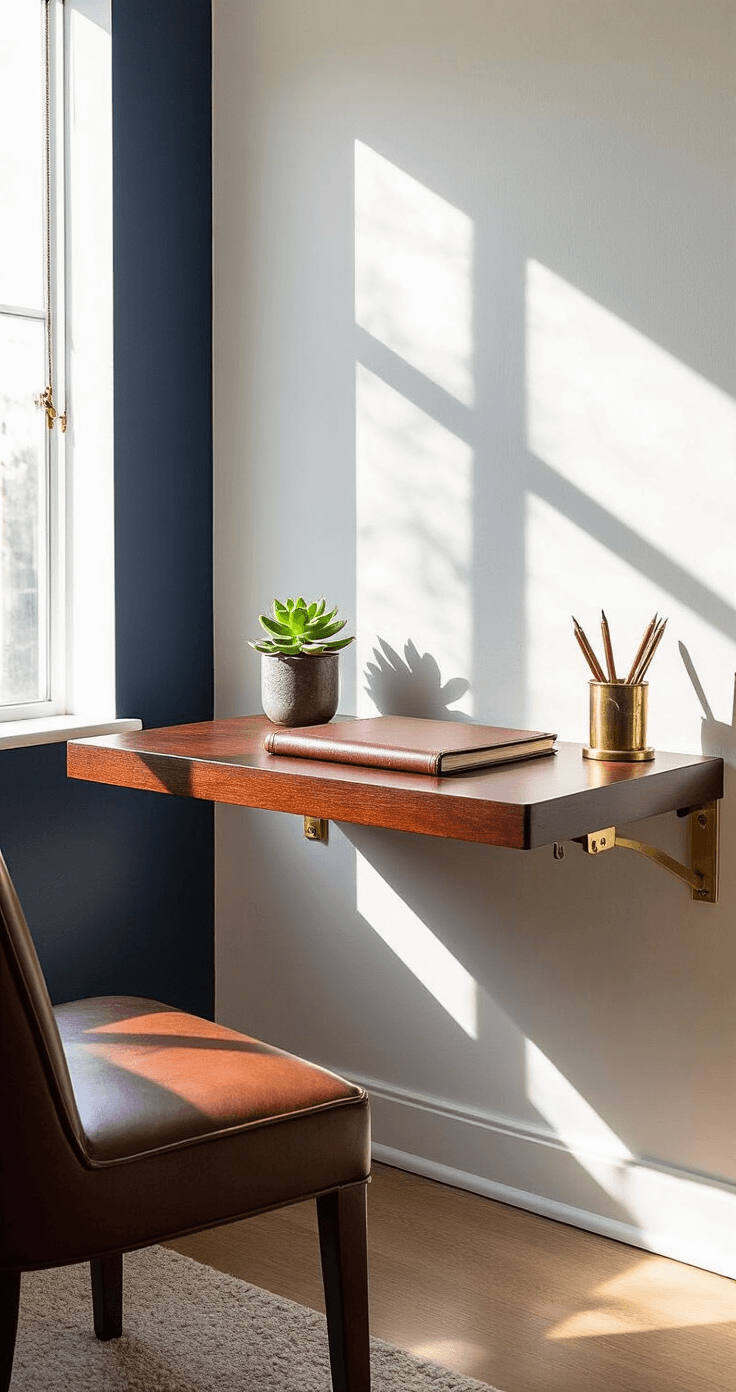
You’re looking at floating desk brackets that you pair with your own desktop surface. I started here. Bought a piece of butcher block from the hardware store, some heavy-duty brackets, and spent a Saturday installing everything.
Total cost? About $85. It’s been holding strong for two years.
Mid-range ($100-$300):
Complete desk systems with decent materials. These usually come with everything you need, including mounting hardware and actual instructions that make sense.
Premium ($300-$680+):
Built-in storage, high-end materials, designs that look like they belong in architectural magazines. If you’re serious about your workspace and have the budget, these are worth it.
Features That Actually Get Used
I’m big on features that earn their keep.
Storage shelves:
Floating desks with built-in wall shelves are brilliant. Your books, supplies, and random crap all stay organized without needing separate furniture.
I have one above my desk, and it’s where my coffee mug lives when I’m pretending to be productive.
Foldable designs:
Already covered this, but seriously. Game-changer for small spaces or multi-purpose rooms.
Cable management:
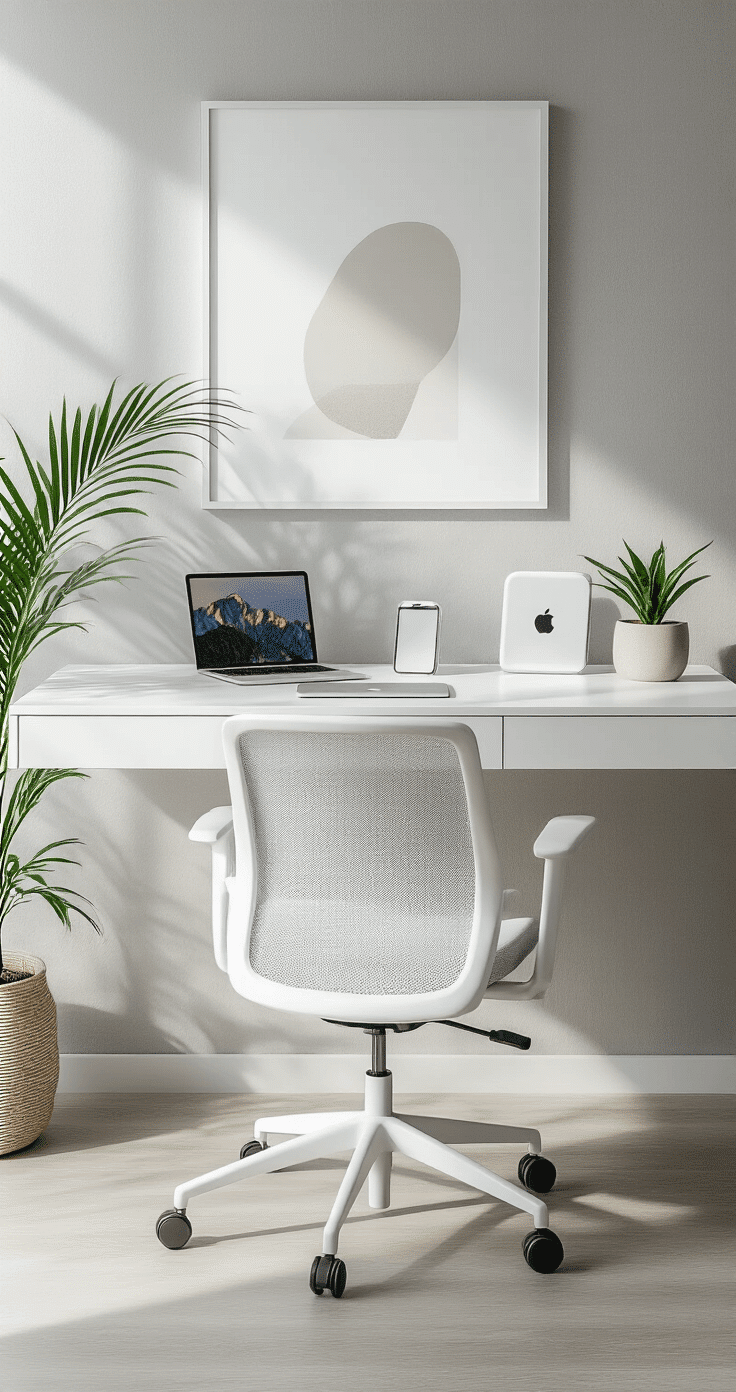
Look for desks with built-in cable channels or grommets. Nothing ruins a clean floating desk aesthetic like cables dangling everywhere like technological spaghetti.
Adjustable heights:
Some mounting systems let you adjust the height. Worth considering if you’re particular about ergonomics or share the space with someone significantly taller or shorter.