This post may contain affiliate links. Please see my disclosure policy for details.
Why Your Current Setup Probably Sucks (And How to Fix It)
Contents
Look, I get it. You’re hunched over a wobbly IKEA relic from 2012, your laptop perched on a stack of old magazines, wondering why your back screams at you by 2 PM.
Been there. Done that. Got the chiropractor bills to prove it.
The truth is, most people grab whatever desk fits their budget without thinking about how they actually work. Big mistake.
What You Actually Need to Think About Before Buying
Here’s what I wish someone had told me before I wasted money on three different desks:
Start with your work style, not the price tag.
Do you spread papers everywhere like you’re solving a conspiracy theory? You need surface area.
Are you someone who loses everything the moment it leaves your hand? Get a desk with drawers and built-in shelving—trust me on this.
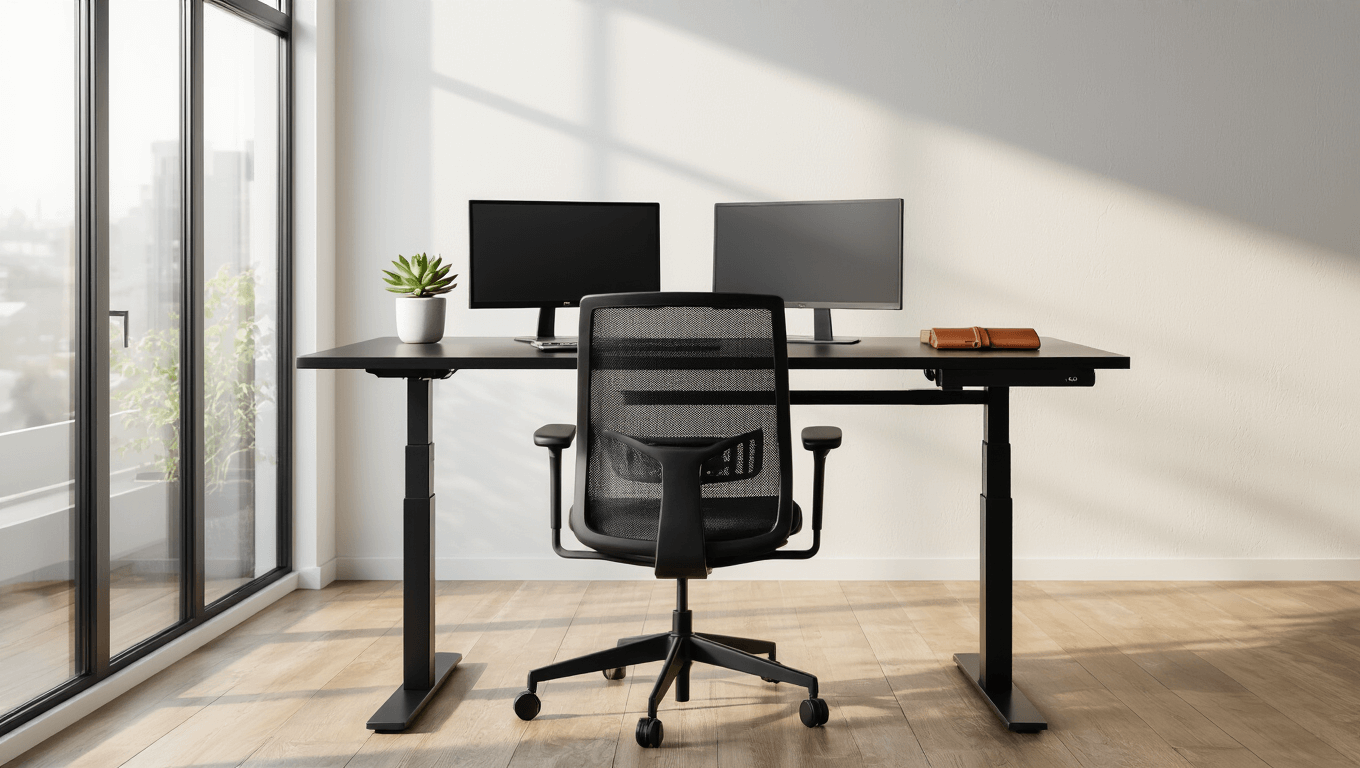
If you’re running multiple monitors (and let’s be honest, who isn’t these days?), you’ll want either a wider surface or a corner desk that actually gives you room to breathe.
For those marathon work sessions—the ones where you forget lunch exists—ergonomic features aren’t optional:
- Adjustable height capability
- Enough depth for proper monitor distance
- Space underneath for your legs (sounds obvious, but you’d be surprised)
I switched to an adjustable standing desk last year and my afternoon energy crashes basically disappeared.
The Numbers That Actually Matter
Most home office desks follow these standard dimensions, and there’s a good reason why:
Width: 48 to 72 inches
Depth: 24 to 30 inches
Height: 29 to 30 inches
These aren’t random numbers pulled from thin air. They’re based on average human proportions and how we actually use workspace.
But here’s the thing—if you’re tight on space, compact desks under 48 inches can still be perfectly functional.
I started with a 42-inch desk in a tiny apartment, and it worked fine for laptop-only setups.
When you’re running a bigger operation with printers, multiple screens, and enough cables to start your own electronics store, L-shaped desks and executive desks give you that extra surface area without making your office feel cramped.
Picking the Right Type (Because Yes, There Are Types)
Computer Desks
These are the workhorses. Larger surfaces, generous storage, built to handle desktop towers and printers.
If you’re someone who needs everything within arm’s reach—external hard drives, that fancy microphone you swore you’d use for podcasting, your third coffee mug—this is your desk.
Writing Desks
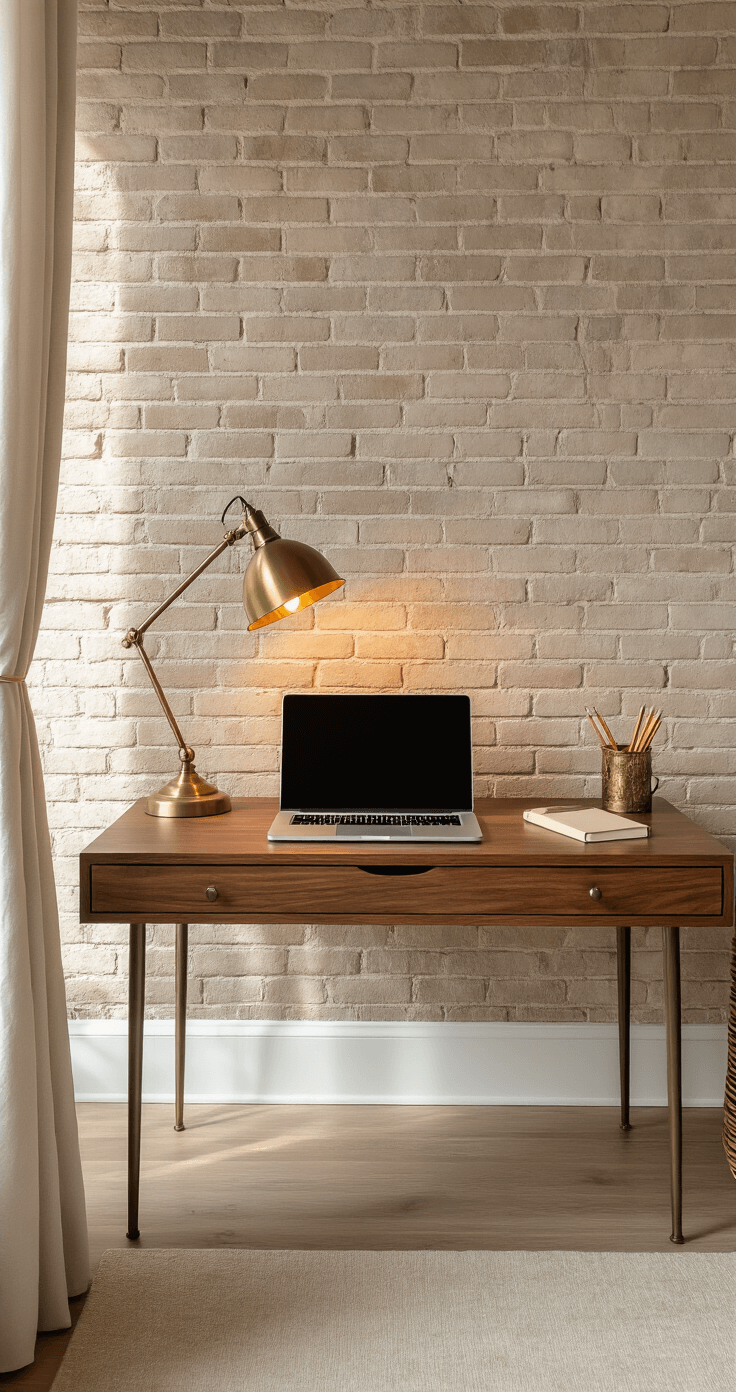
Smaller, narrower, more refined. Perfect for the minimalist who just needs a laptop and maybe a notebook.
I use one in my bedroom for evening work when I can’t stand looking at my main office anymore.
Secretary Desks
These clever things are self-contained units with drop-down work surfaces.
The genius part? You can close them when you’re done and pretend work doesn’t exist.
Perfect for studio apartments where your office and living room are the same room, and you need to maintain some semblance of work-life boundaries.
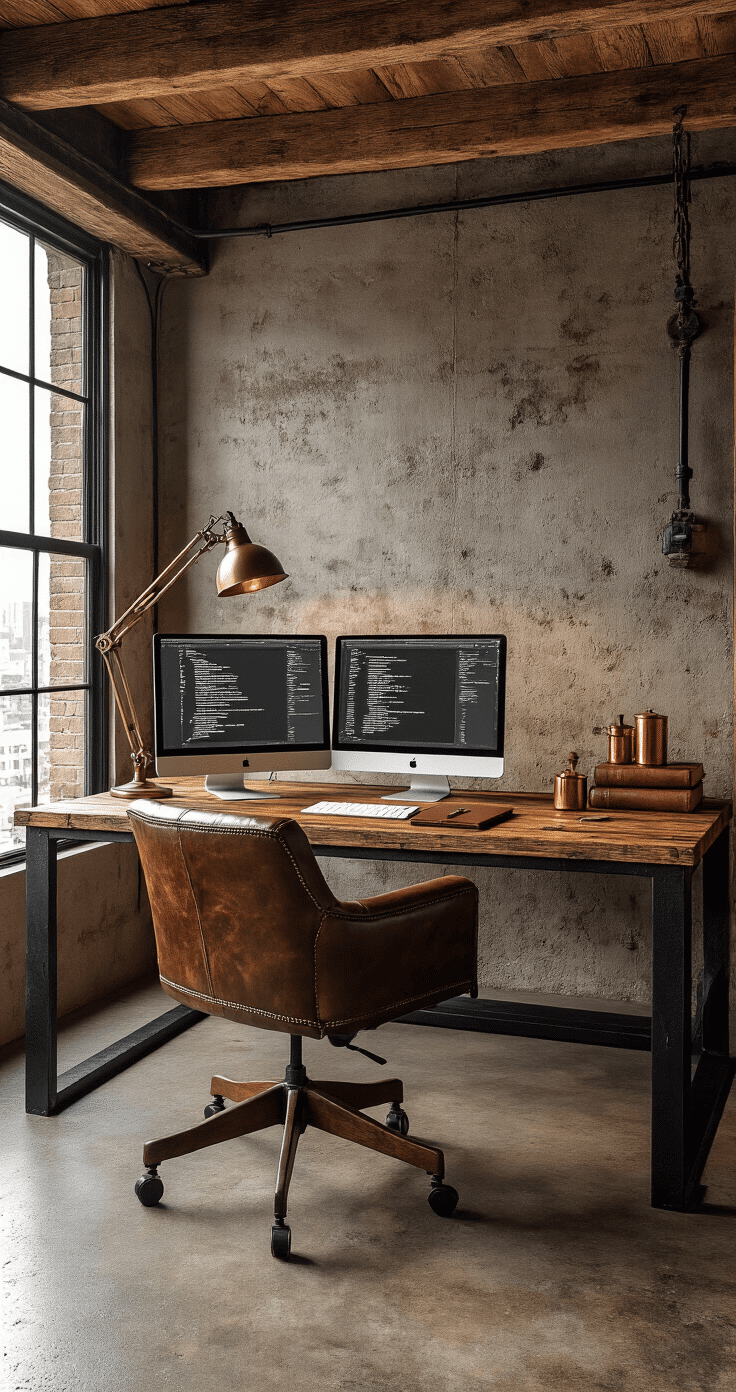
Corner Desks
If you’ve got an awkward corner that’s currently collecting dust and random items you don’t know what to do with, a corner desk transforms wasted space into prime real estate.
Where to Actually Put This Thing
This is where people mess up constantly.
Your desk placement affects everything—your focus, your energy, even how often you actually sit down to work.
Find a quiet, well-lit area with nearby power access.
Sounds basic, but I once set up a beautiful desk arrangement only to realize the nearest outlet was 15 feet away. Don’t be me.
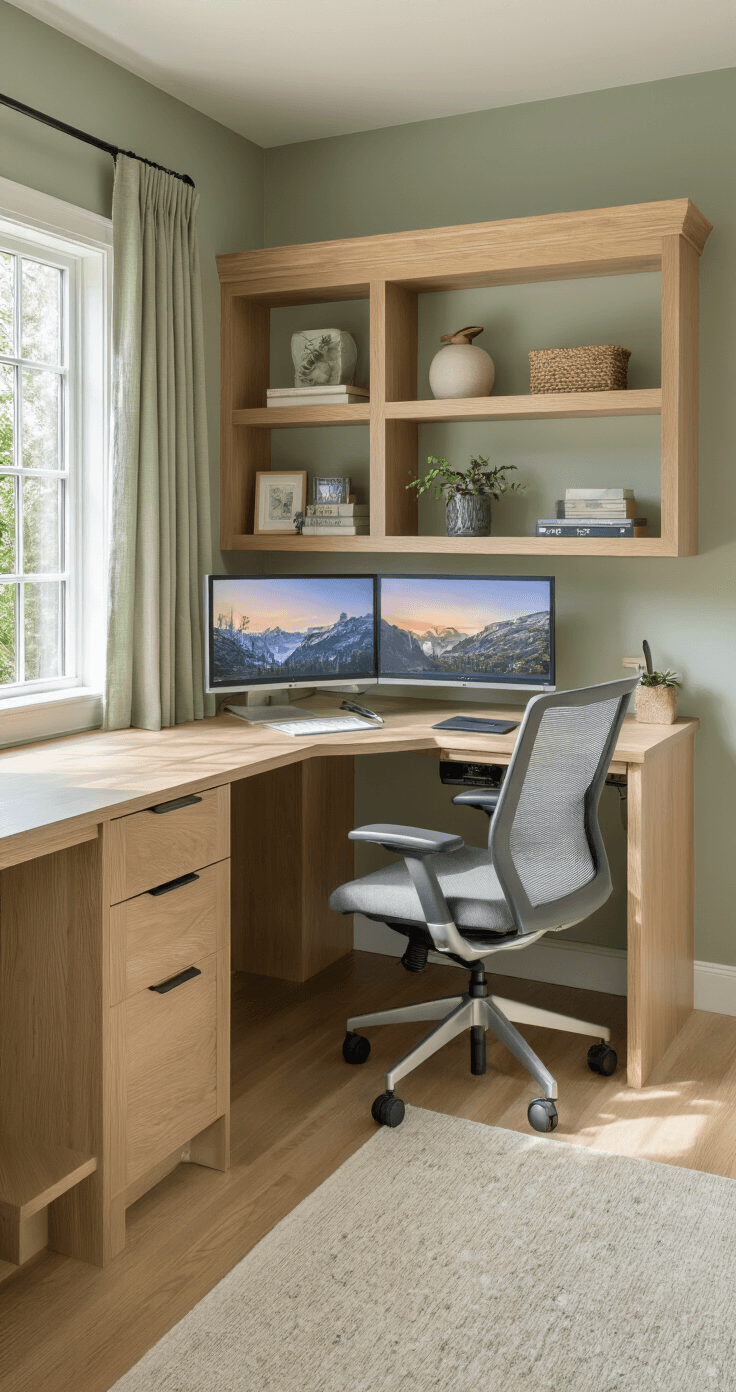
Feng shui enthusiasts and productivity experts both agree (rare occurrence): facing your desk toward the door gives you a psychological sense of control.
Something about not having your back to entrances. Makes you feel less anxious. Works for me.
If your room has built-in shelving or architectural nooks, these are natural desk locations. But larger desks sometimes work better in the center of the room—counterintuitive, but it can actually open up the space.
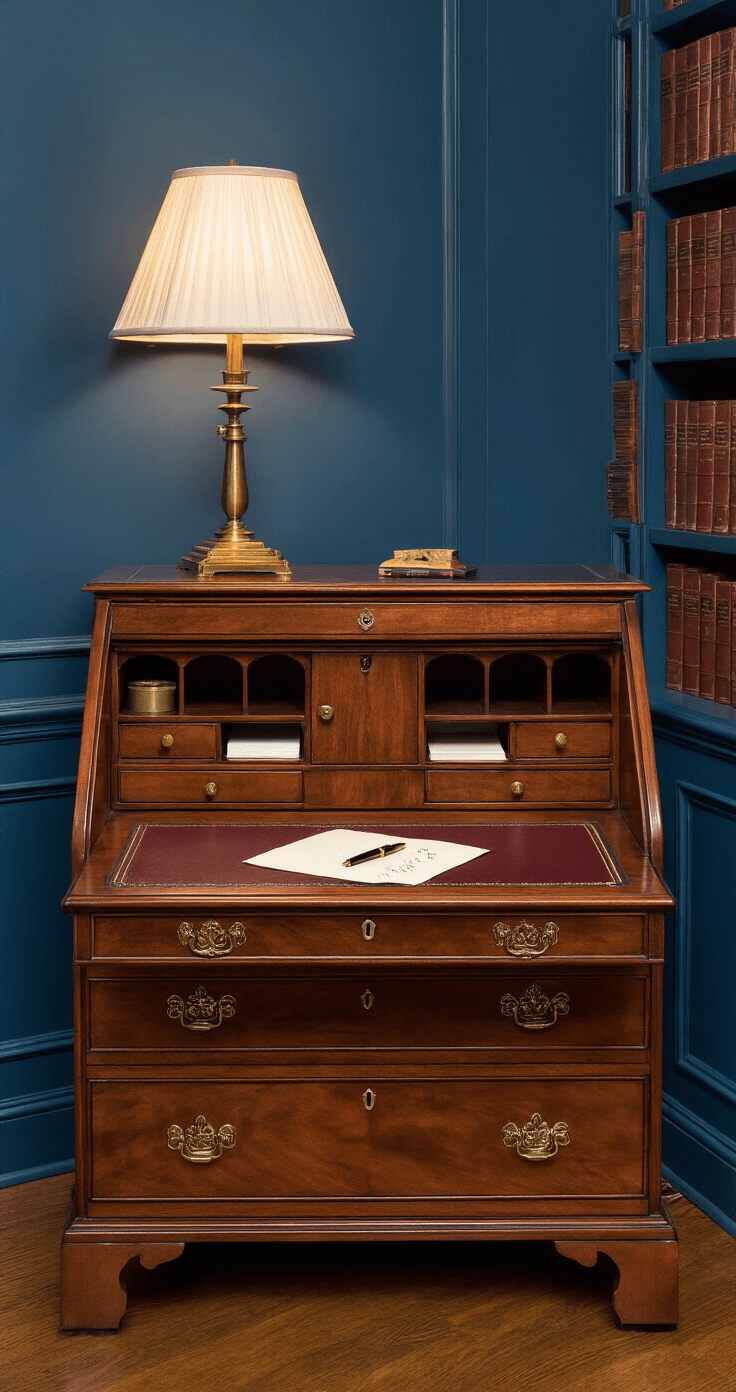
For tiny apartments, positioning a compact desk against a wall creates a focused, distraction-free zone.
I did this in my first home office and it felt like a productive little cave.
Making It Look Good (Because You’ll Be Staring at It All Day)
Your desk doesn’t have to look like it belongs in a corporate nightmare from the 90s.
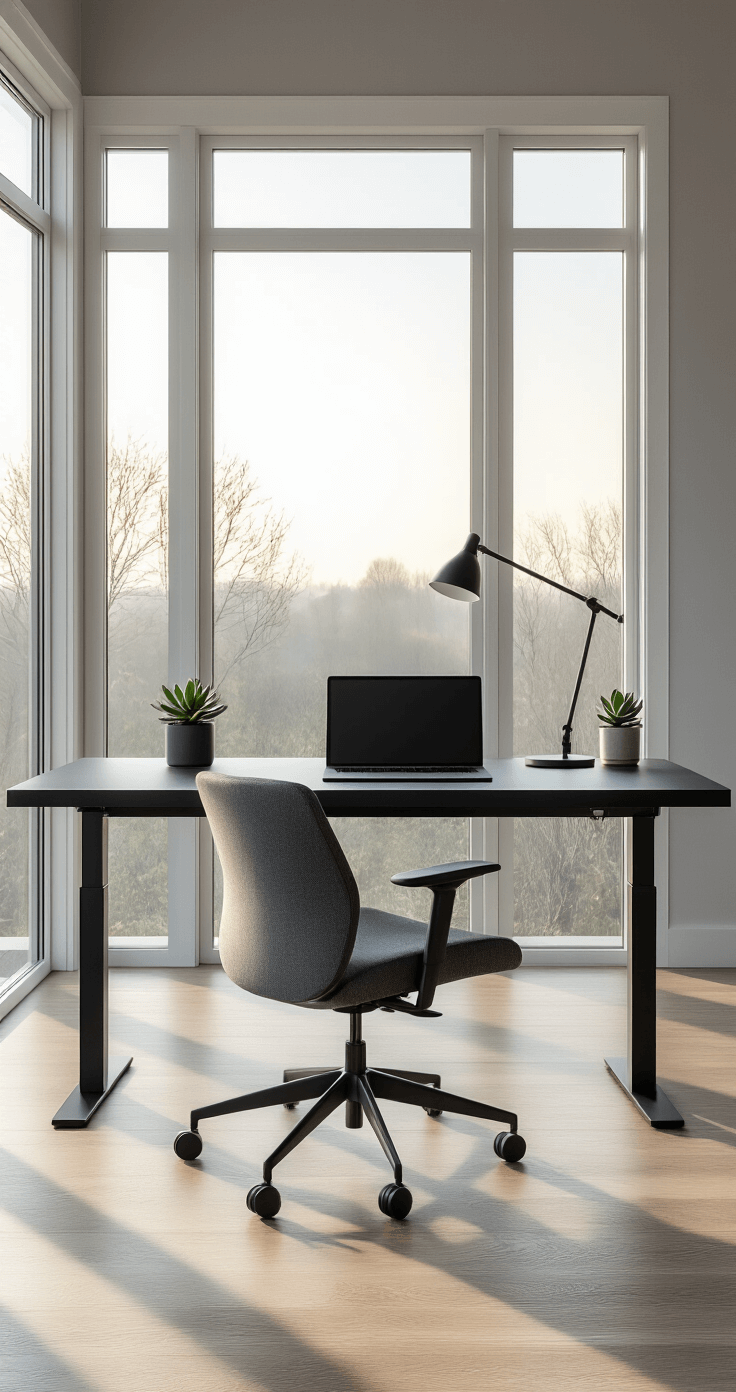
Black desks create modern, sophisticated vibes—especially good if you’re going for that minimalist tech aesthetic.
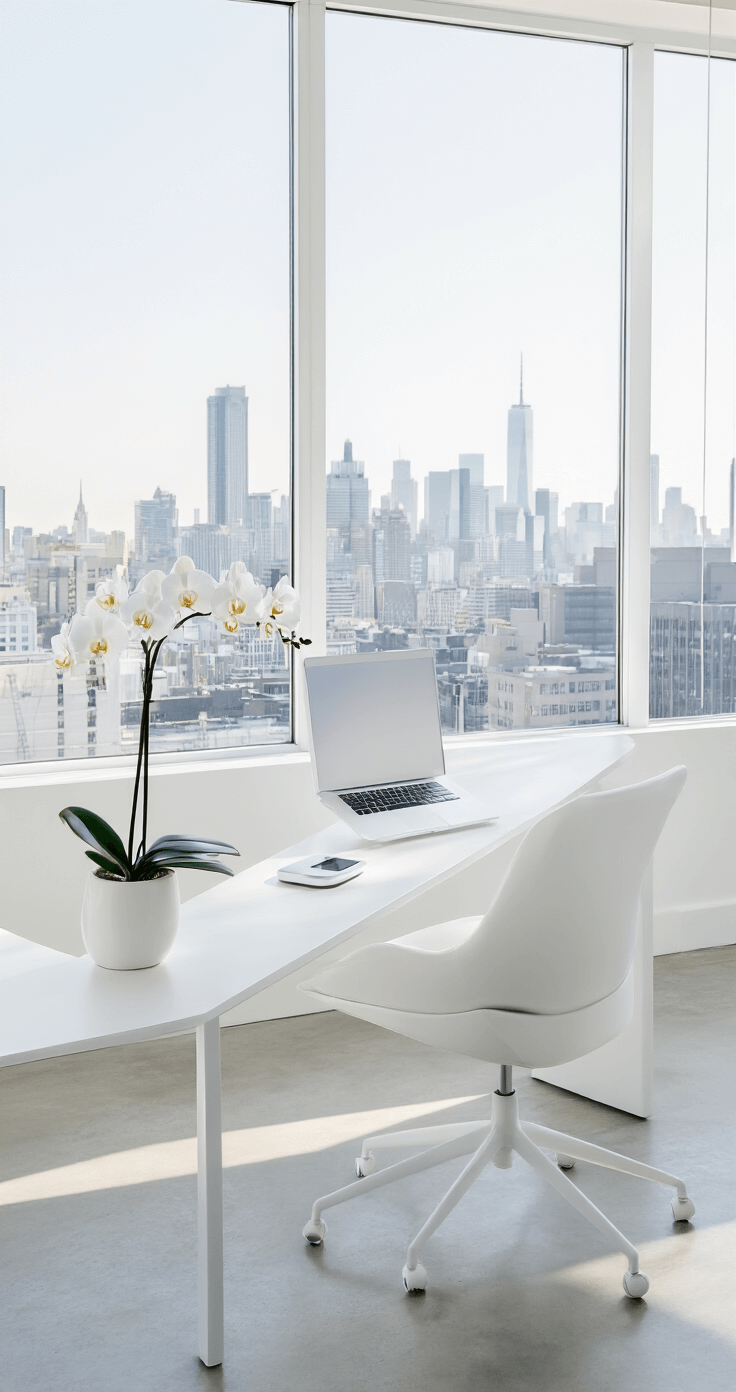
White desks make small spaces feel bigger and brighter. They also show every coffee ring and pen mark, so there’s that trade-off.
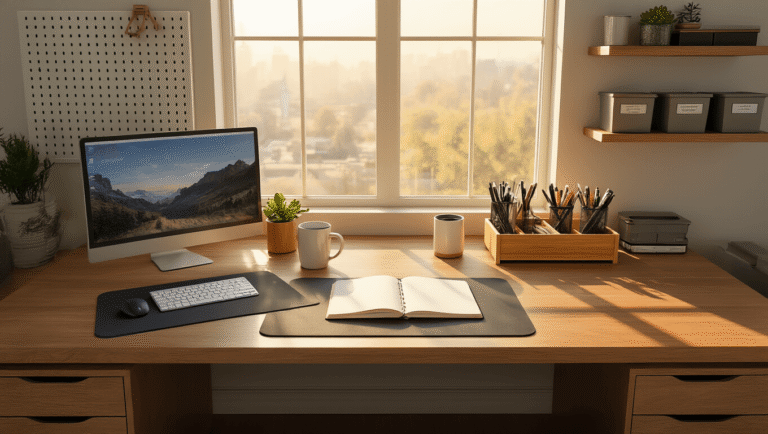
Light wood finishes bring warmth and texture without feeling stuffy. Scandinavian design lovers, this is your jam.
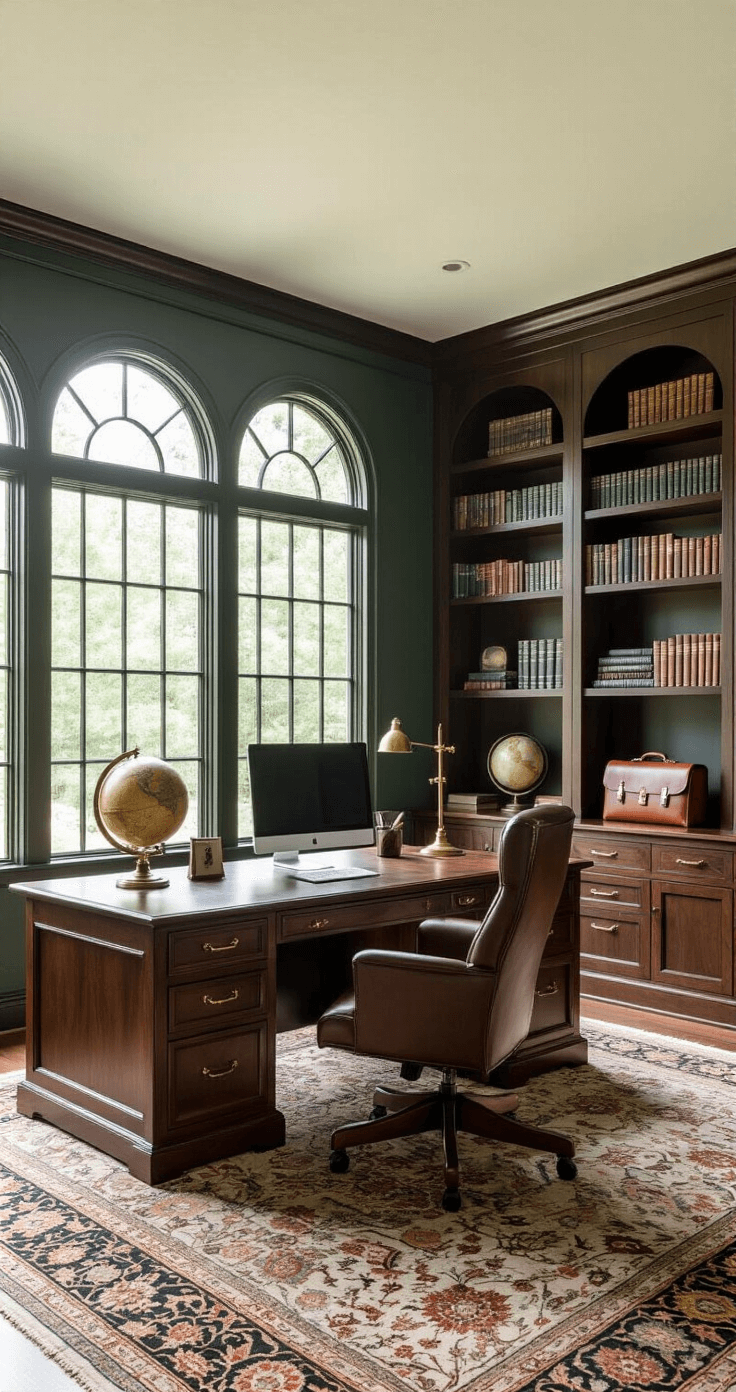
Traditional brown or dark wood still works beautifully for classic or executive-style offices. Gives off serious “I know