
This post may contain affiliate links. Please see my disclosure policy for details.
Your Game Concept: The Foundation That Makes or Breaks Everything
Contents
Before you touch a single piece of cardboard, you need to nail down your concept.
Think of this like Gordon Ramsay planning a menu. You wouldn’t just throw random ingredients together and hope for the best, would you?
Ask yourself these game-changing questions:
- What’s your game’s personality? (Strategic brain-burner or laugh-out-loud party game?)
- Who’s playing this thing? (Kids, adults, or that weird uncle who takes Monopoly way too seriously?)
- How many players can join the chaos?
- What’s the end goal? (World domination, treasure hunting, or just not going bankrupt?)
- How long should this adventure last? (20 minutes or epic 3-hour sessions?)
I learned this the hard way. My first game had no clear objective. Players just… wandered around the board aimlessly. It was like watching paint dry, but somehow less entertaining.
Pro tip: Start by listing your top 3 favorite board games and identify what makes them addictive. Then ask yourself: what would make them even better?
Sketching and Planning: Your Game’s Blueprint
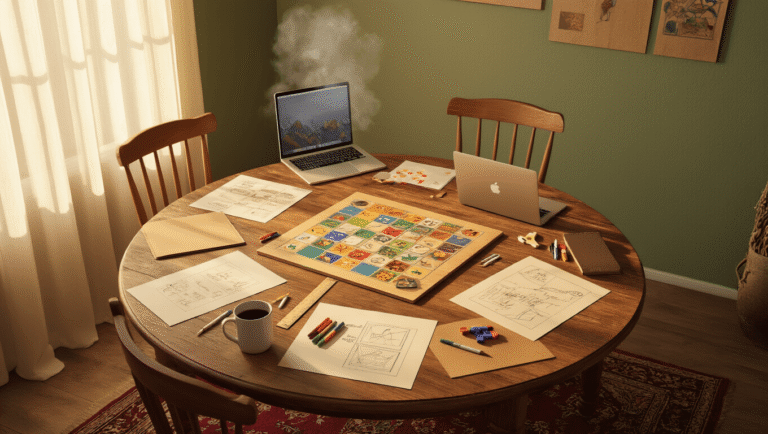
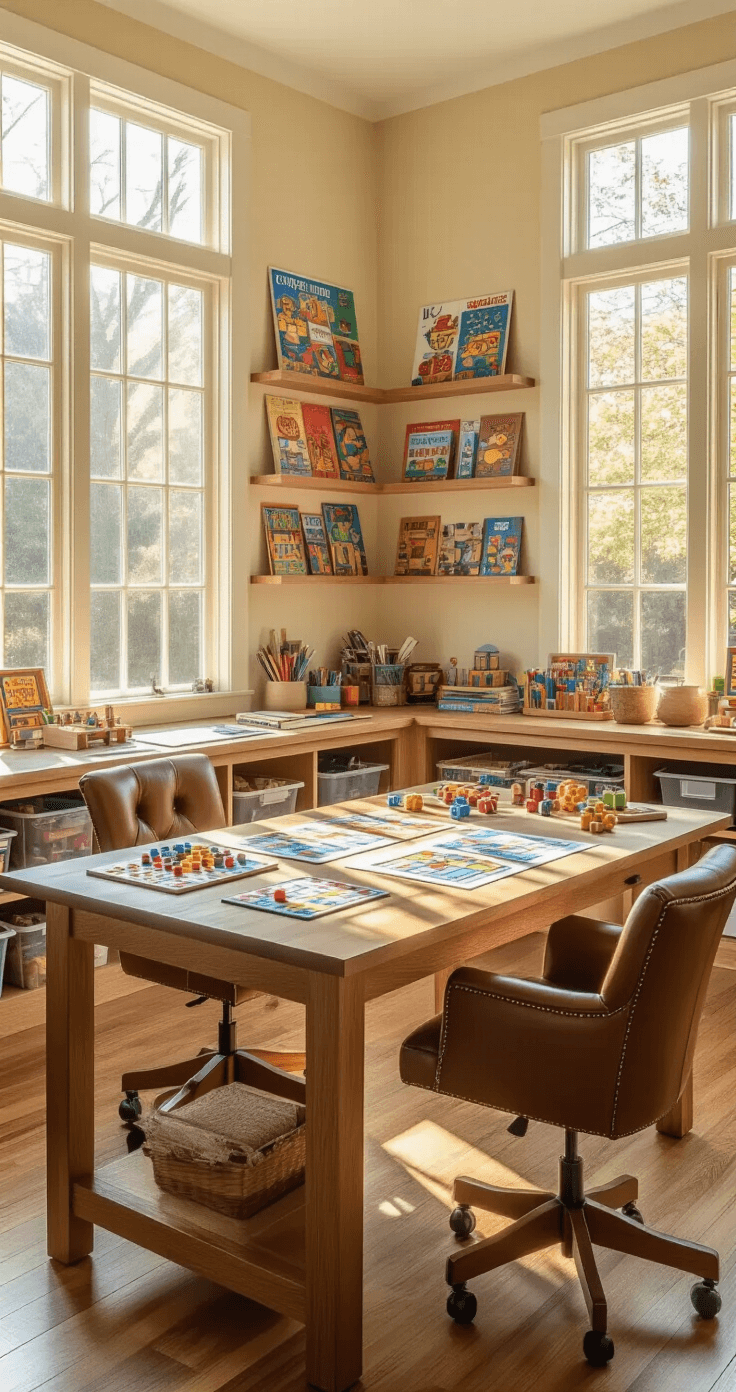
Here’s where most people mess up. They jump straight into building without planning. It’s like trying to bake a soufflé without a recipe.
I spent two weeks building an elaborate wooden board for my first game before realizing the rules made no sense. Those were two weeks I’ll never get back.
Smart approach:
- Sketch your board layout on paper first
- Write down your rules (even if they’re terrible)
- Create a paper prototype using whatever’s lying around
- Test it immediately with anyone willing to humor you
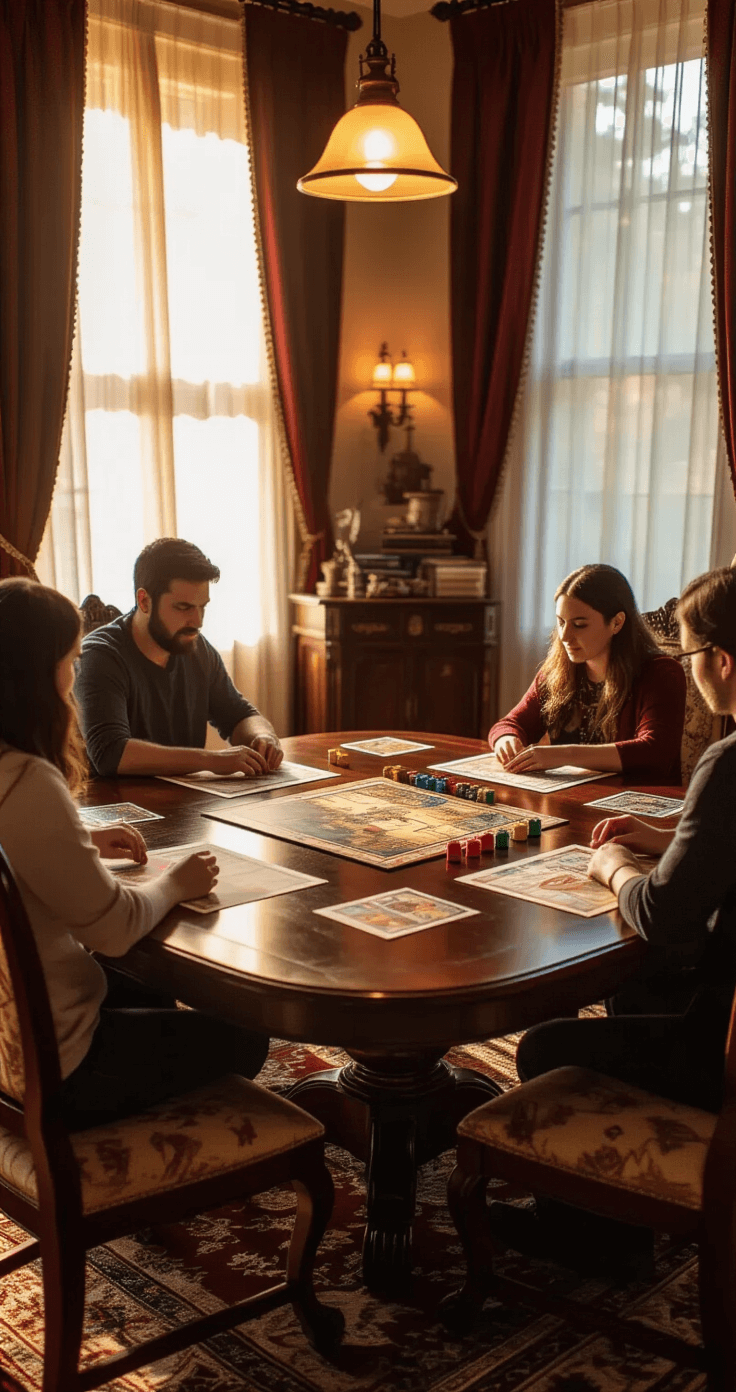
Your first version will be awful. That’s not just normal – it’s guaranteed. My medieval trading game started as a confusing mess where players collected sheep for reasons nobody understood.
Designing Your Board: From Napkin Sketch to Gaming Gold
Now we’re getting to the fun stuff.
You’ve got three main paths here, and your choice depends on your budget, skills, and how fancy you want to get.
Option 1: Old-School Art Attack
Grab some poster board, colored markers, and acrylic paint. Go full kindergarten art class on this thing. Don’t worry about perfection – some of the most beloved games look hand-drawn.
Option 2: Digital Design
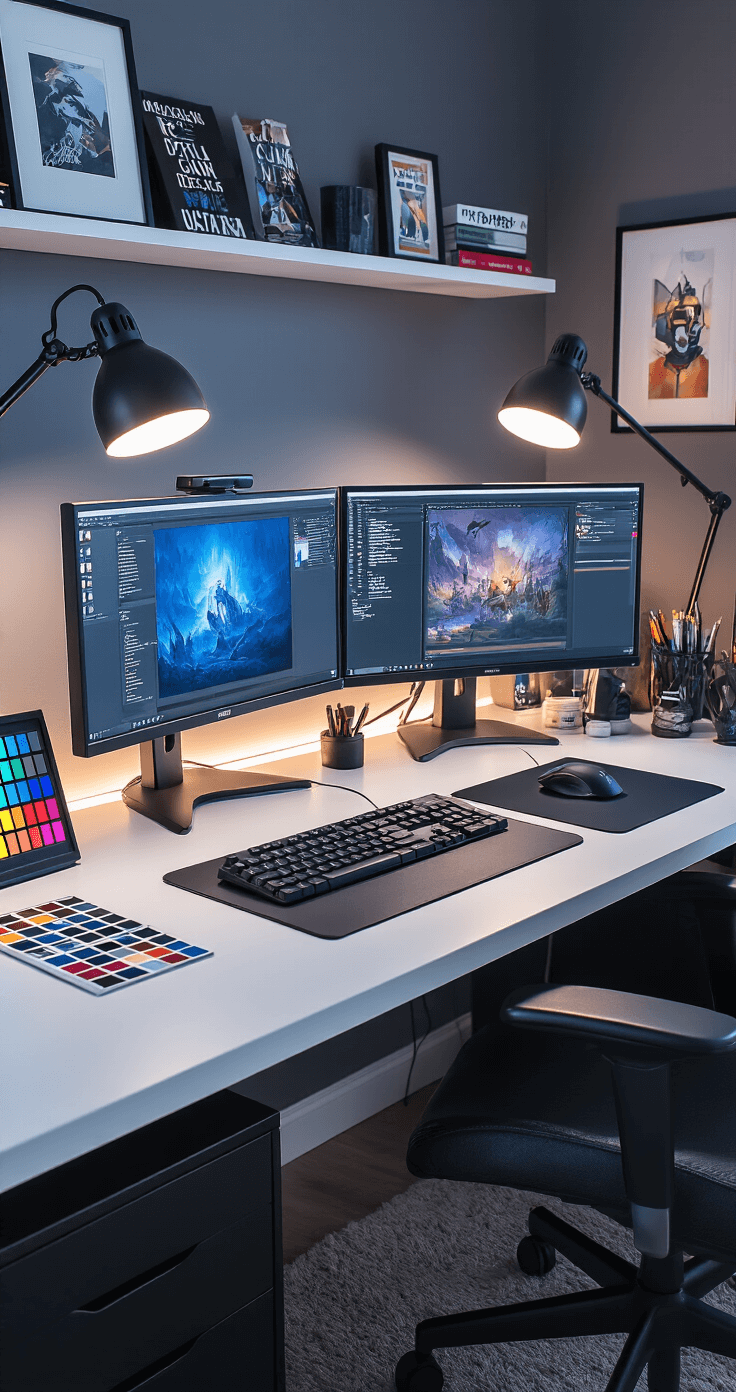
Fire up Adobe Illustrator, Canva, or the free alternative Inkscape. Design digitally, then print on heavy cardstock. This route gives you clean lines and the ability to fix mistakes without starting over.
Option 3: Laser-Cut Luxury
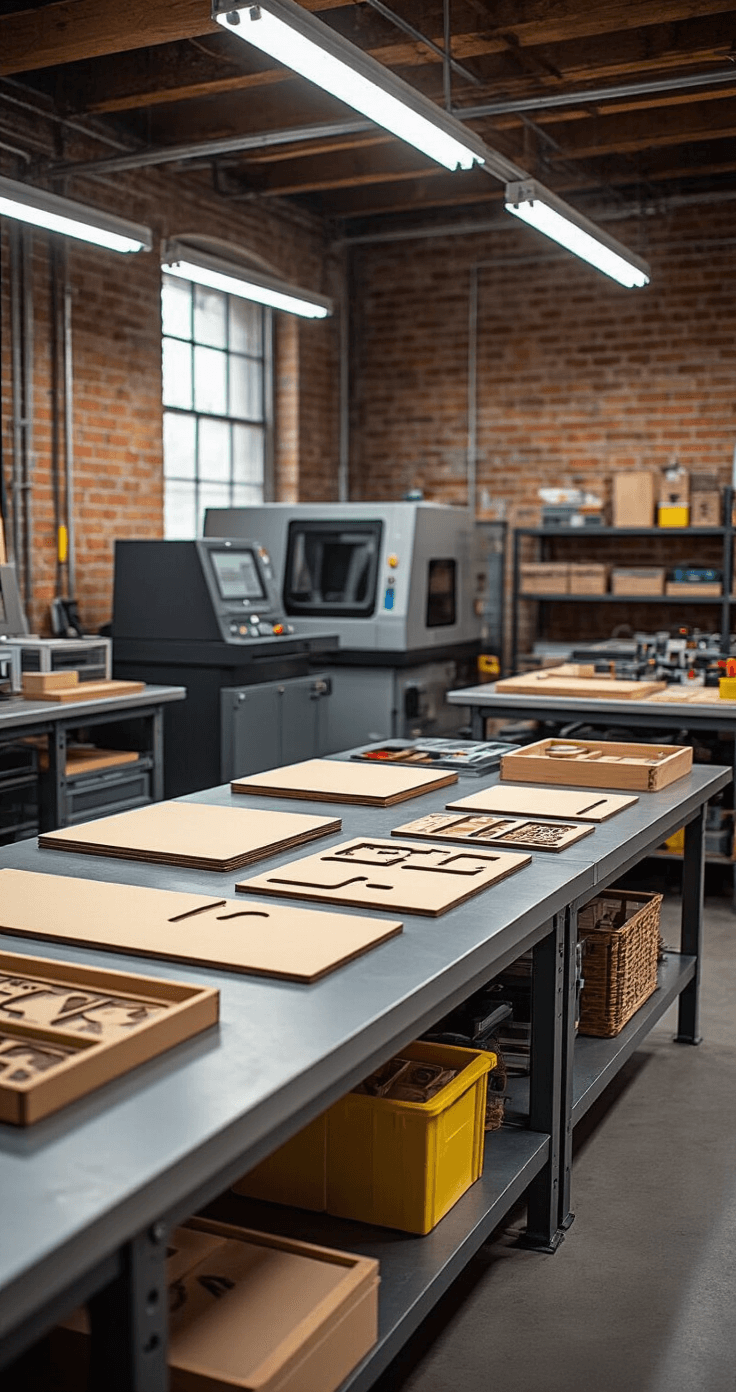
If you’ve got access to a makerspace or want to splurge, laser cutting on wood or fiberboard creates a premium feel. Fair warning: this can get expensive fast.
I went with option 2 for my final design. Spent a weekend learning Canva (it’s surprisingly user-friendly), and the results looked professional enough that people assumed I bought it from a store.
Game Pieces: The Soul of Your Creation
Not every game needs a million components. Some of the best games use just a deck of cards or a handful of tokens.
Essential pieces you might need:
Player markers: These represent each player on the board
- Wooden meeples (classic and satisfying to move around)
- Plastic figurines (if your theme calls for it)
- Simple colored tokens (cheap and effective)
Cards: If your game needs them
- Print on cardstock for durability
- Slide them into card sleeves for a professional feel
- Use old playing cards as backing to add weight
Dice: Standard six-sided usually work, but custom dice add personality
- Wooden dice for a classic feel
- Plastic for bright colors
- Metal dice if you want that satisfying weight
Resource tokens: Coins, gems, sheep (yes, always sheep)
- Wooden discs you can paint or sticker
- Poker chips work great for currency
- Small plastic beads for gems or resources
Testing: Where Dreams Go to Die (And Get Reborn Better)
This is the part nobody warns you about. Your beautiful game baby is going to get criticized by people you thought were friends.
But here’s the thing – this feedback is pure gold.
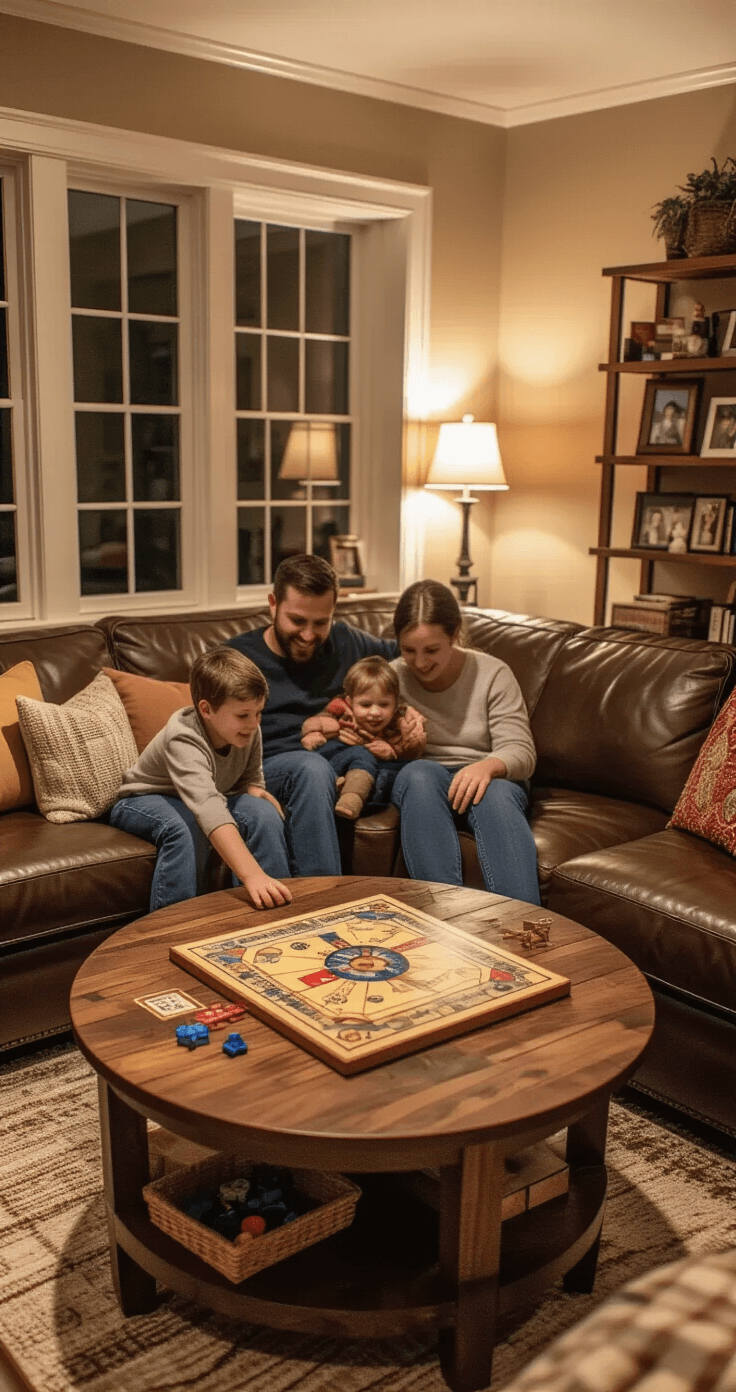
I remember the first time I tested my medieval game with my gaming group. Sarah got confused by the rules within 10 minutes. Mike found a loophole that broke the economy. Lisa just looked bored.
It stung, but they weren’t being mean. They were helping me create something actually worth playing.
Smart testing strategy:
- Start with family (they’re legally obligated to be nice)
- Move to close friends (they’ll tell you the truth)
- Find strangers willing to try it (the ultimate test)
Document everything. Which rules confused people? Where did the game drag? What made people light up with excitement?
Materials That Won’t Break Your Bank
You don’t need to spend a fortune to create something