
This post may contain affiliate links. Please see my disclosure policy for details.
Room Desks: Everything You Need to Know Before You Buy One
Contents
Room desks transform any corner of your home into a productive workspace, but choosing the wrong one can leave you cramped, uncomfortable, and seriously regretting your purchase.
I’ve been through three desk disasters before finding my perfect match, and I’m here to save you from making the same mistakes I did.
Why Size Actually Matters (And How to Get It Right)
Here’s the truth nobody tells you: most people buy desks that are either too small or ridiculously oversized for their space.
I learned this the hard way when I crammed a 72-inch behemoth into my tiny spare bedroom and could barely open the door.
Standard desk dimensions you should know:
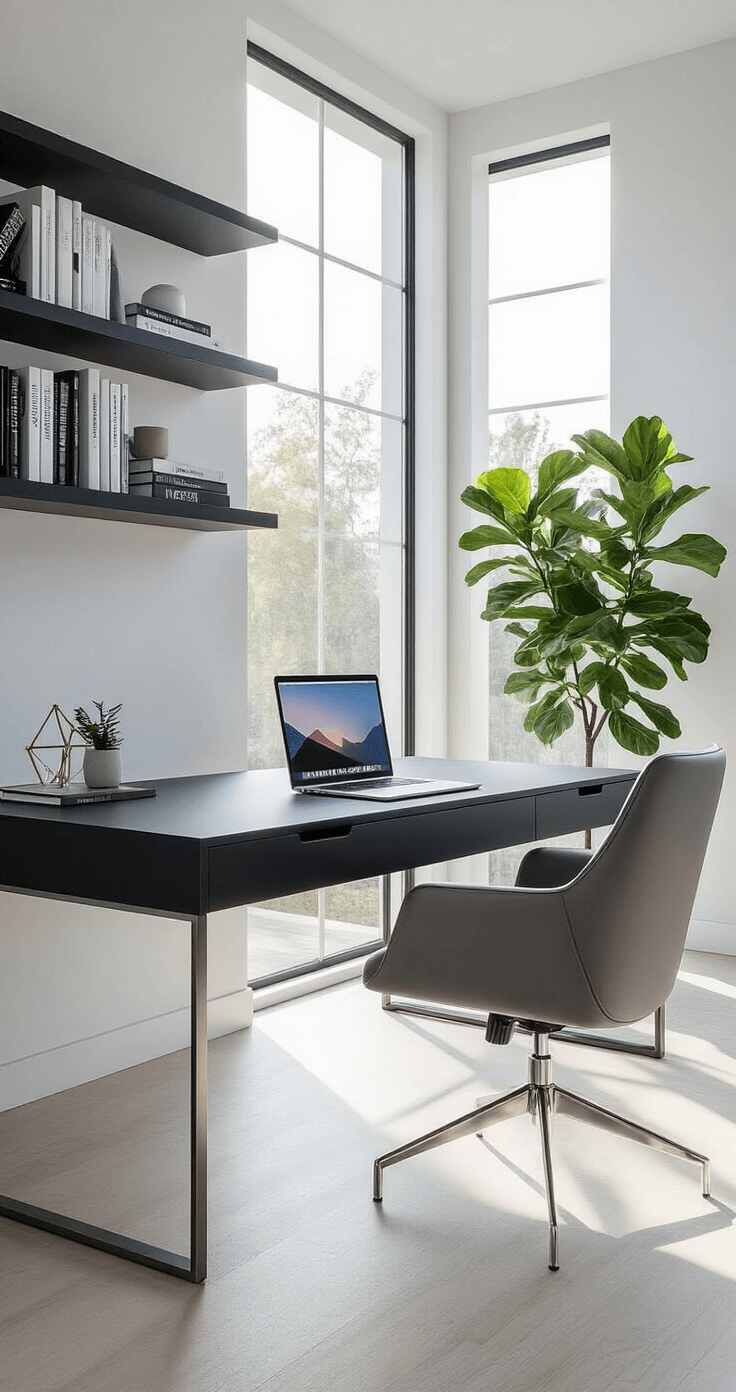
- Width: 48–72 inches (that’s 4 to 6 feet for those of us who don’t think in inches)
- Depth: 24–36 inches (about 2 to 3 feet from front to back)
- Height: Usually around 29–30 inches
The width matters most.
If you’re just paying bills, browsing, or doing light laptop work, a compact 48-inch desk works beautifully. I actually prefer a small writing desk for my journaling corner.
But if you’re running dual monitors, a printer, and have papers scattered everywhere like I do during tax season, go bigger. You’ll thank me later.
Quick sizing guide:
- Laptop only: 48 inches wide works fine
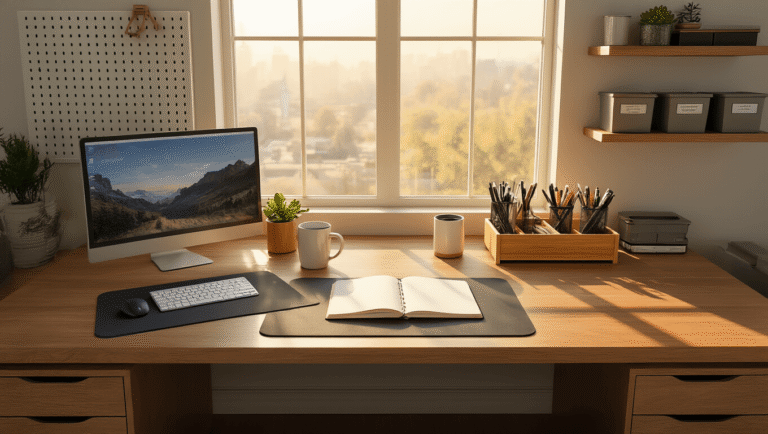
- Desktop computer + monitor: 54–60 inches minimum
- Dual monitors or extensive setup: 60–72 inches (trust me on this)
- Depth matters too: Get at least 30 inches if you use a desktop tower or need elbow room
Where to Actually Put Your Desk (Because Location Changes Everything)
I’ve moved my desk seven times in the past two years.
Each spot taught me something new about productivity, lighting, and how easily I get distracted by squirrels outside my window.
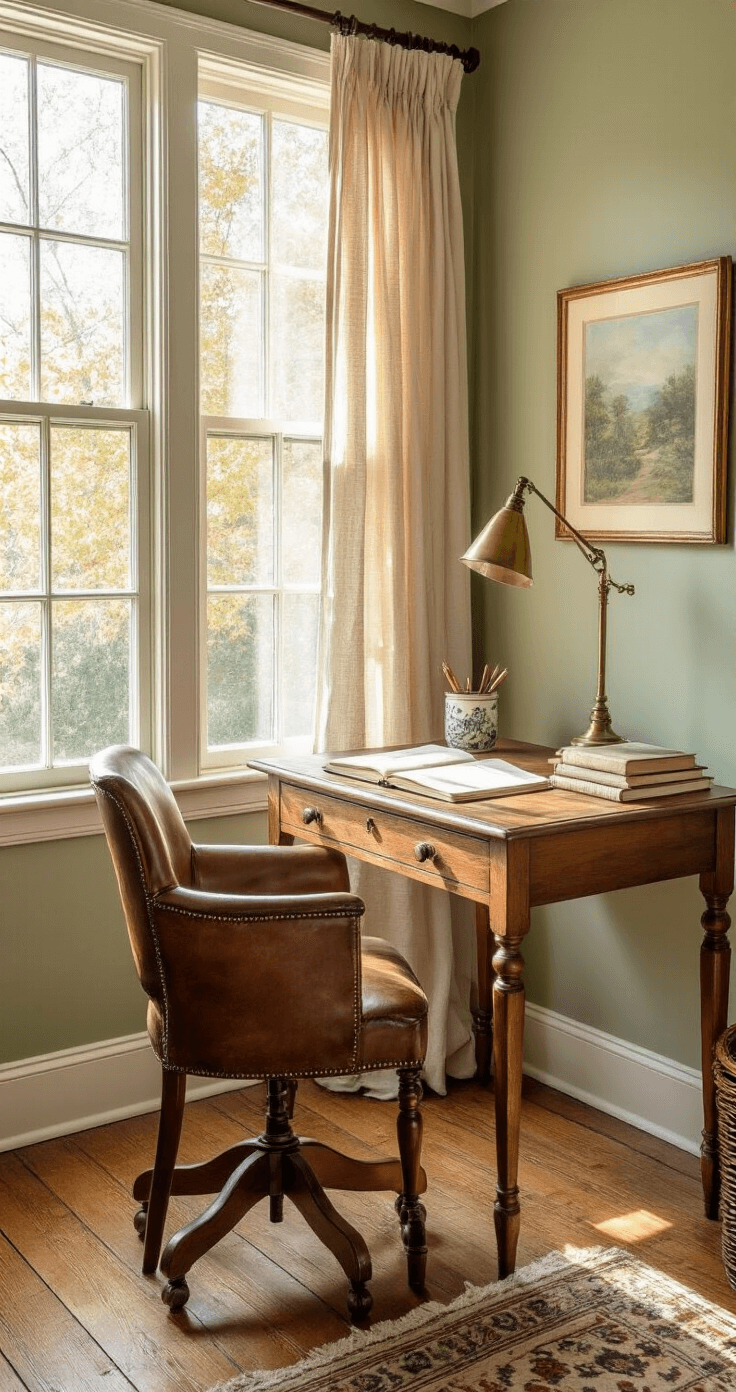
Against the wall is the classic move.
It saves floor space and works brilliantly in smaller rooms. My first apartment desk lived against the wall, and I loved having that secure feeling behind me. The downside? You’re staring at a wall all day, which gets depressing fast.
Center of the room makes a statement.
This works if you’ve got a gorgeous desk that deserves to be shown off and enough square footage to pull it off. I tried this in my home office and felt like a CEO for about two weeks before realizing I had nowhere to put my filing cabinet.
Corner positions are genius for tight spaces.
A corner desk maximizes every inch and creates a cozy workspace cocoon. I used one in my studio apartment and it literally saved my sanity during lockdown.
Facing a window is controversial.
Some people swear by natural light and views for creativity. Others (like me on certain days) end up watching birds instead of working. Test this if you can before committing.
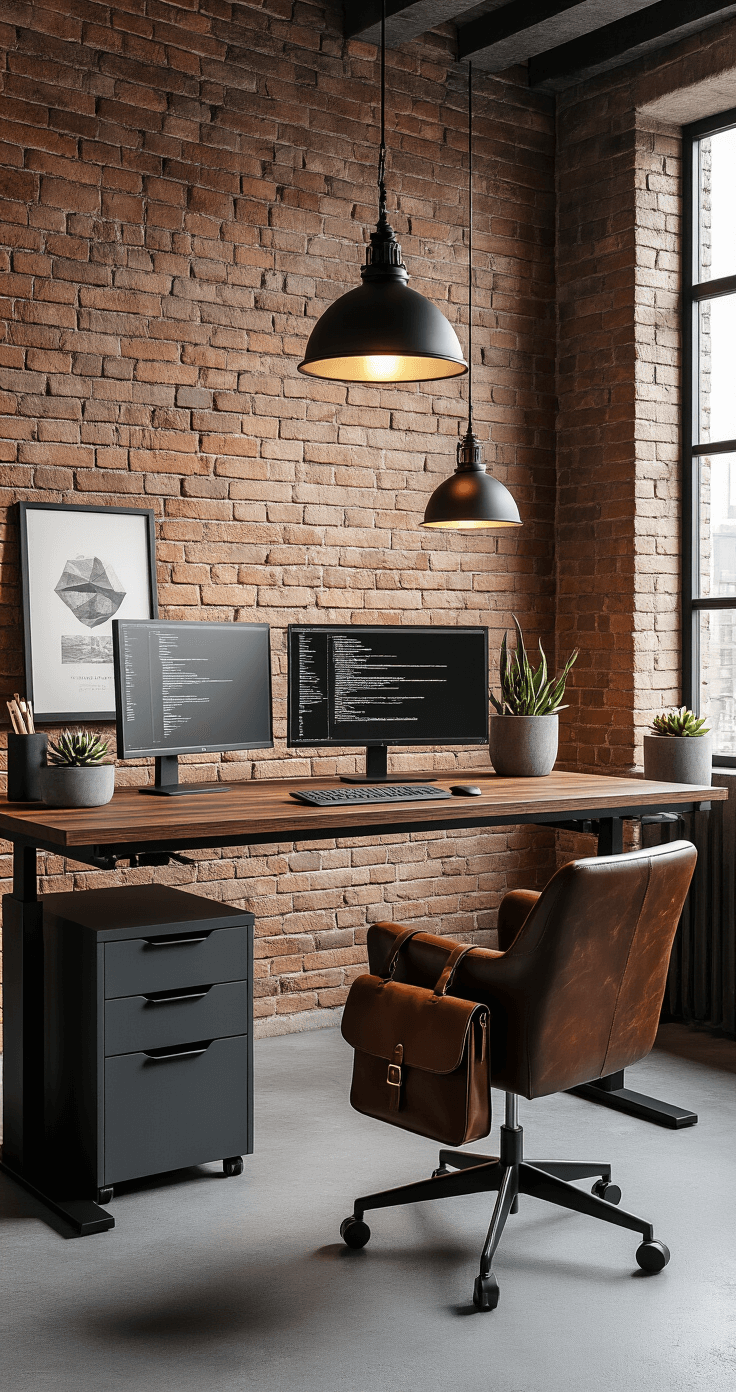
Special Note for Bedroom Desks
If your desk lives in your bedroom, positioning becomes crucial.
Face it into the room with your back to a wall. This matters especially for video calls because nobody wants to see your unmade bed during morning meetings.
I learned this during an embarrassing Zoom call when my boss got a full view of my laundry pile. Not my finest moment.
Storage Solutions That Actually Keep You Organized
Let me be blunt: a desk without storage is just an expensive table.
Built-in drawers changed my life.
Before I got a desk with drawers, my papers lived in chaotic piles that multiplied like rabbits. Now everything has a home.
What storage actually matters:
- File drawers: Essential if you deal with paperwork (taxes, contracts, kid’s school stuff)
- Shallow drawers: Perfect for pens, charging cables, and random junk
- Shelving: Keeps books and supplies visible and accessible
- Keyboard trays: Old school but useful for freeing up desk surface
I currently use a desk with three drawers on one side and open shelving on the other. The drawers hide my mess, the shelves display my fake plants (because I kill real ones), and everything looks intentionally designed.
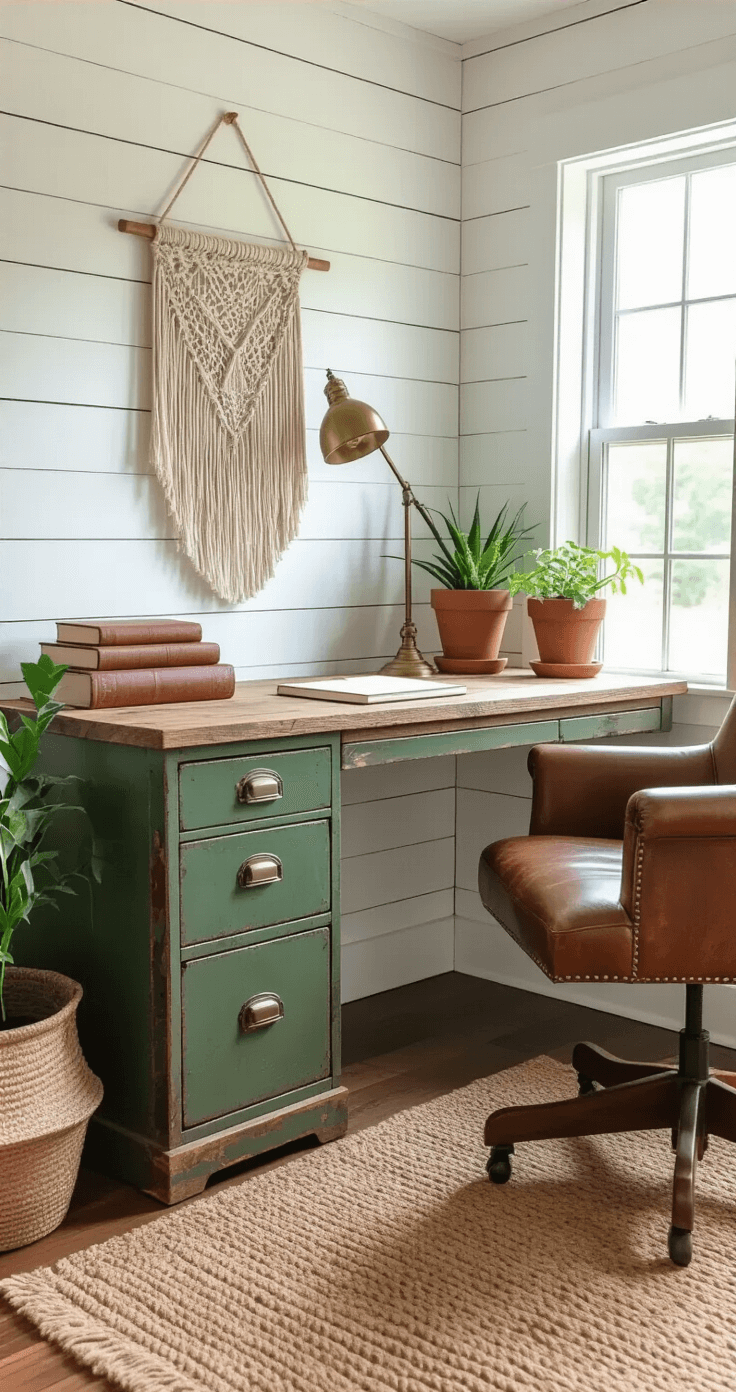
Filing cabinets deserve their own mention.
If your desk doesn’t have built-in filing, get a mobile filing cabinet. The ones on wheels are brilliant because you can move them around and use the top as extra surface space.
Features That Separate Great Desks from Mediocre Ones
Cable management sounds boring until you’re drowning in a spaghetti nightmare of cords.
Look for desks with cutouts or open raceways in the back. These simple holes let you thread cables through cleanly instead of having them drape everywhere like electronic vines.
I once bought a beautiful desk without cable management and spent an entire weekend drilling my own holes. Don’t be like me.
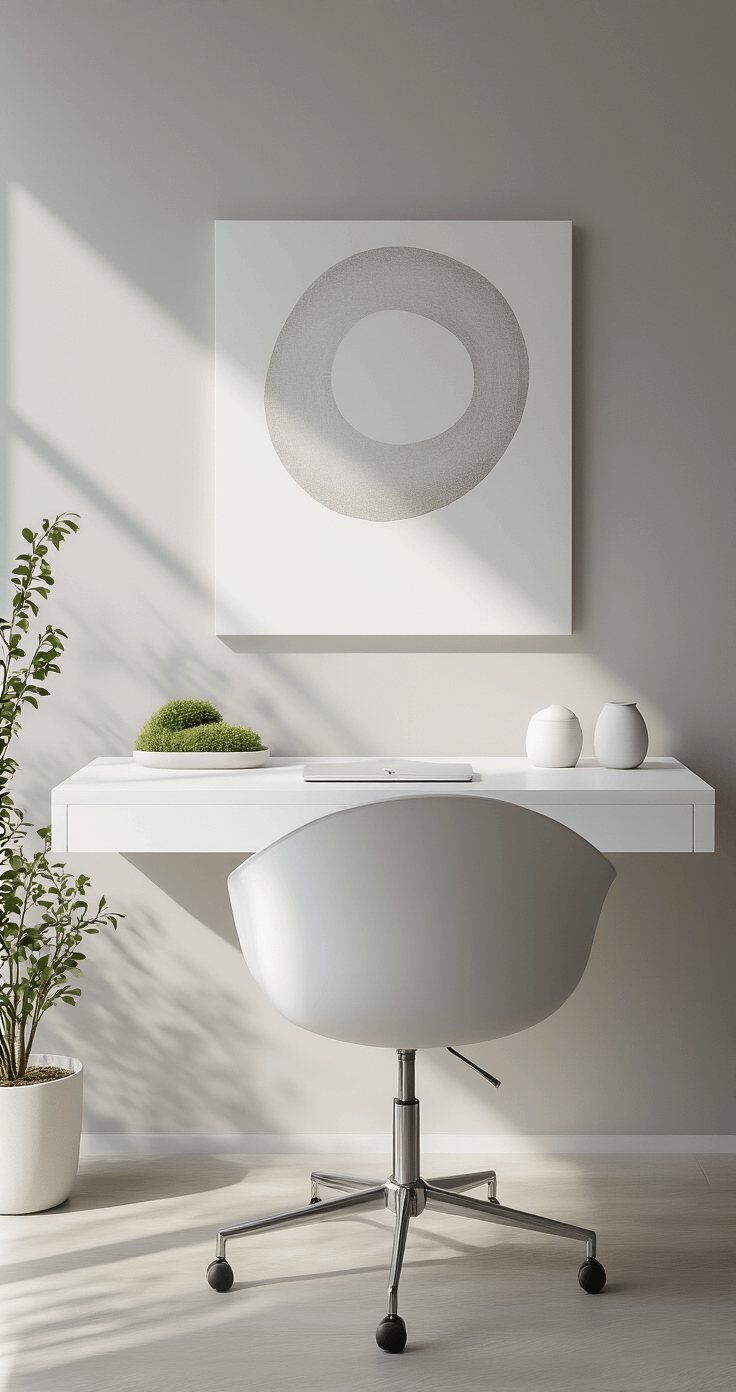
Adjustable height is worth every extra dollar.
A height adjustable desk lets you switch between sitting and standing, which helps with back pain and energy slumps.
I resisted this trend for years, thinking it was just wellness industry nonsense. Then my chiropractor bills got ridiculous and I caved. My lower back actually thanks me now.