
This post may contain affiliate links. Please see my disclosure policy for details.
The Teacher Desk That Actually Works: A Complete Guide to Finding Your Classroom Command Center
Contents
- The Teacher Desk That Actually Works: A Complete Guide to Finding Your Classroom Command Center
- Why Your Desk Choice Actually Matters (More Than You Think)
- Storage: The Make-or-Break Feature Nobody Talks About Enough
- Single Pedestal vs. Double Pedestal (The Eternal Debate)
- What Actually Goes in Those Drawers
- Materials That Can Handle the Classroom Chaos
- Wooden Desks: The Classic Choice
- Steel Desks: The Practical Alternative
- Laminate Surfaces: The Real MVP
- Modern Features That Actually Make Your Life Easier
- Power and Cable Management
Teacher desks aren’t just furniture—they’re the nerve center of your classroom, and I’ve learned the hard way that choosing the wrong one can make every school day feel like you’re working against yourself instead of with your space.
I still remember my first teaching desk. It was a hand-me-down metal monstrosity from the 1980s with drawers that screeched like angry cats every time I opened them. The surface was so scratched up it looked like generations of students had used it as a skateboard ramp. After two months of papers sliding off, supplies disappearing into its black-hole drawers, and zero workspace for student conferences, I knew something had to change.

Why Your Desk Choice Actually Matters (More Than You Think)
Let me be blunt: you’re going to spend somewhere between 40-60 hours a week at this desk. You’ll grade papers here at 7 AM before students arrive. You’ll eat lunch here while updating your lesson plans. You’ll counsel students here, organize field trip forms here, and probably cry here at least once during standardized testing week.
Your desk isn’t just a place to put your coffee mug—it’s where classroom magic happens.
The right teacher desk will make you feel organized, professional, and in control. The wrong one will have you shuffling through paper piles like a frantic raccoon searching for that one permission slip you know you put somewhere.
Storage: The Make-or-Break Feature Nobody Talks About Enough
Here’s what I wish someone had told me years ago: storage isn’t optional. It’s the difference between a functional workspace and a disaster zone.
Single Pedestal vs. Double Pedestal (The Eternal Debate)
Single Pedestal Desks:
- More legroom underneath (crucial if you’re tall or like to stretch)
- Lighter and easier to move around
- Better for smaller classrooms where space is tight
- One side of drawers only
Double Pedestal Desks:
- Maximum storage capacity
- Symmetrical look that screams “professional educator”
- Heavier and more permanent
- Perfect if you’re a supplies hoarder (no judgment—we all are)
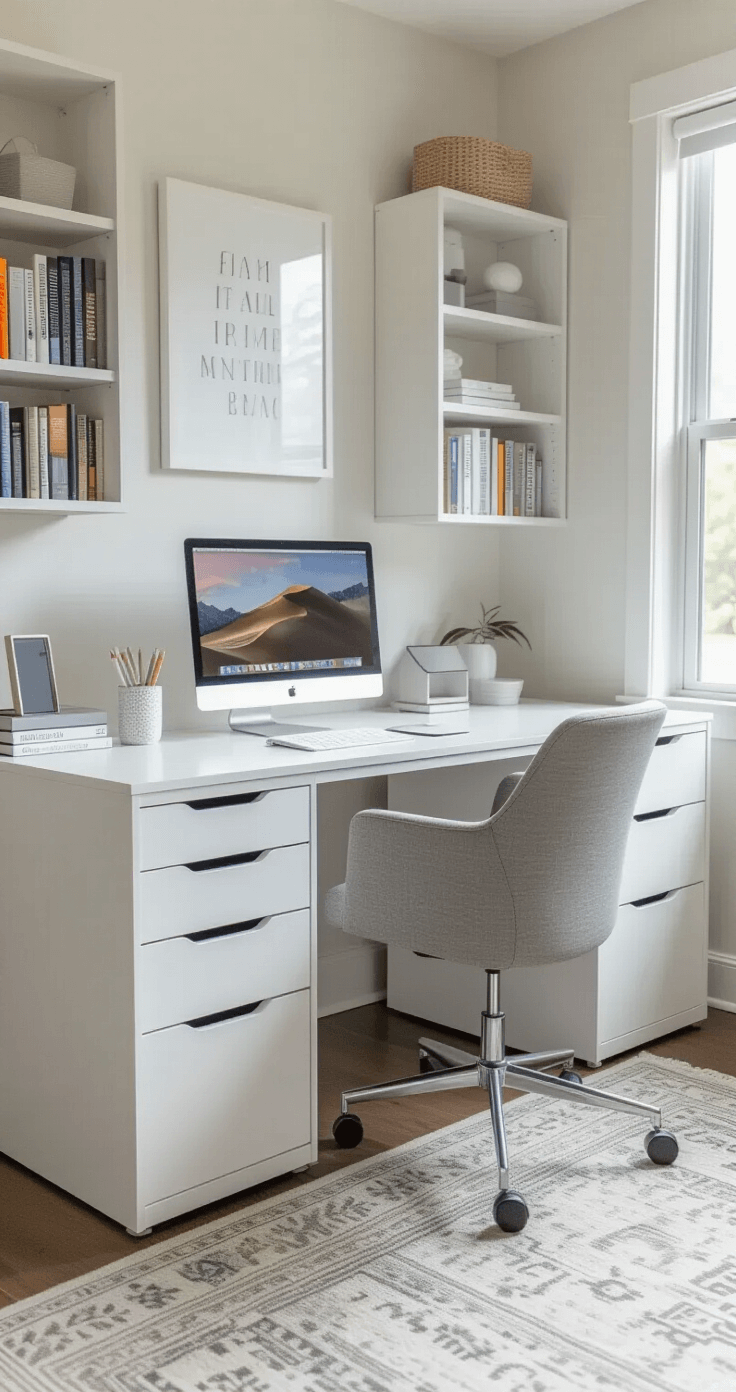
I switched to a double pedestal desk three years ago and never looked back. Yes, it takes up more space. Yes, it’s harder to move when you rearrange your classroom every August. But having dedicated spots for everything from extra pencils to parent contact forms has saved my sanity more times than I can count.
What Actually Goes in Those Drawers
Most teacher desks come with a combination of drawer types:
Box Drawers (the smaller, shallower ones):
- Office supplies that multiply mysteriously overnight
- Charging cables for every device known to humanity
- Band-aids, tissues, and emergency snacks
- That stapler you guard with your life
File Drawers (the deeper ones):
- Student paperwork and documentation
- Lesson plans and curriculum guides
- Forms, forms, and more forms
- Assessment records
Pencil Drawer (that skinny one under the desktop):
- Pens that actually work
- Sticky notes in seventeen different colors
- Paper clips you’ll never use but feel compelled to keep
- Emergency chocolate (trust me on this one)
One feature that’s genuinely worth seeking out: locking pedestals. If you handle sensitive student information, graded assignments, or just want to keep your good scissors safe from wandering hands, locks aren’t a luxury—they’re a necessity.
Materials That Can Handle the Classroom Chaos
I’ve tested more desk materials than I care to admit, and here’s the honest truth about what actually holds up.
Wooden Desks: The Classic Choice
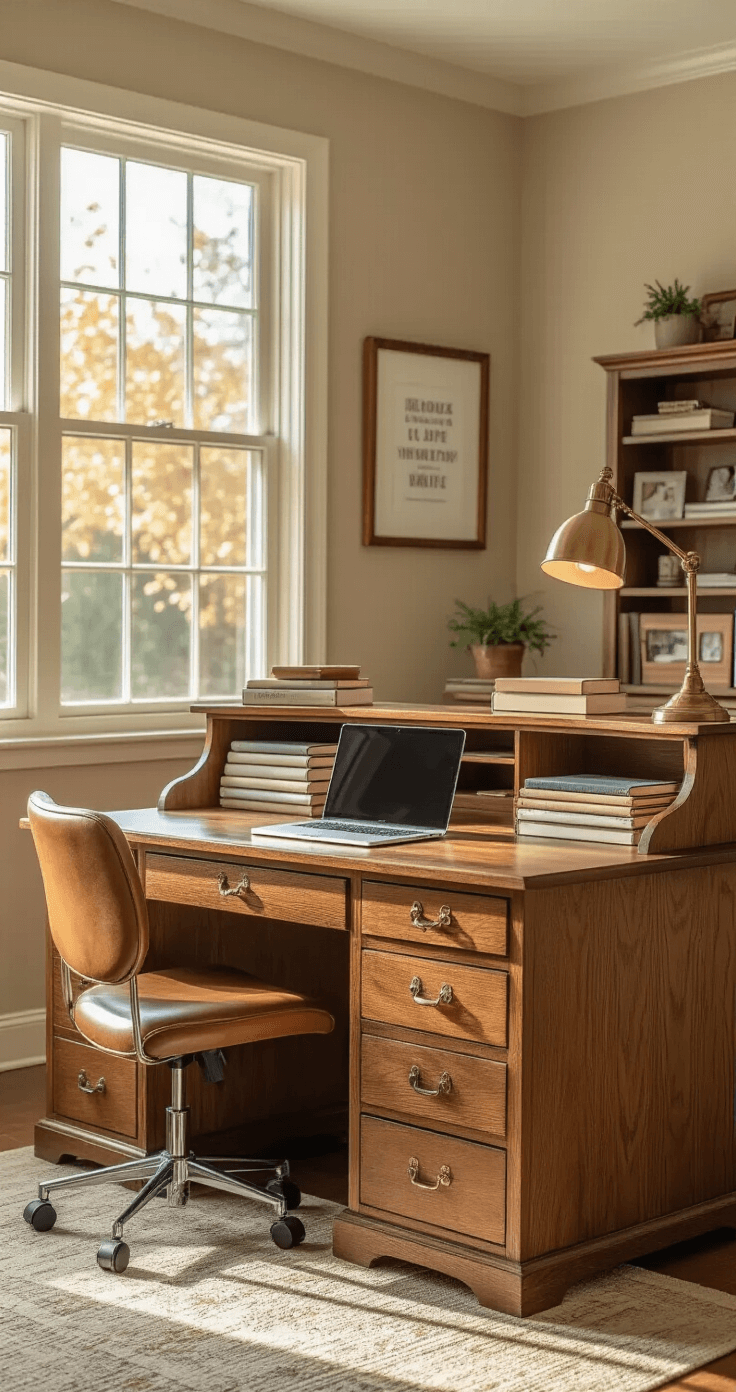
Wooden desks have that undeniable classroom gravitas. They look substantial, feel solid, and give your space an air of academic seriousness.
I love the natural appeal of wood, and a well-built wooden desk can last decades. But they’re heavier, more expensive, and require a bit more care to keep looking good.

Steel Desks: The Practical Alternative
Steel gets a bad rap for looking institutional, but modern steel desks have come a long way. They’re lighter (easier to move during summer cleaning). They’re budget-friendly (important when you’re spending your own money on classroom supplies). They’re durable enough to survive the apocalypse.
Laminate Surfaces: The Real MVP
Whether your desk frame is wood or steel, pay attention to the desktop surface. Laminate tops are scratch-resistant and ridiculously easy to clean—two features that matter enormously when you’re wiping down surfaces between classes or scrubbing off mystery stains.
I spilled an entire cup of coffee on my laminate desk last Tuesday. Grabbed some paper towels, wiped it up, and moved on with my life. No permanent stains, no drama, no regrets.
Modern Features That Actually Make Your Life Easier
The teacher desks of today aren’t your grandmother’s school furniture, and thank goodness for that.
Power and Cable Management
Let me paint you a picture: you’ve got a laptop, a phone charger, possibly a document camera, maybe a tablet, and definitely a device charging station for student Chromebooks. That’s a lot of cables.
Desks with built-in power strips and wire-management grommets are game-changers. Those little holes in the desktop that let cables pass through cleanly? They’re the unsung heroes of the modern classroom.
No more tangled cable nightmares. No more tripping hazards. No more crawling under your desk like you’re defusing a bomb just to plug something in.
A desk with cable management costs a bit more upfront, but I promise you’ll recoup that investment in preserved sanity alone.