
This post may contain affiliate links. Please see my disclosure policy for details.
White Desks: Everything You Need to Know Before You Buy One
Contents
White desks are having a moment, and I’m here to tell you exactly why they might be the smartest choice for your workspace.
Let me guess—you’re staring at your current desk setup thinking it looks cramped, outdated, or just plain boring.
Maybe you’ve scrolled through a thousand Pinterest boards of gorgeous home offices and wondered how they all look so damn good.
Here’s the secret: many of them feature white desks.
Why White Desks Actually Work (And It’s Not Just About Looking Pretty)
I’ve tested this theory in my own cramped home office, and the difference was immediate.
White desks make spaces feel bigger.
It’s not magic—it’s basic design psychology.
Light colors reflect natural light instead of absorbing it, which tricks your brain into thinking the room has more square footage than it actually does.
When I swapped my dark wooden monstrosity for a white desk, my 10×10 office suddenly felt like it could breathe.
Here’s what else white desks bring to the table:
- They match literally everything – seriously, try to find a color scheme that clashes with white
- They create a clean slate mentally – there’s something about a white surface that makes you want to organize
- They’re ridiculously versatile – moving apartments? Your white desk comes with you and works in the new space
- They photograph beautifully – if you’re into that Zoom background flex
The color white symbolizes clarity and professionalism.
That’s probably why every sleek corporate office and trendy startup features white desks prominently.
The Material Matters More Than You Think
Not all white desks are created equal.
I learned this the hard way when my first “budget-friendly” white desk started chipping after six months.
Here’s the breakdown:
Solid Wood
The heavyweight champion of desk materials.
These desks cost more upfront, but they’ll outlive your career.
I’m talking 20+ years if you treat them right.
They feel substantial, don’t wobble when you’re furiously typing, and can be refinished if they get dinged up.
Engineered Wood and Fiberboard
The middle ground option.
These desks use compressed wood particles with a white finish on top.
They’re significantly cheaper than solid wood but still hold up reasonably well.
I’d recommend these for renters or anyone who moves frequently—you won’t cry if movers scratch them.
Laminate
This is where things get interesting.
Laminate white desks are actually MORE resistant to scratches and stains than real wood.
The synthetic coating protects against coffee spills, pen marks, and general abuse.
Perfect if you’re a messy worker or have kids who like to “help” with your work.
Melamine
Similar to laminate but with a paper-based coating.
These can look surprisingly realistic with wood grain textures and rustic details.
Budget-friendly and decent for light use.
Glossy vs. Matte: The Battle Nobody Talks About
This choice will determine whether you love or hate your white desk.
Glossy white finishes:
- Reflect light like crazy (great for dark rooms)
- Show every fingerprint, smudge, and dust particle
- Look ultra-modern and sleek
- Require cleaning every damn day
I had a glossy white desk for exactly three months before I wanted to throw it out the window.
Every time I touched it, I left marks.
It looked spectacular for approximately 45 minutes after cleaning.
Matte finishes:
- Hide imperfections like a charm
- Look softer and more sophisticated
- Require minimal maintenance
- Don’t reflect light as dramatically
Switched to matte and never looked back.
Unless you’re obsessive about cleaning or rarely touch your desk (unlikely), go with matte.
Finding Your Perfect White Desk Style
White desks aren’t just white desks—they come in personalities.
Minimalist Modern
Clean lines, zero ornamentation, all function.
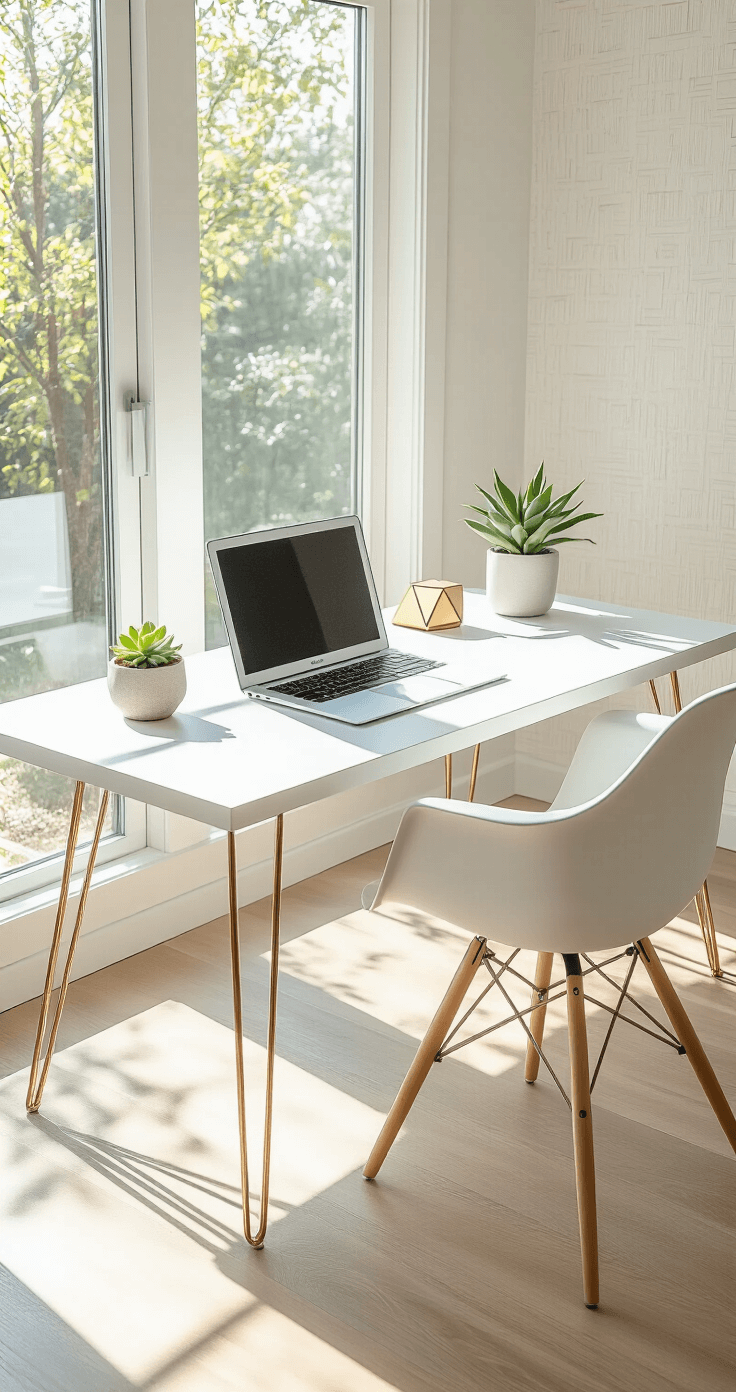
These desks usually feature simple rectangular surfaces with hairpin legs or straight supports.
Perfect for small spaces because they don’t visually clutter the room.
Pair with a modern ergonomic chair and you’ve got that tech startup aesthetic.
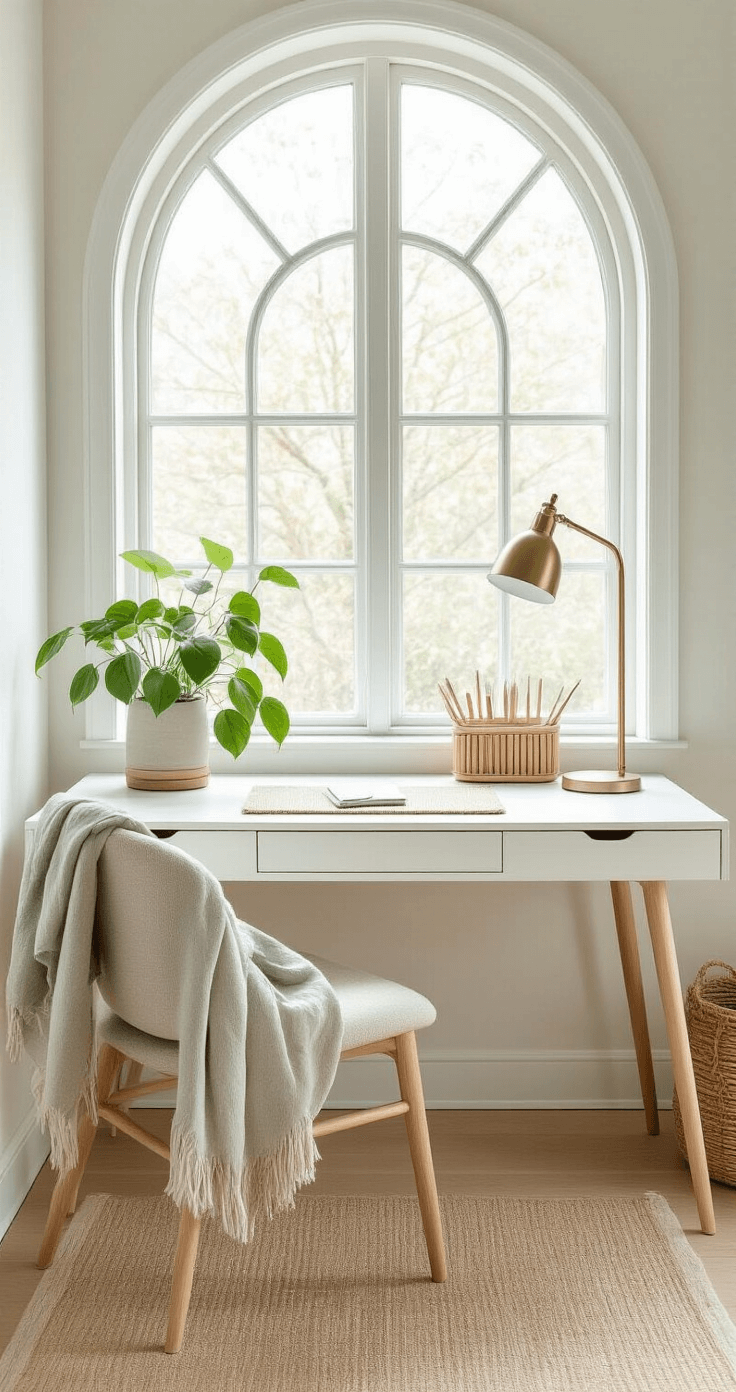
Think rounded edges, light wood accents, and that cozy-but-functional vibe.
These white desks often combine white surfaces with natural wood legs or drawer fronts.
I’ve styled mine with a bamboo desk organizer and some simple plants—instant hygge.
Traditional
White desks with carved details, multiple drawers, and more substantial proportions.
These work beautifully in classic home offices or formal spaces.
Don’t let anyone tell you white only works for modern spaces—a traditional white desk in a room with dark walls looks absolutely stunning.
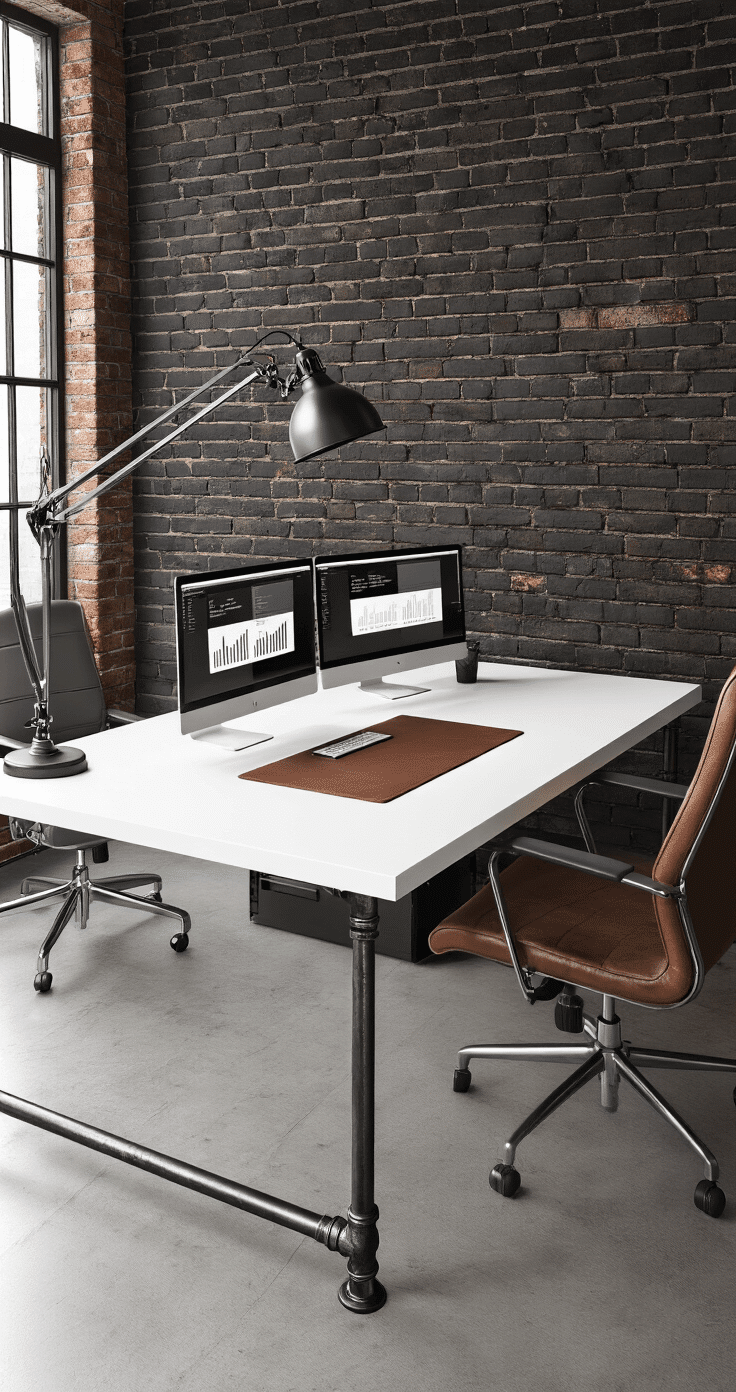
Industrial
White surfaces combined with metal frames or pipe legs.
These bring an edgy, loft-style vibe that works surprisingly well in contemporary homes.
Size Matters: Choosing the Right Dimensions
I made the rookie mistake of buying a desk that looked perfect online but barely fit through my doorway.
Measure everything twice:
- Your available wall space (obviously)
- Your doorways and hallways (less obvious but crucial)
- The height you need (standard is 28-30 inches, but if you’re tall or short, this matters)
- The depth you actually use (do you really need 30 inches deep, or would 20 inches work?)
Width Guidelines
Under 48 inches: Suitable for basic laptop work and writing.
These compact options work in tight spaces but you’ll feel cramped if you need dual monitors or spread out papers.
48-60 inches: The sweet spot for most people.
Room for a monitor (or two small ones), keyboard, mouse, and some workspace for notebooks or coffee cups.
Over 60 inches: Executive territory.
These large white desks accommodate multiple monitors, extensive paperwork, or elaborate setups.
Only get one if you have the space—a too-large desk makes a room feel cluttered rather than spacious.