
This post may contain affiliate links. Please see my disclosure policy for details.
Can You Put a Desk in a Bedroom? Here’s How to Make It Actually Work
A desk in a bedroom isn’t just possible—it can transform an overlooked corner into your most productive spot without wrecking the room’s peaceful vibe.
I’ve wrestled with this exact problem in three different apartments, and I’m going to tell you exactly what works and what absolutely doesn’t.
The biggest worry people have is turning their bedroom into a depressing office cubicle. Valid concern. Nobody wants to stare at spreadsheets while trying to fall asleep.
But here’s the thing: placement matters more than the desk itself. Get that right, and you’ll wonder why you didn’t do this sooner.
Where to Actually Put the Thing
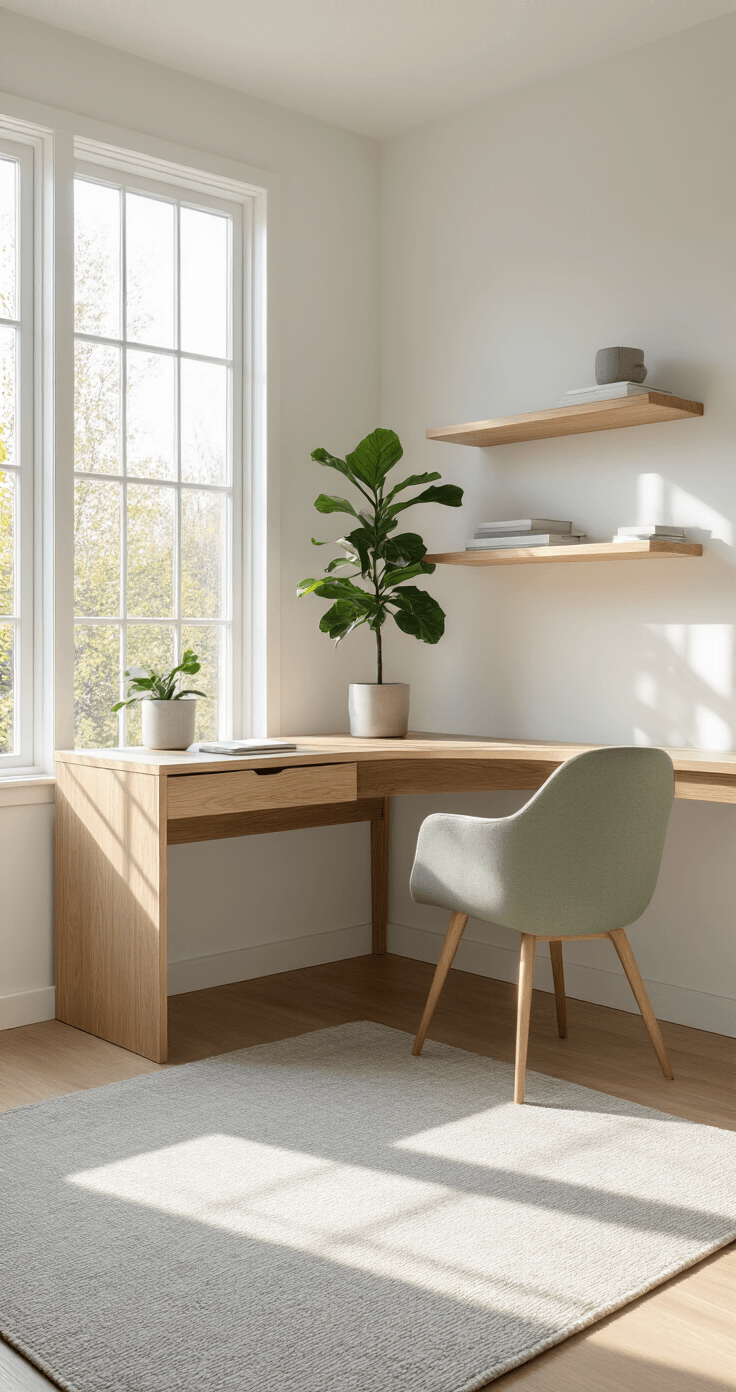
Corner Desks Are Secretly Brilliant
I ignored corner desks for years because they looked clunky in photos. Huge mistake.
A corner desk uses two walls at once, giving you tons of workspace without eating up the middle of your room.
- Doubles your surface area
- Keeps the floor open
- Makes small rooms feel bigger, not smaller
Stick some floating wall shelves above it, and suddenly you’ve got storage that doesn’t take up a single inch of floor space.
That Weird Alcove Nobody Uses
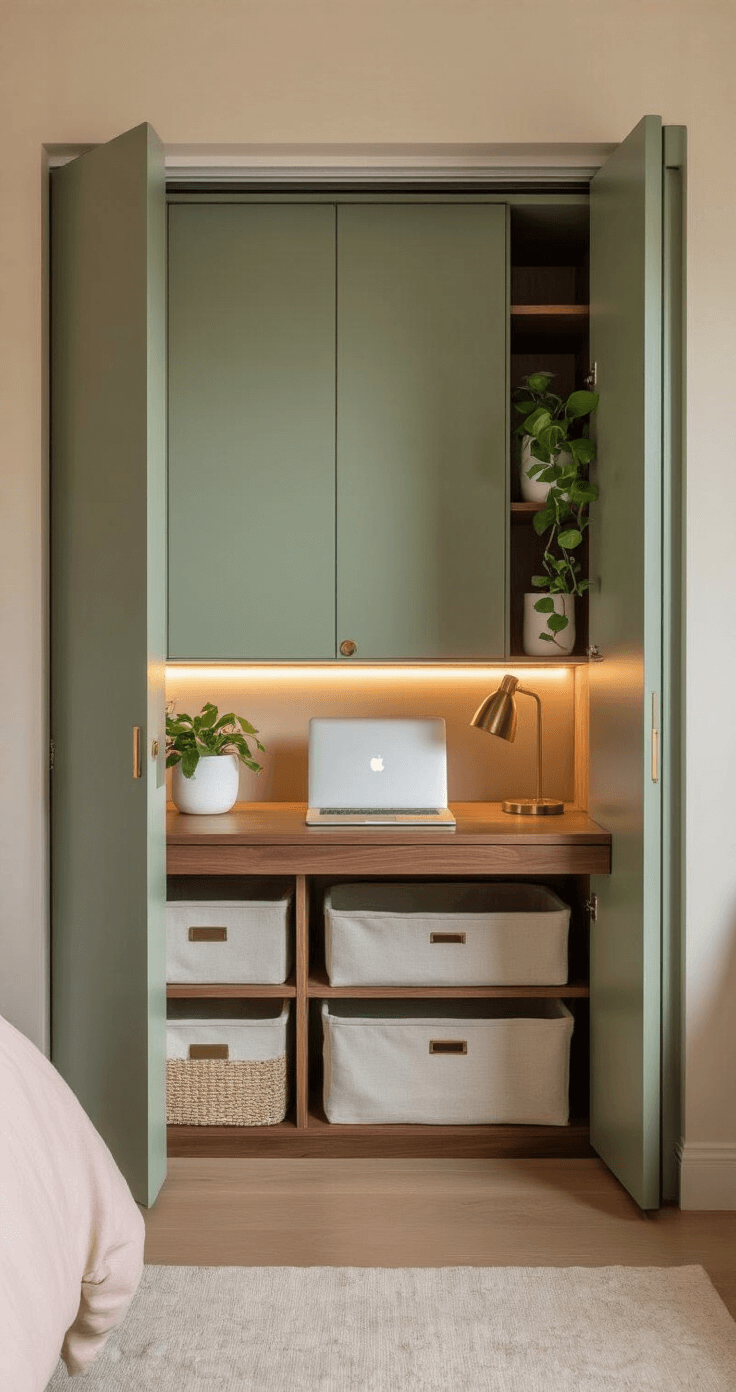
You know that awkward space near your window that collects random stuff? Perfect desk spot.
I shoved a simple shelf under my bay window last year, and it’s now my favorite place to work. Natural light all day. No additional furniture crowding the room.
Bay windows and alcoves are seriously underrated because they’re spaces you’d never use otherwise.
Pro move: Measure twice, buy once. These spots have weird dimensions, so don’t eyeball it.
The Disappearing Desk Trick
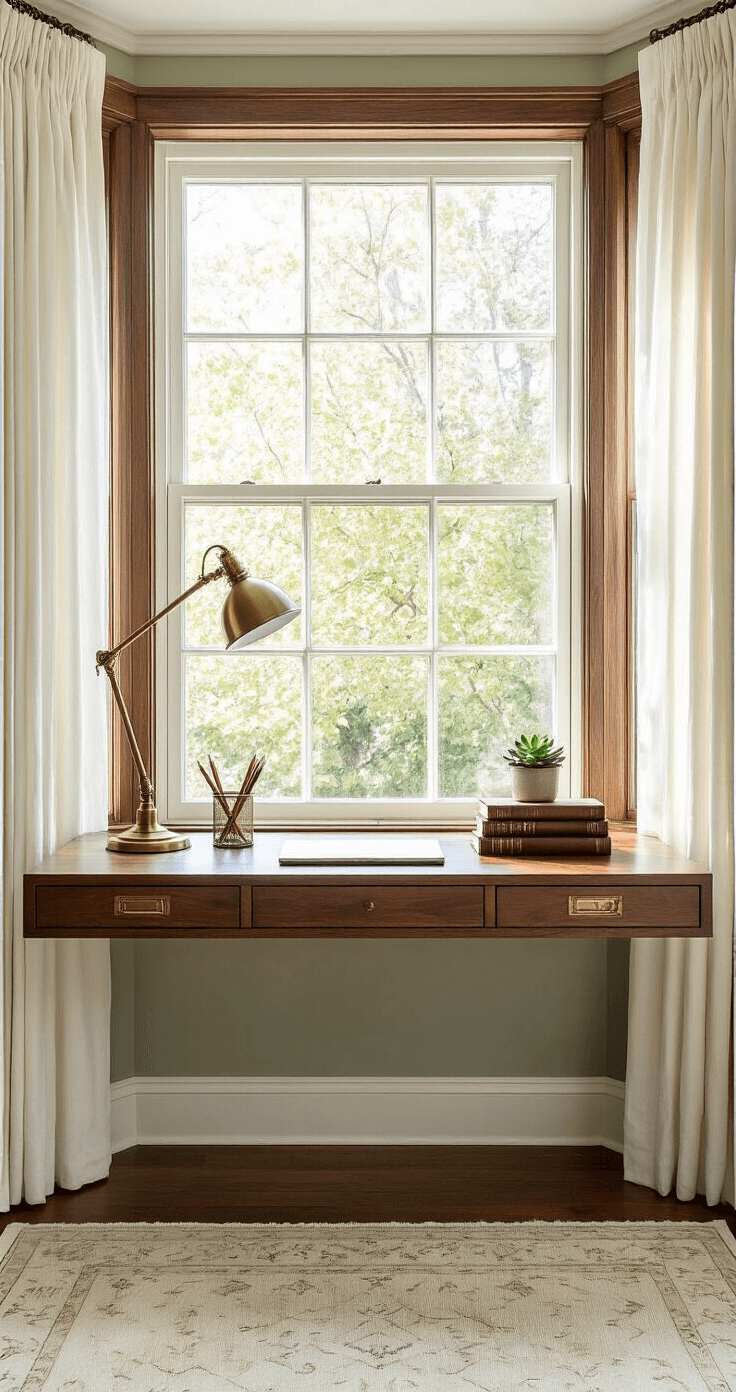
Want to completely separate work from sleep? Hide the entire workspace.
I visited a friend who had what looked like a normal wardrobe until she opened it—full desk setup inside. Mind blown.
Your options here:
- A room divider curtain you can pull across
- Sliding wardrobe doors
- Built-in “cloffices” (closet + office, apparently that’s what we’re calling them now)
The psychological benefit is real. When the desk disappears, work disappears with it.
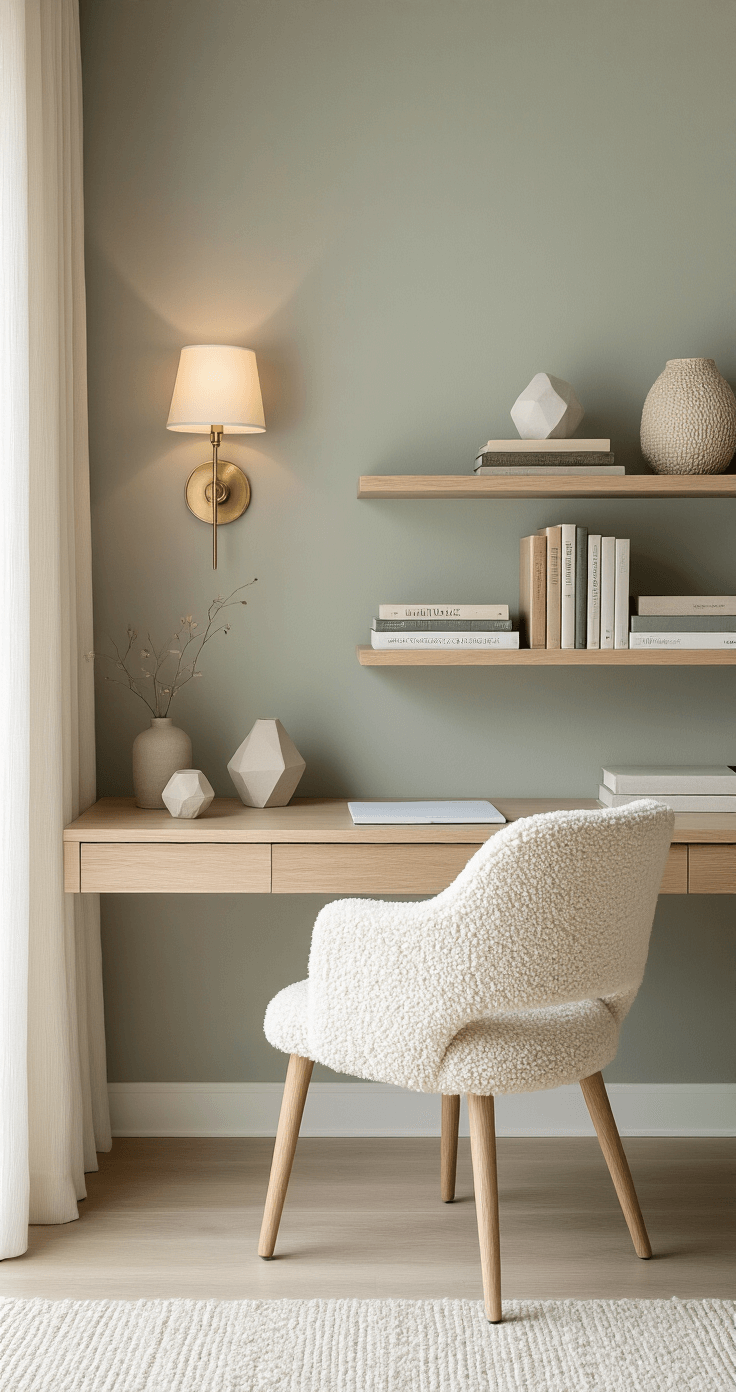
Floating Desks Look Expensive But Aren’t
A floating wall-mounted desk was my solution in a tiny bedroom where floor space was premium.
They look sophisticated as hell. They’re surprisingly affordable. They can pull double duty as a vanity table.
Bonus: You can slide storage baskets or a small stool underneath when you’re not working.
The visual lightness keeps your bedroom from feeling cramped.

How to Place It Without Ruining Everything
Location Matters More Than You Think
I once put a desk directly across from my bed. Terrible idea. Couldn’t stop thinking about unfinished work while trying to sleep.
Better placement strategy:
- Choose the quietest corner possible
- Keep it away from the bed’s direct sightline
- Near a window if you can swing it
- Away from the door if people constantly walk by
Natural light makes such a massive difference. I’m more productive, less grumpy, and my electric bill is lower.
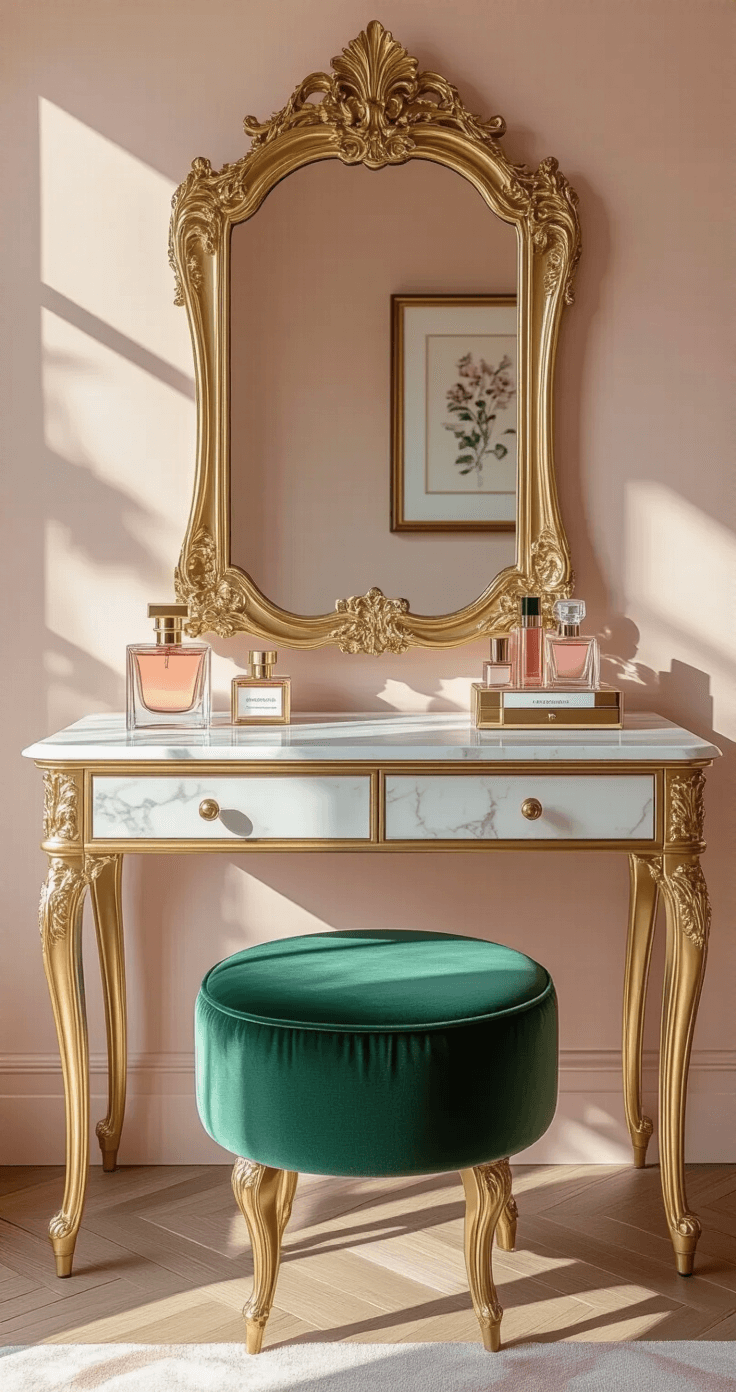
Create Mental Boundaries
Your brain needs to know when you’re working and when you’re sleeping.
I use a simple area rug under my desk zone. Sounds silly, but it works.
Easy boundary options:
- A small rug that defines the “work area”
- A curtain you can pull (see above)
- A bookshelf positioned as a partial room divider
- Different lighting for work versus sleep zones
The goal is making your brain think “work mode” when you sit down and “sleep mode” when you climb into bed.
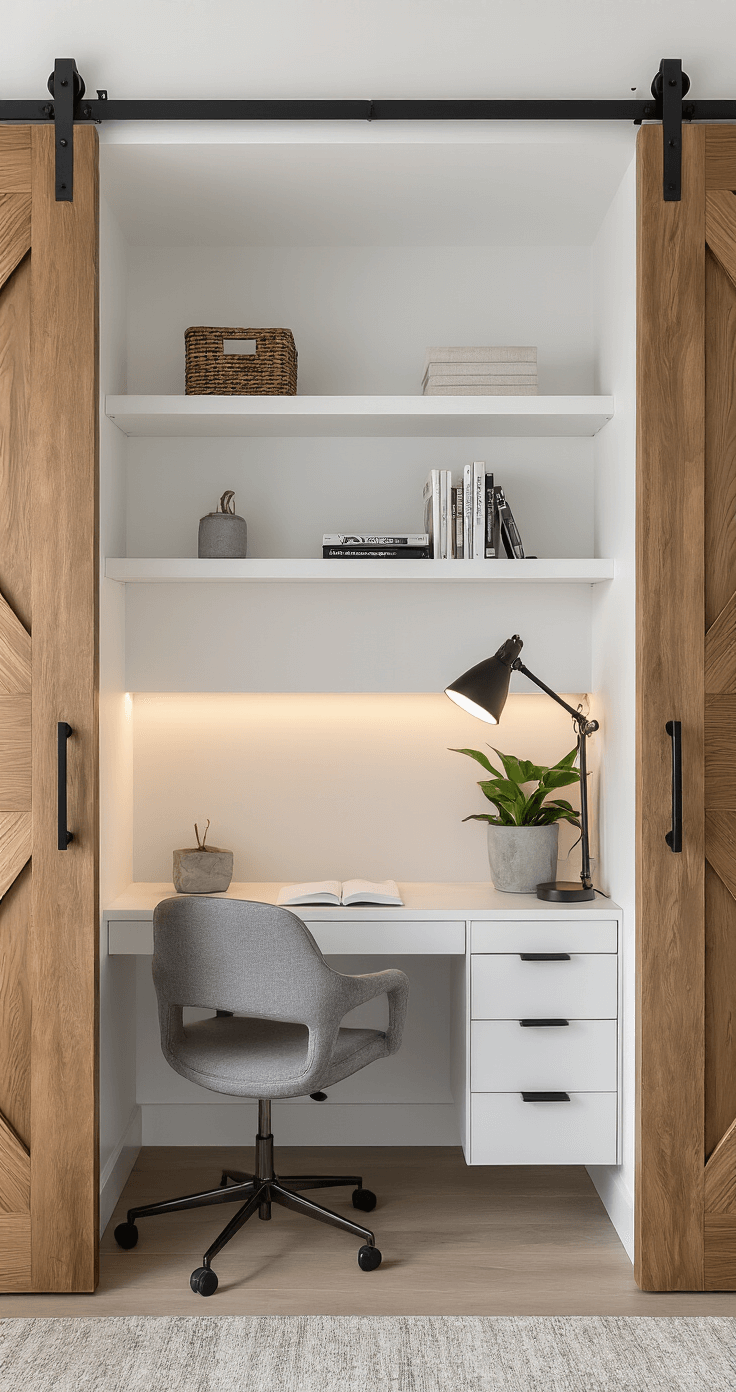
Match Your Bedroom’s Vibe
Don’t bring in a gray metal office desk if your bedroom is all soft pastels and white furniture. You’ll hate looking at it.
I picked a wooden desk with the same finish as my nightstand. Looks intentional instead of like I grabbed random furniture.
Coordination checklist:
- Match wood tones or metal finishes
- Keep colors within the same family
- Choose similar style (modern, rustic, minimalist,