
This post may contain affiliate links. Please see my disclosure policy for details.
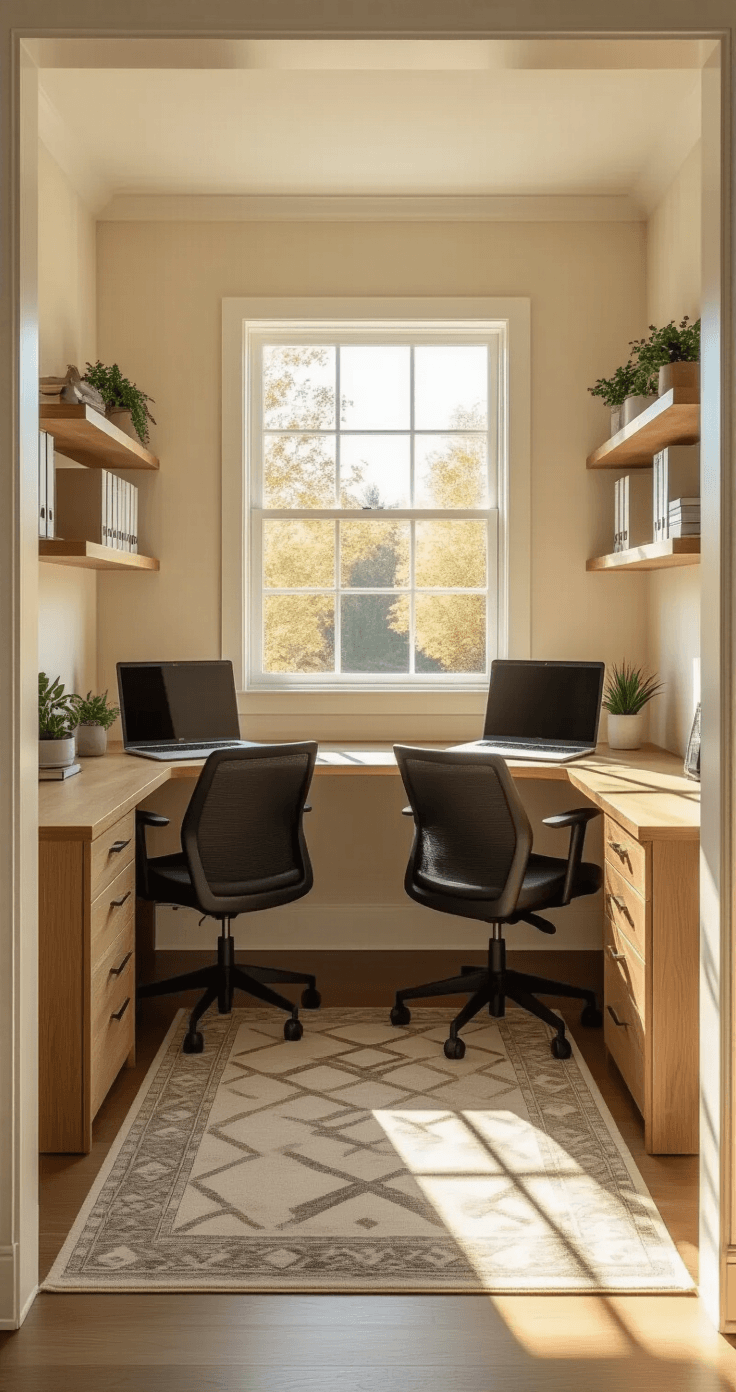
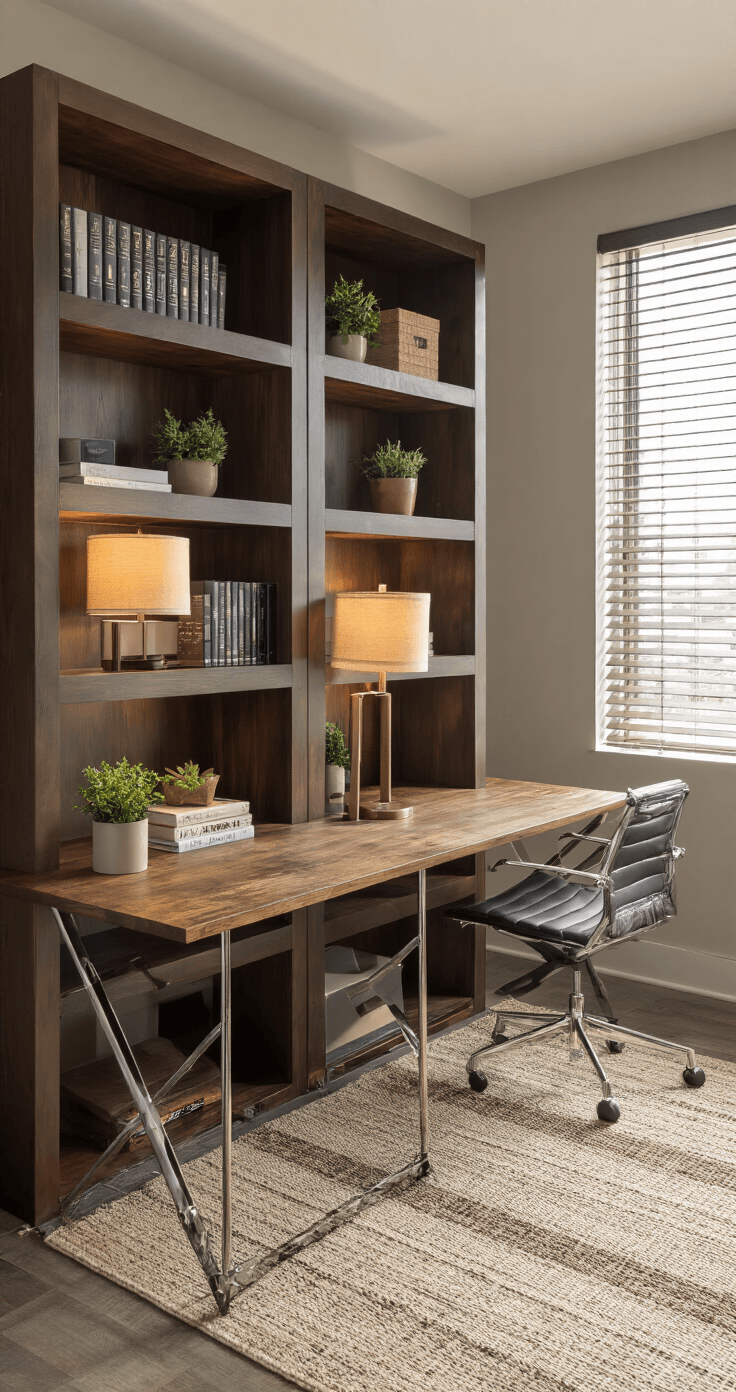
L-shaped and long dual desks are the most space-efficient options
when you’re trying to cram two productive humans into what feels like a glorified closet.
I get it.
You’re staring at your spare bedroom—or worse, a corner of your living room—wondering how on earth you’ll fit two desks without turning your home into a furniture obstacle course.
Maybe you’ve started working from home alongside your partner, or perhaps you need a dedicated homework station for your teenager while you tackle your own projects.
Whatever brought you here, you’re dealing with the same headache: too many people, not enough square footage.
Let me walk you through this without the fluff.
Why Most People Get Two-Desk Layouts Completely Wrong
Here’s what typically happens: someone buys two standard desks, shoves them against opposite walls, and suddenly the room feels like a claustrophobic maze where you’re bumping into chair backs and tripping over power cords.
Sound familiar?
The problem isn’t the room—it’s the approach.
I’ve set up dozens of dual workspaces over the years, from tiny apartments to converted attics, and the solution almost always comes down to one thing: thinking about the configuration before you buy furniture.
Not after.
Before.
The Configurations That Actually Work (And Won’t Make You Hate Each Other)
L-Shaped: The Corner Champion
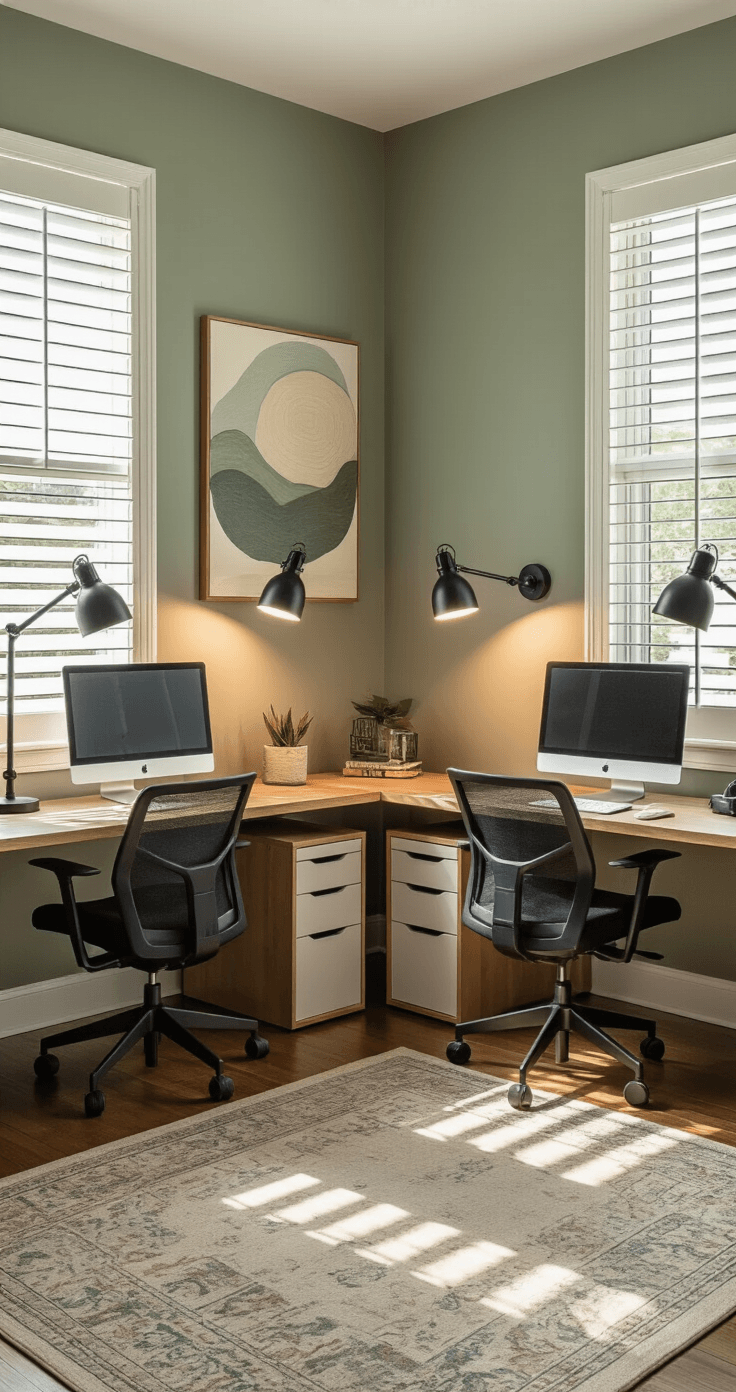
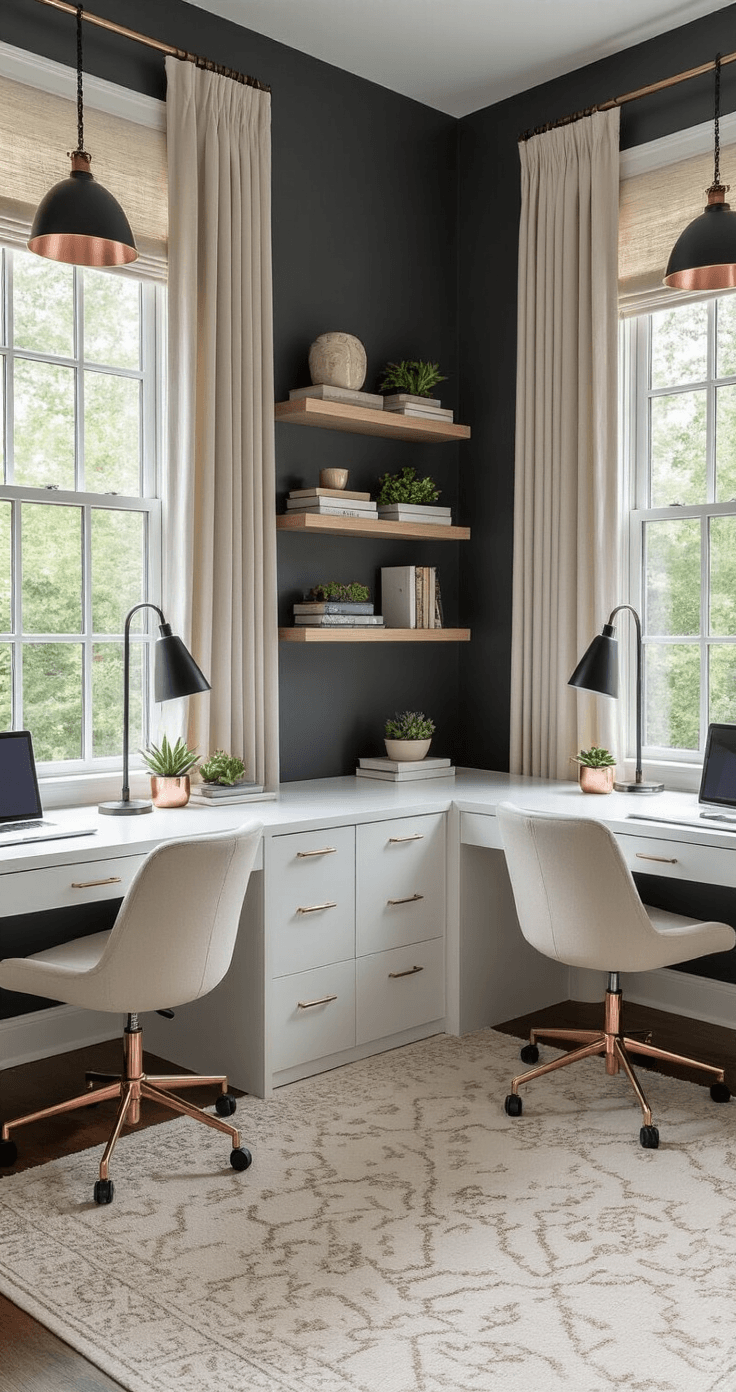
L-shaped desks fit into corners like they were born there, giving each person their own defined workspace without eating up your entire floor plan.
I installed one in my own home office when my partner started remote work, and honestly, it saved our relationship.
Here’s why this setup wins:
- Maximum desk surface with minimum footprint
- Each person gets their own “side” without physical barriers
- The corner becomes functional instead of dead space
- You can easily share a printer or supplies in the middle section
- L-shaped desk configurations come in endless variations to match your exact dimensions
The trick is measuring your corner first—and I mean really measuring it, not eyeballing it while holding your phone sideways.
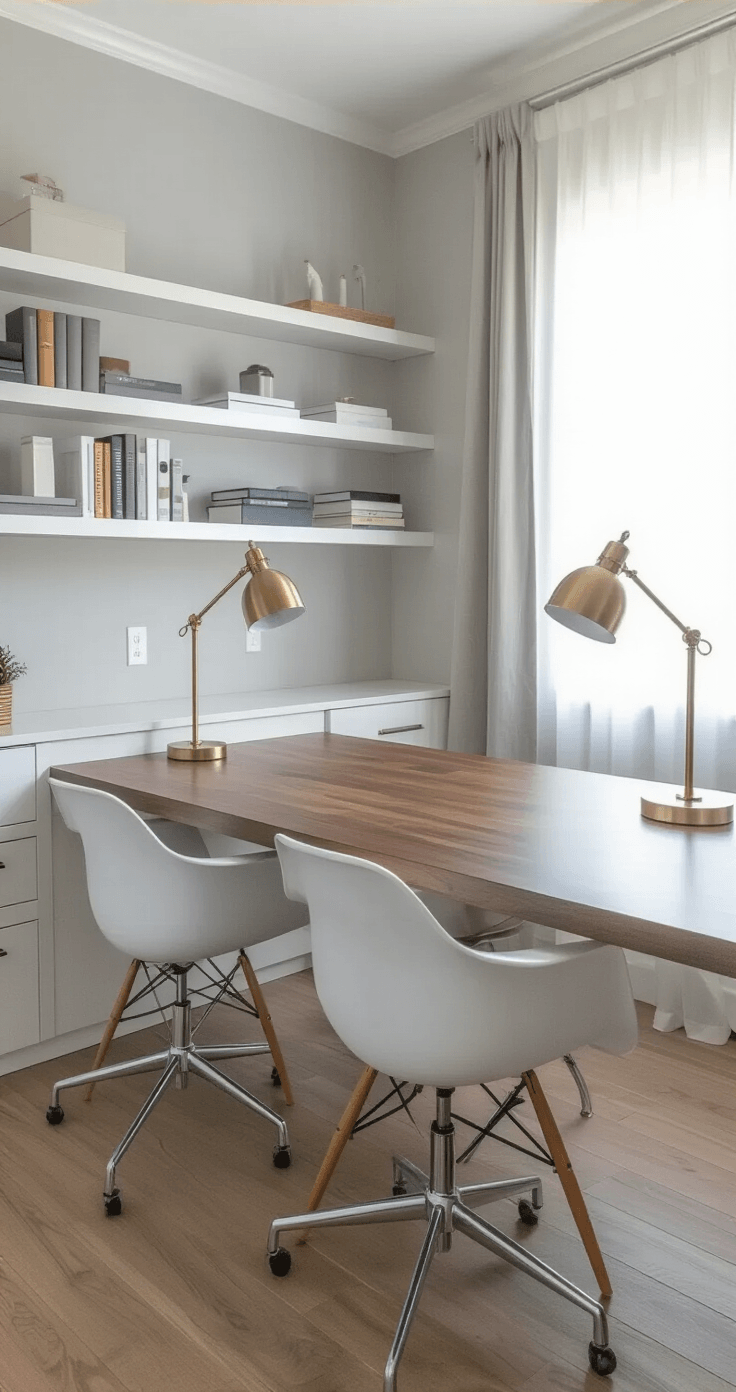
Long Straight Desks: The Conference Table Approach
Picture a long table with one person on each side, facing each other.
This works beautifully if you both need substantial workspace and don’t mind seeing each other throughout the day.
My friend Sarah uses this setup in her 10×10 office with her husband.
They positioned a long desk table running the length of the room—about 72 inches—giving them each 36 inches of personal territory.
Benefits of the straight-desk approach:
- Creates a collaborative, team-like atmosphere
- Easy to share documents or brainstorm together
- Simplified cable management along one central line
- Works in narrow rectangular rooms where L-shapes won’t fit
The downside?
Video calls become awkward fast when you’re both on Zoom simultaneously.
Back-to-Back: The Privacy Play
Position two desks so you’re sitting with your backs to each other.
This configuration gives you both privacy and reduces visual distractions when you need to focus on spreadsheets instead of whatever Netflix show your office mate is “definitely not watching.”
I used this layout when sharing an office with my sister during tax season.
It cut our distraction rate by about 70%—no joke.
We weren’t constantly making eye contact or getting pulled into conversations when we should’ve been working.
The catch: video calls turn into a comedy routine when you’re both talking to screens at the same time.
You’ll need to coordinate schedules or invest in good noise-canceling headphones.
Side-by-Side: When You’ve Got Room to Breathe
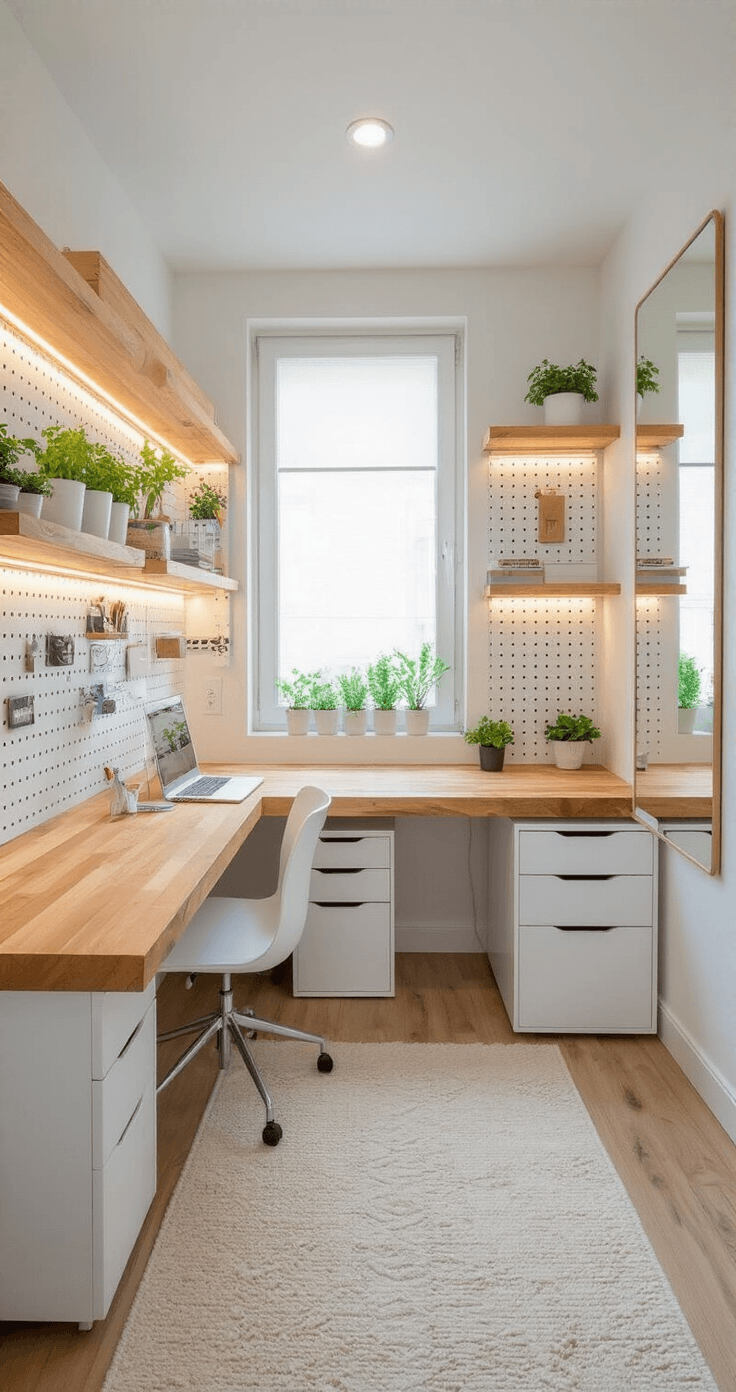
If you’re blessed with actual square footage—we’re talking at least 12×12 feet—placing desks side by side against one wall works wonderfully.
This gives you:
- Individual workspace boundaries
- Easy collaboration when needed
- Simplified lighting setup
- Clear floor space in the center of the room
Just make sure you leave at least 24 inches between the desks so chairs can move freely without constant collisions.
What to Figure Out Before You Buy a Single Piece of Furniture
I learned this the hard way: buying desks before planning is like buying ingredients before checking the recipe.
Sit down with your office-mate and hash out these questions:
- How many video calls do each of you take daily?
- Do you need silence to concentrate, or can you handle background noise?
- How many monitors will each setup require?
- What storage needs does each person have? (Files, supplies, equipment)
- Do you need shared resources like printers or reference materials?
- What are your working hours? (Different schedules reduce conflicts)
When my partner and I skipped this conversation initially, we ended up with desks that looked great but created constant tension because we hadn’t considered that we both needed quiet during morning calls.
Write this stuff down.
Your future self will thank you when you’re not returning furniture for the third time.
Space-Saving Tricks That Don’t Require a Degree in Tetris
The 42-Square-Foot Miracle
Yes,