
This post may contain affiliate links. Please see my disclosure policy for details.
Stop Feeling Guilty About Screen Time
Let me tell you about my friend Sarah’s breakthrough moment. Her 5-year-old was struggling with basic math concepts. Homework sessions ended in tears (both of theirs). Then she stumbled upon educational math games and everything shifted.
Within two weeks, her daughter was asking to do “math games” before bedtime. The crying stopped. The learning accelerated.
Here’s what educational games deliver that traditional methods often miss:
- Instant feedback – Kids know immediately if they’re on the right track
- Adaptive difficulty – Games adjust to your child’s skill level automatically
- Repetition without boredom – They’ll practice the same concept 50 times without realizing it
- Confidence building – Small wins create momentum for bigger challenges
The Heavy Hitters: Platforms That Actually Deliver Results
ABCya: The Classroom Favorite
ABCya covers PreK through Grade 6 with laser focus on core subjects. Their math games turn multiplication tables into adventures. Reading activities feel like interactive stories. Typing games prepare kids for a digital world.
I’ve watched my nephew go from hunt-and-peck typing to touch typing in three months using their programs.
Kiddopia: Perfect for the Little Ones
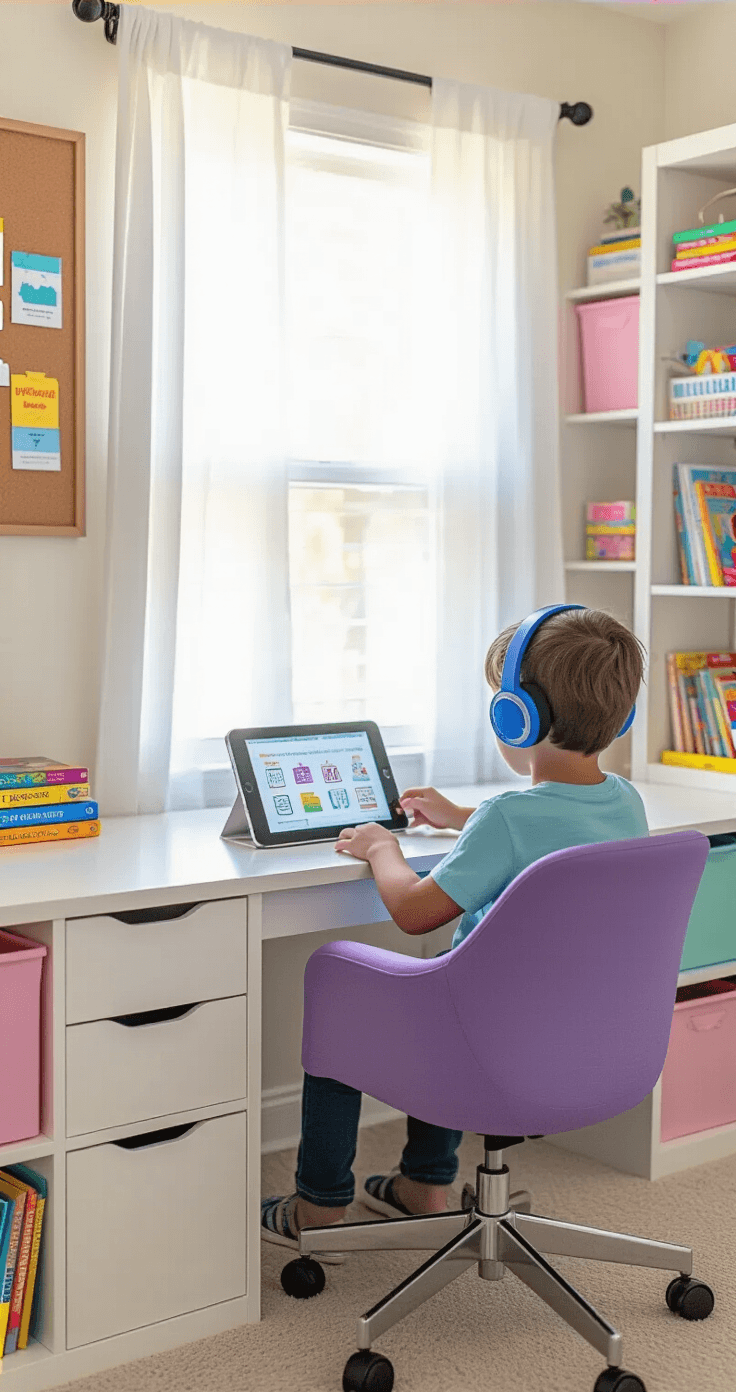
Kiddopia targets ages 2-7 with surgical precision. The puzzles build spatial reasoning. Math activities introduce numbers naturally. Science experiments spark curiosity. Reading games develop phonics without pressure.
The interface is so intuitive that my 3-year-old niece navigates it independently.
FunBrain: The Academic Powerhouse
FunBrain doesn’t mess around with entertainment fluff. Their games tackle serious academic ground:
- Advanced math concepts
- Complex grammar rules
- Scientific principles
- Historical events
- Advanced spelling patterns
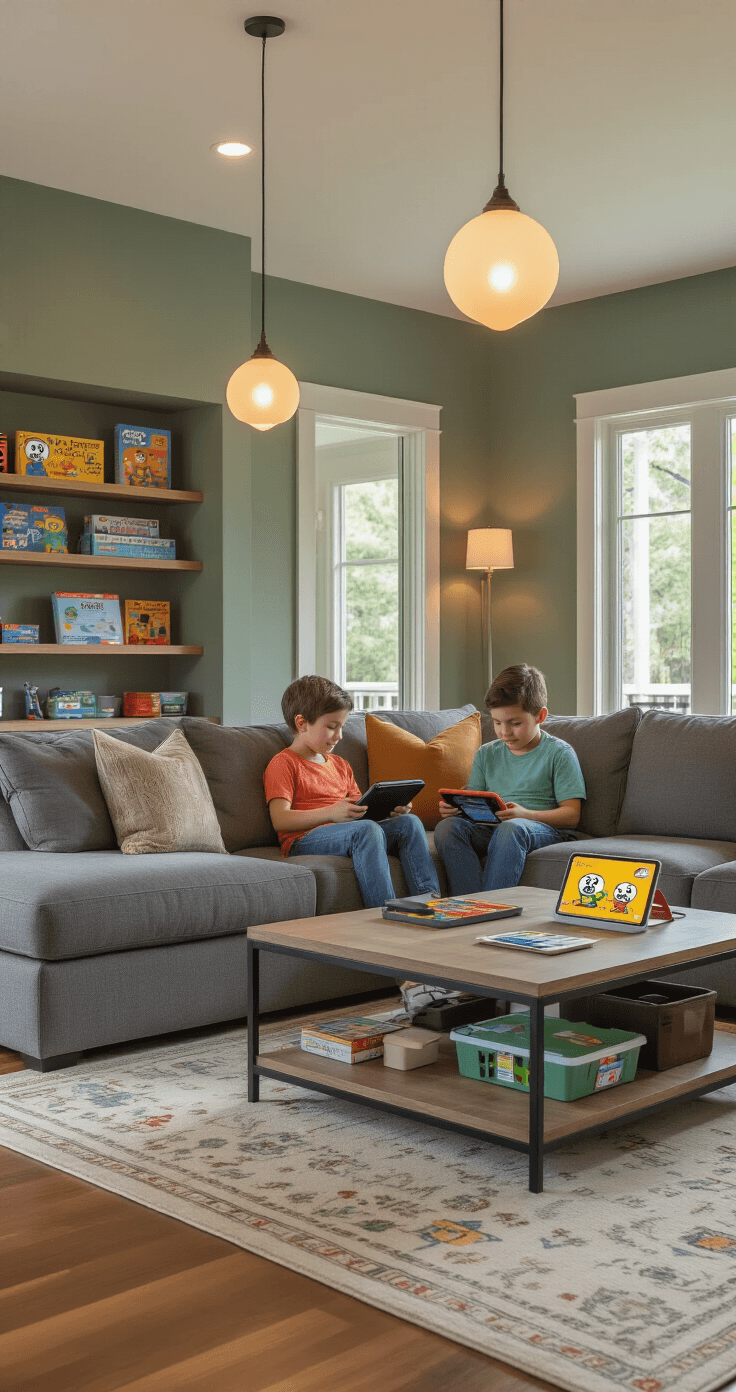
Character-Based Learning: When Familiar Faces Teach
PBS KIDS leverages the power of beloved characters. Daniel Tiger teaches emotional regulation. Curious George explores scientific concepts. Arthur navigates social situations.
Sesame Street games bring decades of educational expertise to digital platforms. Elmo makes learning letters feel like play. Cookie Monster turns counting into comedy. Big Bird guides reading adventures.
Starfall combines systematic phonics instruction with engaging activities. Their reading program follows research-based sequences. Math concepts build logically from simple to complex.
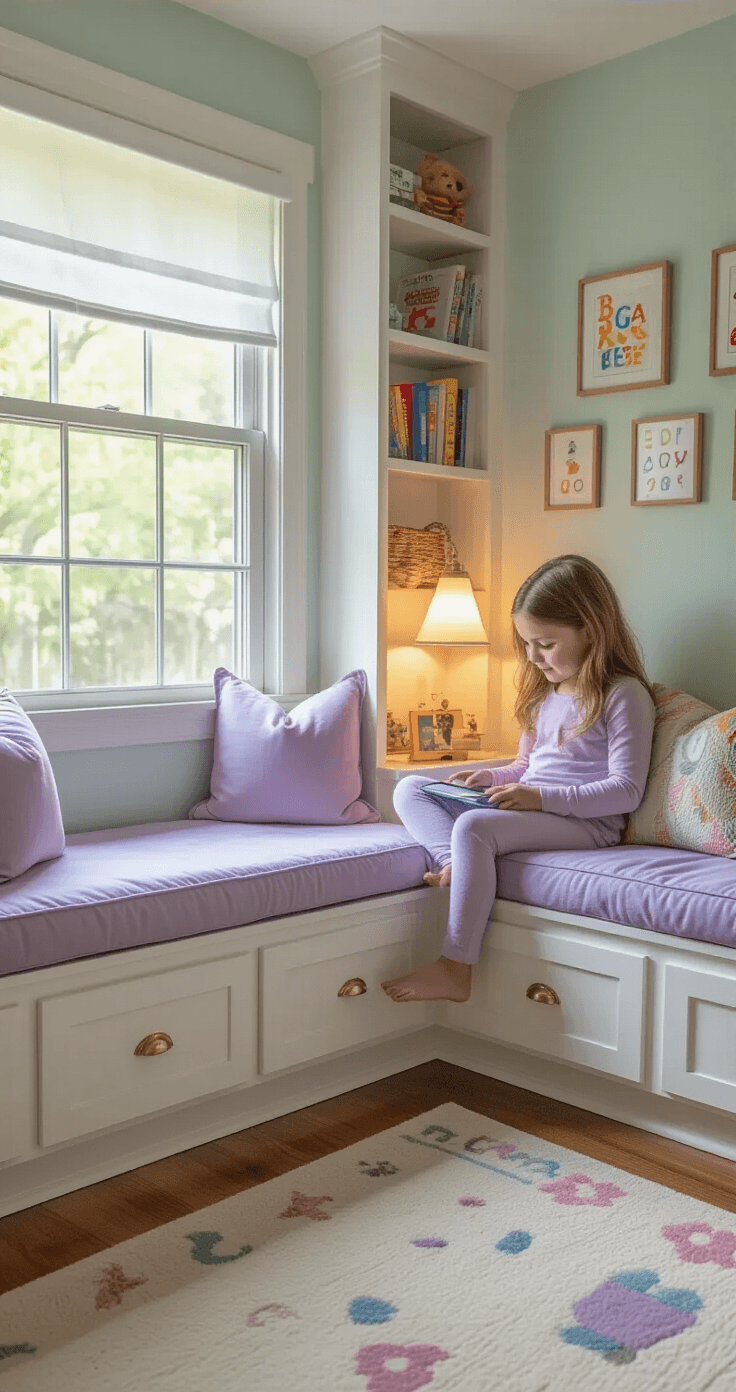
The Secret Sauce: Multiple Skills in One Package
Educational games are multitasking masters. While your child thinks they’re playing, they’re developing:
Critical Thinking Skills:
- Pattern recognition
- Logical reasoning
- Cause-and-effect understanding
- Strategic planning
Problem-Solving Abilities:
- Breaking complex problems into steps
- Testing different approaches
- Learning from mistakes
- Persistence through challenges
Creative Expression:
- Open-ended exploration
- Artistic activities
- Storytelling opportunities
- Musical experimentation
Motor Skill Development:
- Hand-eye coordination
- Fine motor control
- Spatial awareness
- Reaction time improvement

I’ve seen remarkable improvements in kids with learning differences. The multi-sensory approach reaches different learning styles simultaneously. For English language learners, visual cues and interactive elements provide context that traditional methods often lack.
Game Types That Keep Kids Coming Back
Puzzle Games: Brain Builders
Logic puzzles strengthen reasoning skills. Jigsaw puzzles develop spatial intelligence. Word puzzles expand vocabulary naturally.
Cooking Games: Math in Disguise
Measuring ingredients teaches fractions. Following recipes builds sequencing skills. Time management develops planning abilities.
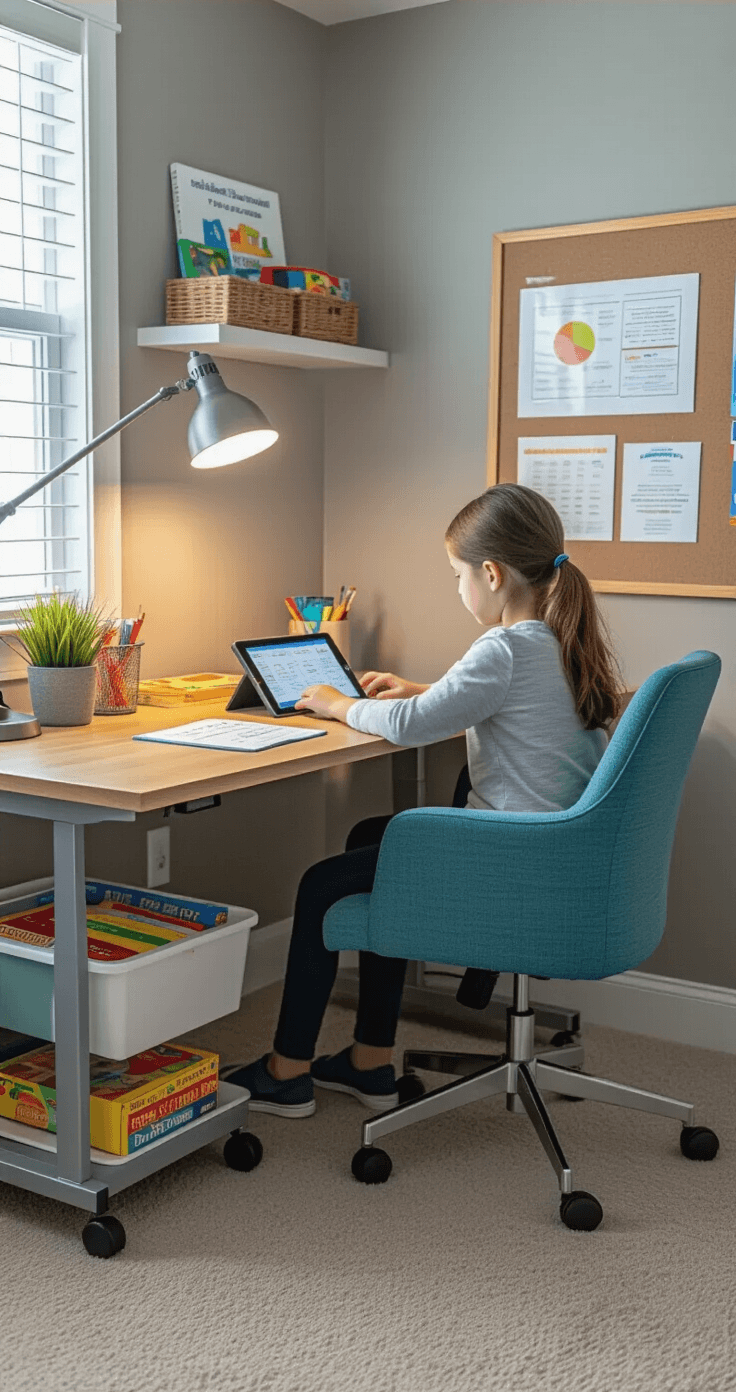
Music Games: Rhythm and Learning
Beat matching improves timing. Melody games enhance auditory processing. Composition activities encourage creativity.
Free-Play Options: Unstructured Exploration
Open-world games encourage discovery. Creative tools foster self-expression. Experimentation builds confidence.
Real-World Access: Beyond Home Screens
Libraries have become gaming hubs. Santa Clara City Library offers over 400 educational games for Pre-K through 6th grade. Many libraries provide educational tablets for kids for in-library use.
Schools integrate these platforms into daily instruction. Teachers use games for:
- Morning warm-up activities
- Center rotations
- Remediation support
- Enrichment challenges
- Assessment tools
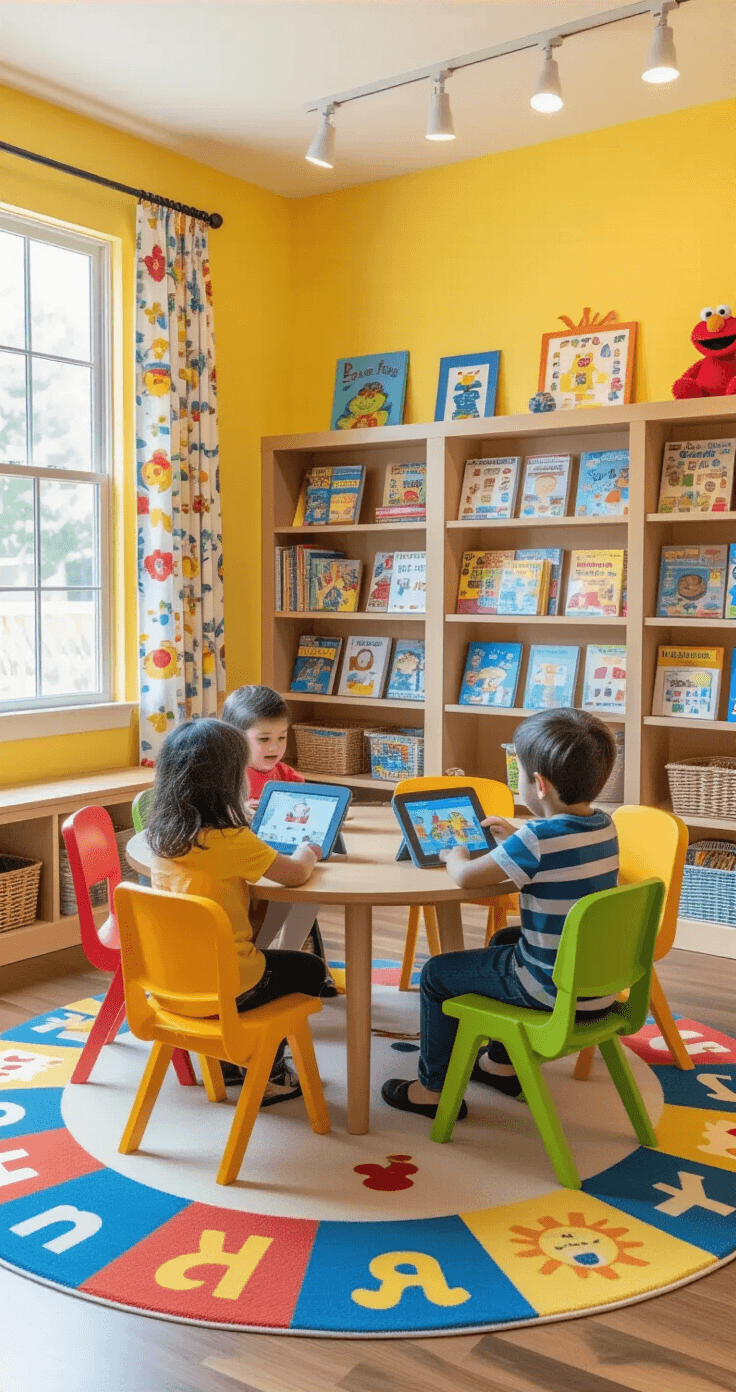
Safety First: Parental Controls That Actually Work
Modern educational platforms prioritize safety. Look for these essential features:
- Ad-free environments – No commercial interruptions or inappropriate content