
This post may contain affiliate links. Please see my disclosure policy for details.
Executive Desk: Your Complete Guide to Choosing the Perfect Command Center for Your Office
Executive desks have always intimidated me a little, if I’m being honest.
You walk into a corner office and there it is—this massive, imposing piece of furniture that practically screams “important decisions happen here.”
But here’s what I’ve learned after years of working from various desks (including a wobbly IKEA nightmare that nearly destroyed my back): the right executive desk isn’t about intimidation.
It’s about creating a workspace that actually works for you.

What Exactly Makes a Desk “Executive” Anyway?
Look, I’m not going to bore you with corporate jargon.
An executive desk is basically a high-end workspace designed for people who need serious real estate for their work.
We’re talking professional-grade construction, built-in storage that actually makes sense, and enough surface area that you won’t be playing Tetris with your laptop, coffee mug, and that stack of papers you keep meaning to file.
These beauties come in three main configurations:
- Pedestal desks – The classic rectangle with drawers on one or both sides
- L-shaped desks – Perfect for spreading out or creating distinct work zones
- U-shaped desks – When you need maximum workspace and basically want a cockpit
Most include drawers, sometimes hutches (those overhead storage units), and organizational features that keep your workspace from looking like a paper tornado hit it.
The Material Question: What’s Your Desk Actually Made Of?
This is where things get interesting.
I’ve sat behind desks made from everything imaginable, and trust me, material matters way more than you’d think.
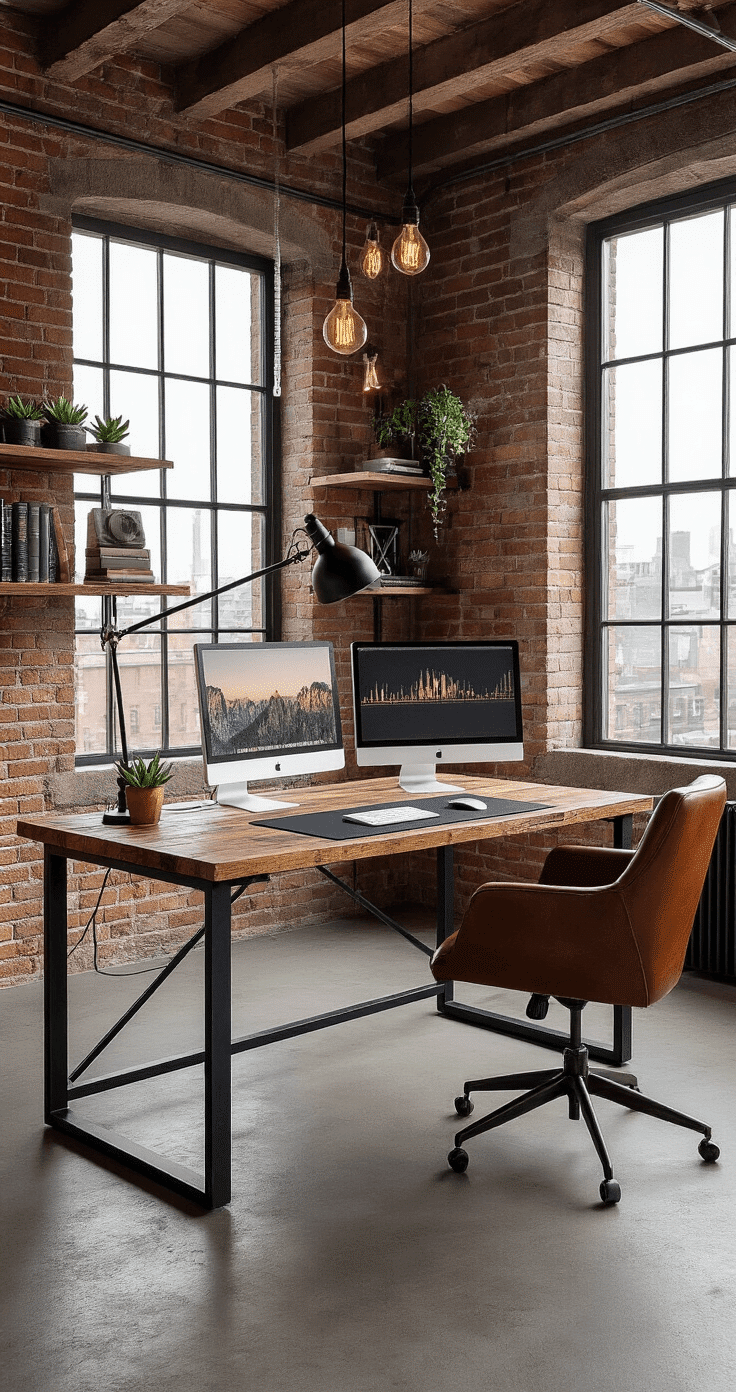
Solid Wood: The Heavyweight Champion
Solid wood executive desks are the real deal.
We’re talking oak, walnut, cherry—the kinds of wood that make you want to run your hand across the surface just because it feels substantial.
I remember the first time I worked at a genuine walnut desk.
The weight, the grain, the way it didn’t wobble even slightly when I leaned on it during a particularly frustrating conference call—it just felt right.
Why I love solid wood:
- Lasts basically forever (we’re talking decades, not years)
- Can be refinished if you scratch it up
- Develops character over time instead of just looking worn
- Makes you feel like you’re running a 1950s publishing house (in a good way)
The reality check:
- Prices start around $500 and can climb past $2,000 faster than you can say “quarterly budget”
- Heavy as hell (moving day will not be fun)
- Needs occasional care and feeding with wood furniture polish
If you’re setting up a luxury executive office and want something that’ll outlive your career, a solid wood executive desk is your move.
Metal: The Industrial Powerhouse
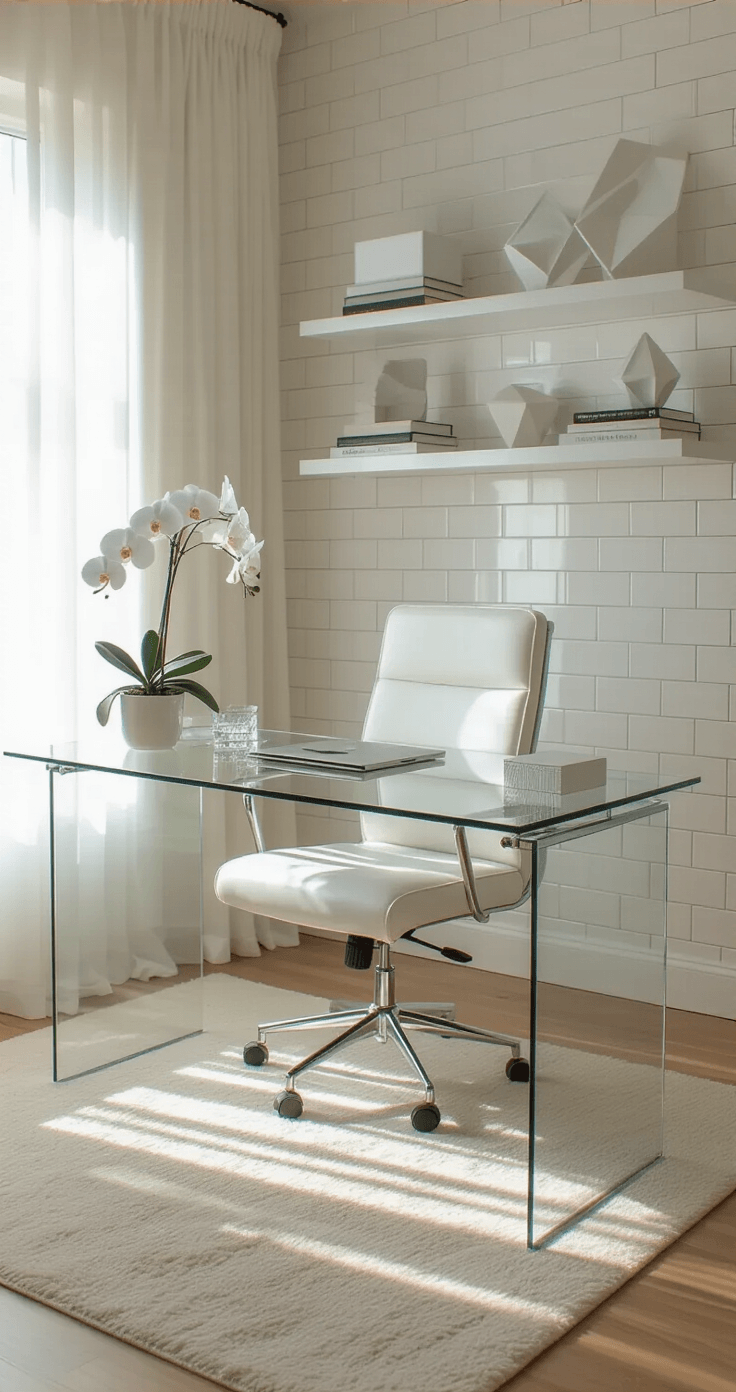
Metal desks don’t mess around.
Steel or aluminum frames give you a modern, industrial vibe that screams “I mean business, but make it contemporary.”
I worked from a steel-framed desk for three years, and honestly, the thing was indestructible.
Spilled coffee? Wiped off.
Accidentally dropped a heavy binder? Didn’t even dent.
Metal desk advantages:
- Ridiculously durable (five-star durability rating for good reason)
- Low maintenance—just wipe it down
- Modern aesthetic that photographs well for video calls
- Usually lighter than solid wood
Watch out for:
- Can feel cold and industrial (literally and figuratively)
- Rust potential in humid environments—keep rust prevention spray handy
- Price range of $400-$900 puts it in mid-to-high territory
A metal frame executive desk works brilliantly in modern industrial offices or if you’re going for that startup-founder aesthetic.
Glass: The Contemporary Showstopper
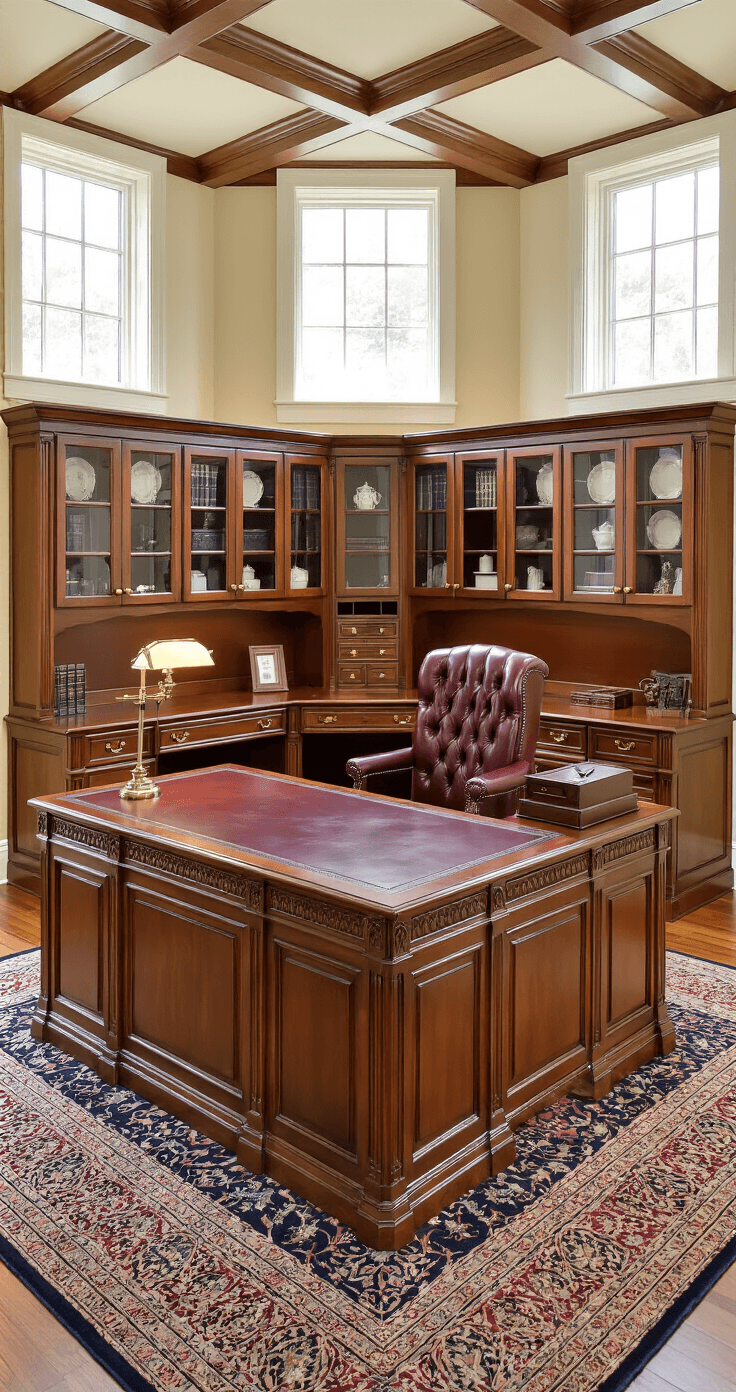
Glass desks are gorgeous.
No argument there.
They make small offices feel bigger, they photograph like a dream, and they have this clean, minimalist appeal that’s hard to resist.
But—and this is a big but—they’re also fingerprint magnets.
Every. Single. Touch. Shows.
Glass desk pros:
- Opens up space visually
- Contemporary look that never feels dated
- Four-star durability (tempered glass is tough)
- Easy to clean (though you’ll be cleaning constantly)
Glass desk cons:
- Fingerprints everywhere
- Can feel cold to work on
- Shows dust and smudges instantly
- Not great if you like a “lived-in” workspace
Price-wise, you’re looking at $400-$1,200, which isn’t cheap for something that requires constant maintenance.
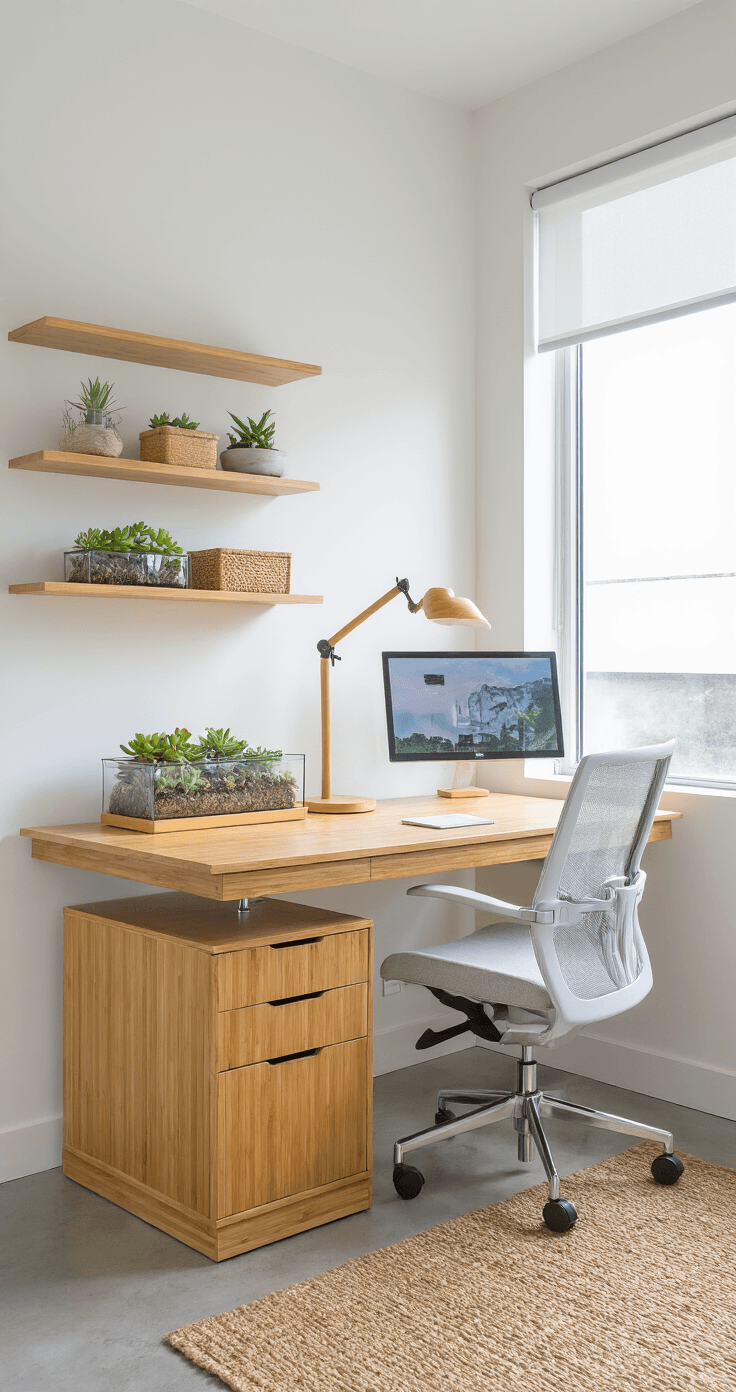
Veneer and Engineered Wood: The Smart Middle Ground
Here’s where I’ll be real with you.
Most of us don’t need a $2,000 solid walnut desk.
Veneer and engineered wood (that’s MDF and plywood with a thin layer of real wood on top) gives you the look of expensive wood at a fraction of the cost.
I’ve worked from several veneer desks, and quality varies wildly.
The good ones? You’d never know they weren’t solid wood unless you lifted them.
The cheap ones? They start falling apart if you look at them wrong.
Budget-friendly engineered options:
- Price range of $200-$800 hits that sweet spot
- Good stability when constructed properly