This post may contain affiliate links. Please see my disclosure policy for details.
Why Your Current “Desk” Is Probably Ruining Your Day
Contents
You know that nagging shoulder tension? The way you can’t find anything? How you close your laptop the second work ends because you can’t stand looking at your “workspace” anymore?
That’s not you. That’s your terrible desk situation.
I spent two years working from a corner of my bedroom with a desk meant for a child. My posture looked like a question mark. My productivity matched my mood—terrible.
Everything changed when I finally admitted I needed a proper workspace.
What Makes a Home Desk Actually Good
A decent home desk isn’t just a flat surface with legs.
Size that fits your actual work
- Most computer desks run 48-72 inches wide and 24-36 inches deep
- Measure your monitors, keyboard, mouse pad, and whatever else you actually use
- Add 6-8 inches of breathing room so you’re not playing desk Tetris every morning
Height you can work with
- Standard desk height sits around 29-30 inches
- If you’re tall or short, this will destroy your wrists and shoulders
- Adjustable height desks let you find your sweet spot
Storage that makes sense
- Drawers beat open shelves for hiding clutter
- Built-in cable management keeps cords from becoming a rat’s nest
- Filing cabinets nearby work better than cramming everything into tiny desk drawers
Build quality that lasts
- Particle board will sag under monitor weight within a year
- Solid wood or metal frames actually survive daily use
- Check weight capacity—cheapo desks max out around 50 pounds
I learned this the hard way when my first “bargain” desk started bowing in the middle after six months. The $150 I saved cost me $400 to replace it with something that didn’t suck.
Different Desk Types (And When Each One Actually Works)
Writing Desks
Simple flat surfaces with minimal storage.
Best for:
- Laptop-only setups
- Small spaces
- People who hate clutter
Terrible for:
- Multi-monitor setups
- Anyone who needs storage
- Serious gaming rigs
I use a simple writing desk in my bedroom for morning journaling. It’s perfect for that. It would be hell for actual work.
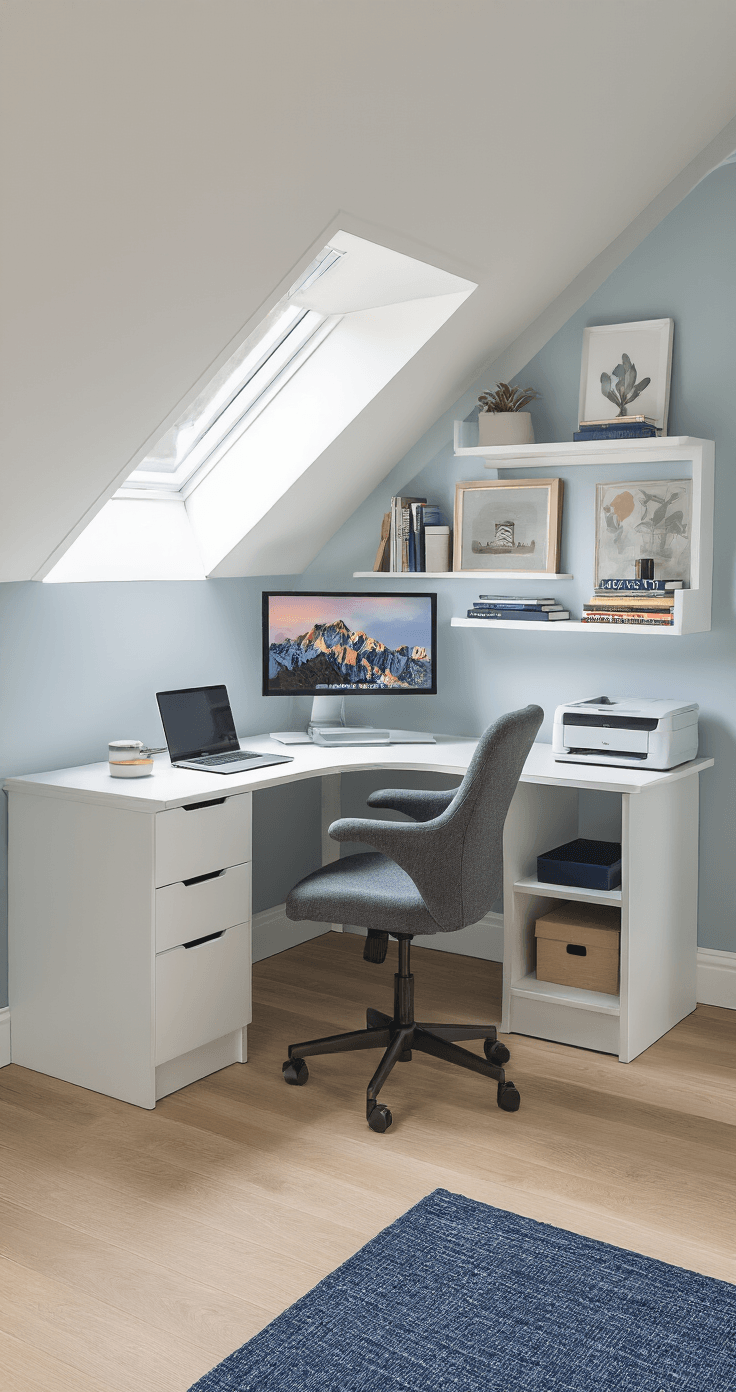
L-Shaped Desks
Corner designs that maximize surface area.
Best for:
- Multiple monitors
- Spreading out paperwork
- Creating zones (computer work vs. paperwork vs. coffee)
Terrible for:
- Tiny rooms
- People who move frequently
- Anyone who hates commitment (these beasts don’t relocate easily)
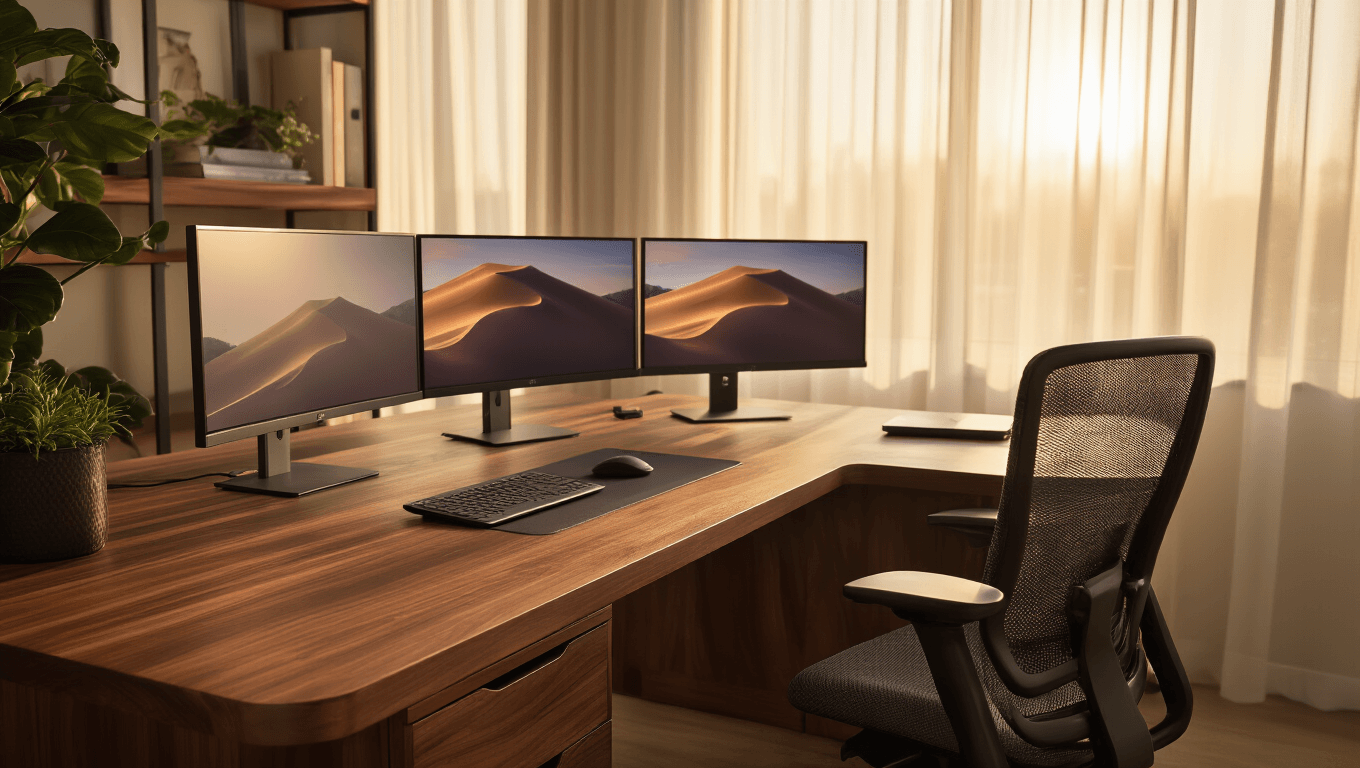
My current L-shaped desk transformed my productivity. I keep my main monitor on one side and use the return for sketching and notes. Game changer.
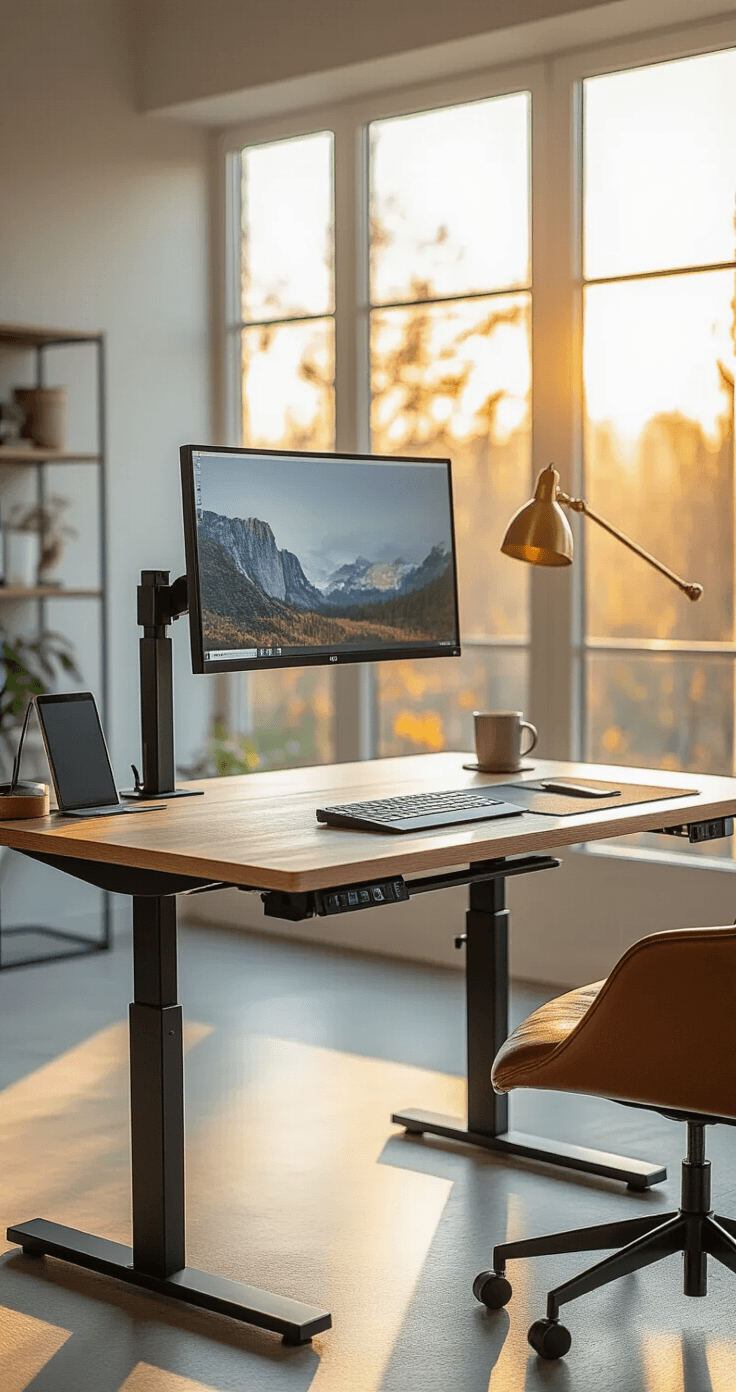
Standing Desks
Adjustable height desks that let you work standing or sitting.
Best for:
- People with back problems
- Anyone who gets antsy sitting all day
- Folks who want options
Terrible for:
- Tight budgets (good ones cost $400+)
- Rooms with low ceilings
- People who know they’ll never actually stand
I was skeptical until I tried a standing desk for a month. Now I stand for about 40% of my workday. My lower back actually thanks me.
Corner Desks
Designed specifically to wedge into corners.
Best for:
- Maximizing awkward spaces
- Small home offices
- Creating a defined workspace in shared rooms
Terrible for:
- People who rearrange furniture seasonally
- Anyone who needs lots of desk space
- Rooms without available corners (obviously)
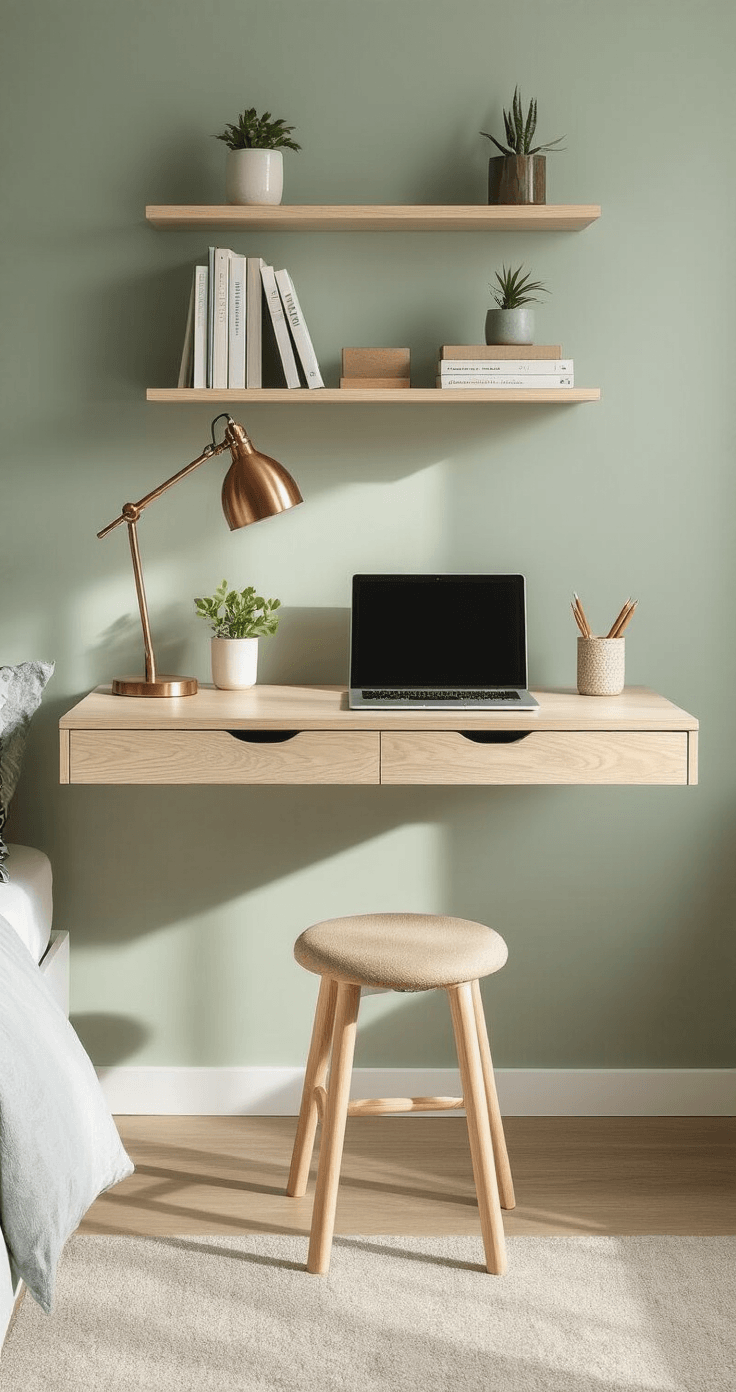
Floating Wall-Mounted Desks
Desks that attach directly to walls with no legs.
Best for:
- Ultra-small spaces
- Modern aesthetics
- People who vacuum frequently
Terrible for:
- Renters who can’t drill into walls
- Heavy equipment setups
- Anyone who needs under-desk storage
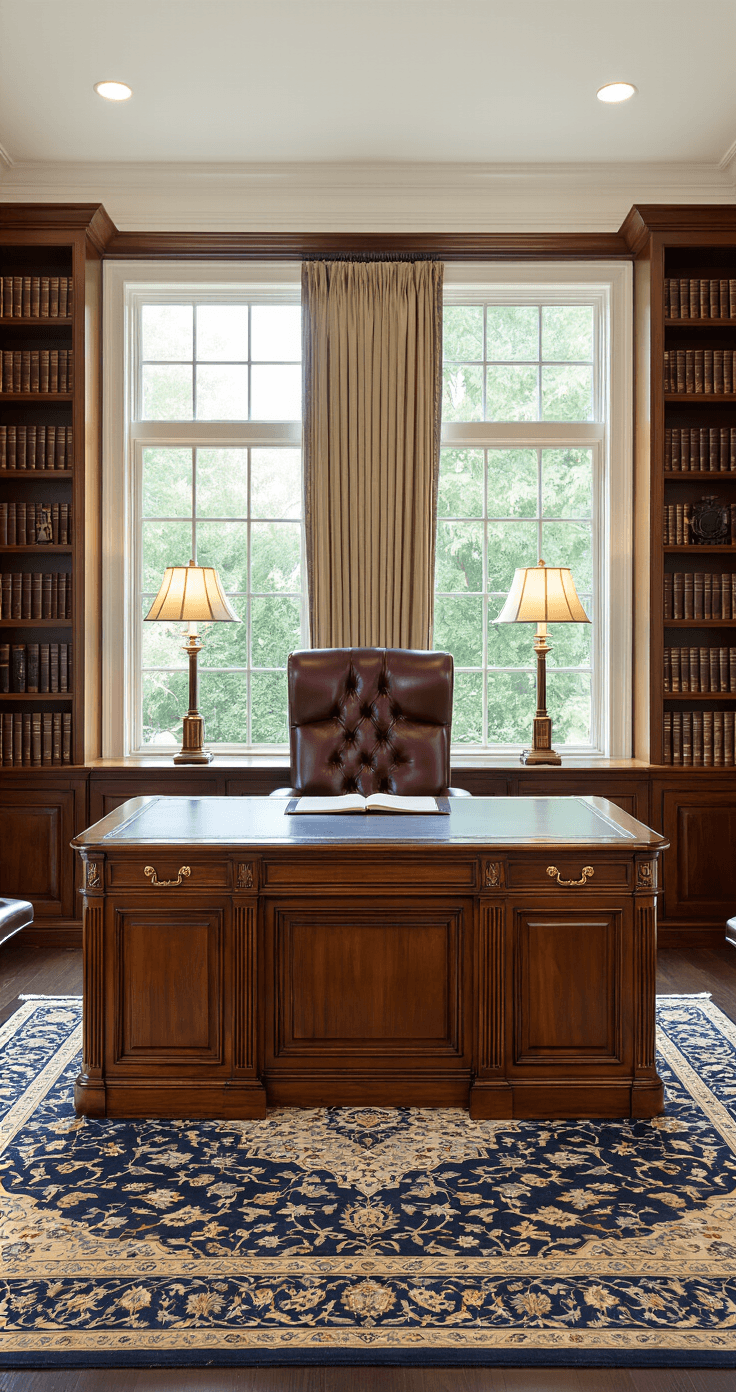
Executive Desks
Large, imposing desks with tons of surface area and storage.
Best for:
- People with dedicated home offices
- Anyone drowning in paperwork
- Showing off during Zoom calls
Terrible for:
- Apartments
- Minimalists
- Your moving day
How to Pick the Right Size Without Measuring Wrong
Measure your space first. Seriously. Don’t eyeball it.
Here’s my process:
<