
This post may contain affiliate links. Please see my disclosure policy for details.
Why Your Child Needs English Games (Beyond Just Fun)
Let me be brutally honest here. Traditional English lessons can be mind-numbingly boring for kids. Worksheets, memorization, and repetitive drills make learning feel like punishment.
English games flip this script entirely:
- Vocabulary sticks better when learned through play
- Grammar rules become intuitive instead of memorized
- Confidence builds naturally without the fear of “getting it wrong”
- Attention spans stretch longer when engagement is high
- Family bonding happens during shared game time
I’ve seen kids who claimed they “hated English” become fluent speakers within months of starting game-based learning.

Must-Have English Games That Actually Work
Classic Word Games That Never Get Old
Hangman remains the ultimate vocabulary builder. I use magnetic letters on our fridge for impromptu games during breakfast.
Word Scavenger Hunts turn your entire house into a learning playground. Hide colorful flashcards around the room and watch kids hunt for treasures while learning new words.
Spelling Bees work brilliantly with a competitive twist. Create teams, add prizes, and suddenly spelling becomes the highlight of the week.
Movement-Based Games for Kinesthetic Learners
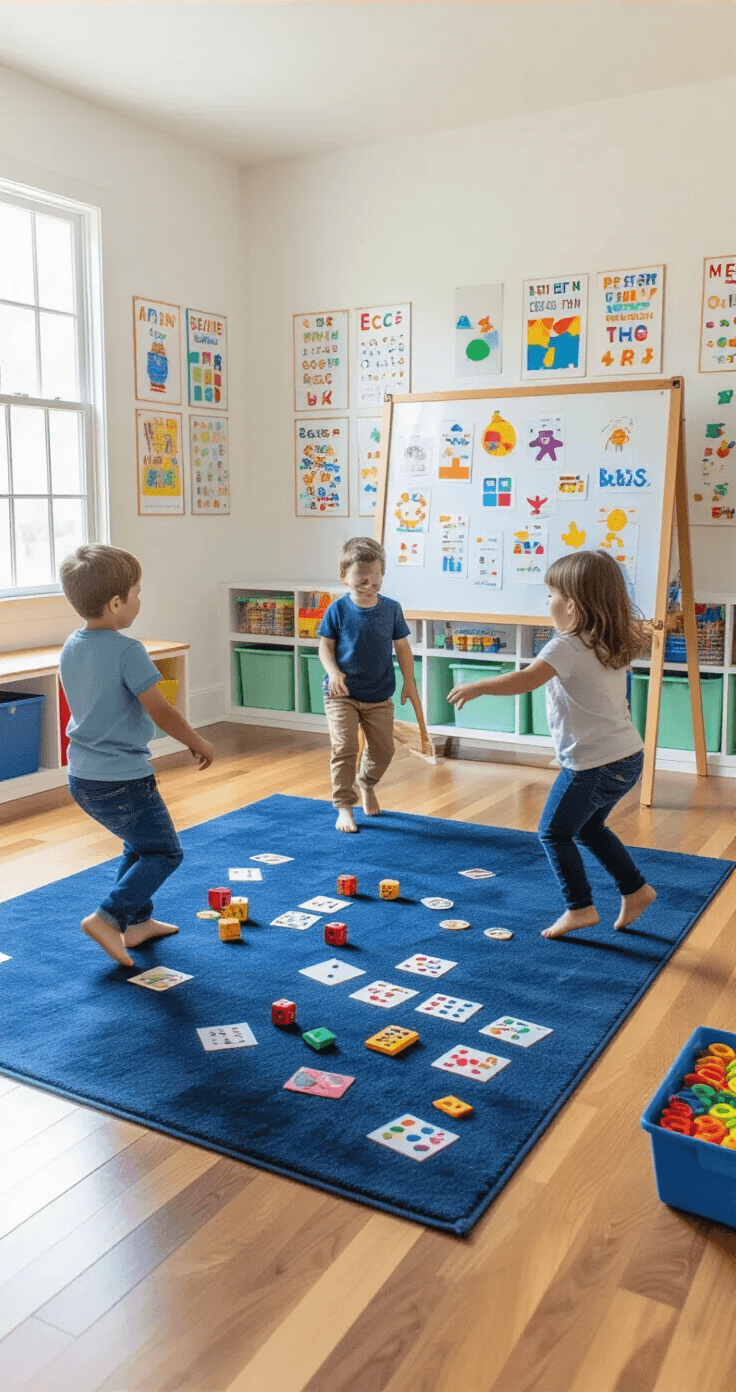
Simon Says teaches body parts, actions, and listening skills simultaneously. Start simple: “Simon says touch your nose.” Progress to complex commands: “Simon says hop to the blue chair and clap three times.”
Charades builds vocabulary without pressure. Kids act out animals, emotions, or daily activities while others guess. No speaking required, but tons of learning happens.
Pictionary combines drawing skills with vocabulary building. Use a large whiteboard for family game nights.

Digital Games That Don’t Feel Like Screen Time
Interactive Board Games online offer structured learning with instant feedback. Kids practice grammar through racing games, pirate adventures, and treasure hunts.
Memory Matching Games strengthen vocabulary retention. Digital versions often include pronunciation guides, which helps with speaking skills.
Quiz Games with colorful graphics and sound effects make assessment feel like entertainment.
Age-Appropriate Game Strategies
Ages 2-5: Foundation Building
Focus on basic vocabulary and simple concepts:
- Animal sounds and names
- Colors and shapes
- Family members
- Daily routines
Use picture books with interactive elements for guided play. Repetition is key at this stage, but make it fun through songs and rhymes.
Ages 6-8: Skill Development
Introduce reading and writing games:
- Sight word bingo
- Rhyming games
- Simple sentence building
- Phonics puzzles
Story creation games work wonderfully here. Start with “Once upon a time…” and take turns adding sentences.

Ages 9-12: Advanced Learning
Challenge them with complex grammar and vocabulary:
- Crossword puzzles
- Word association chains
- Debate games
- Creative writing prompts
I love using Categories games where kids name items in specific groups under time pressure. “Name five things you find in a kitchen… GO!”

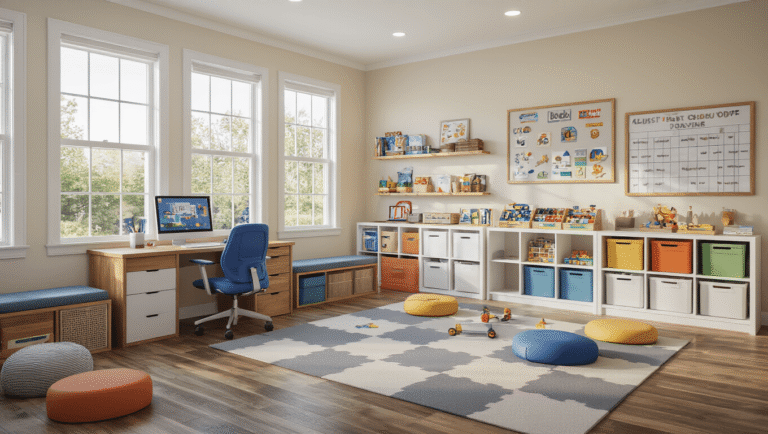
Setting Up Your Home English Game Zone
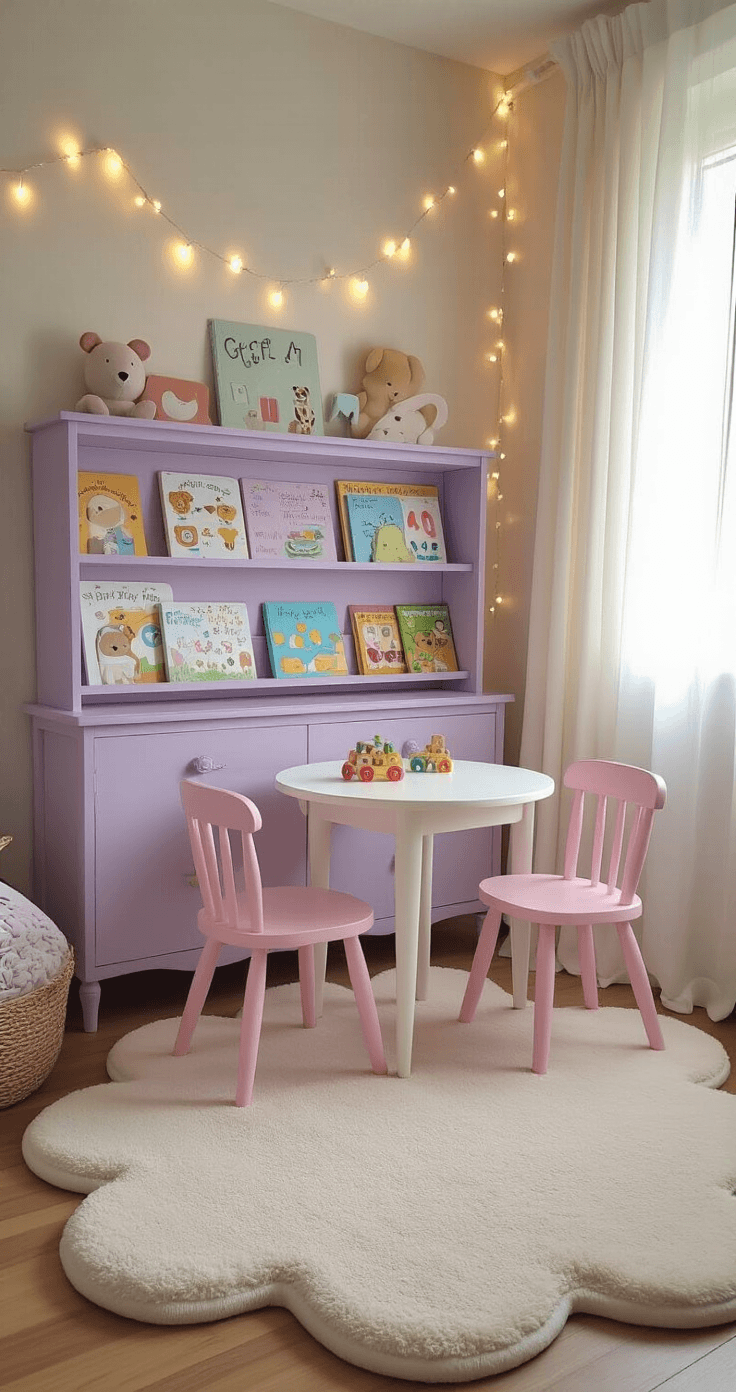
Create a dedicated space that screams “fun learning happens here.”
Essential supplies to stock:
- Colorful markers and pencils
- Large paper sheets for drawing games
- Timer for competitive elements
- Dice for random word selection
- Small prizes for motivation
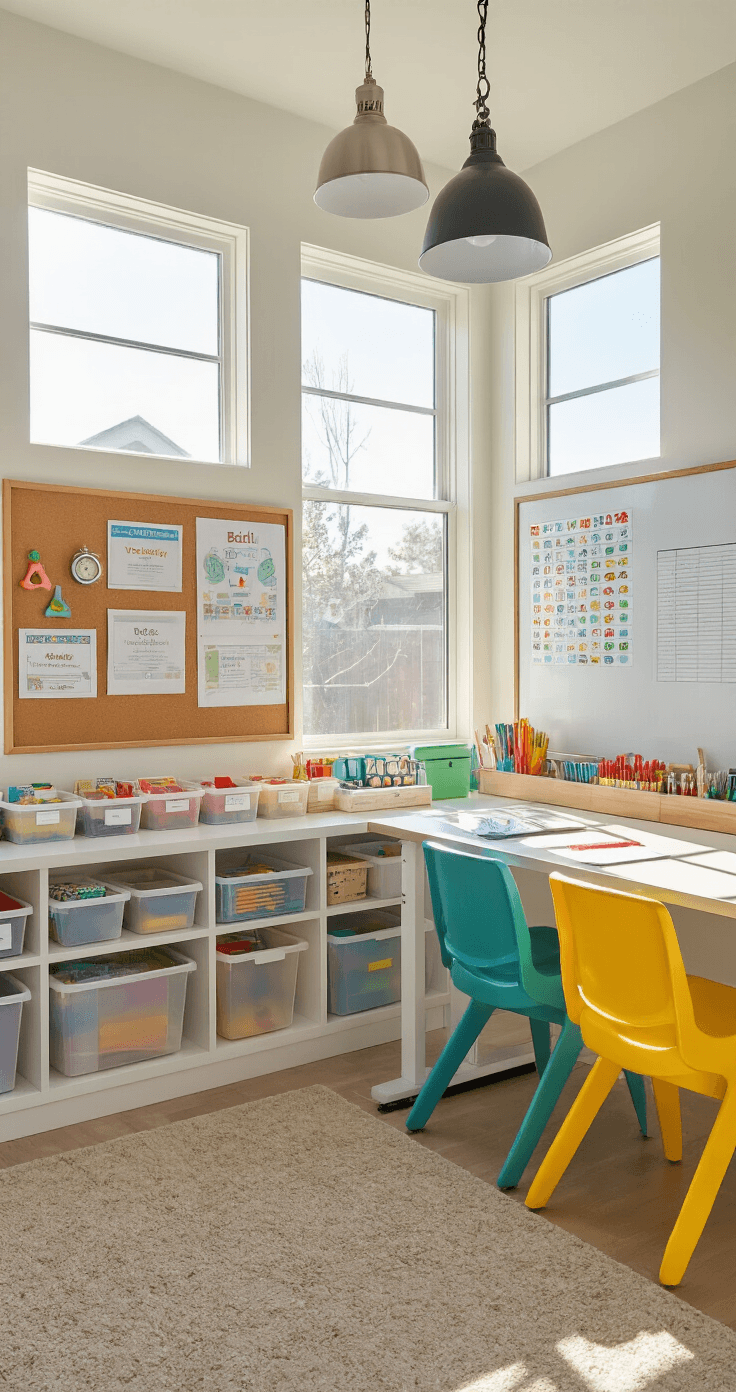
Organization tips:
- Keep games easily accessible
- Rotate activities weekly to maintain interest
- Store materials in labeled bins
- Create a “game schedule” for consistency
Common Mistakes Parents Make (And How to Avoid Them)
Mistake #1: Making games feel like disguised homework Kids smell educational tricks from miles away. Focus on genuine fun first, learning second.
Mistake #2: Choosing games too advanced for the