
This post may contain affiliate links. Please see my disclosure policy for details.
How I Discovered Creating Homemade Board Games Saved My Sanity (And My Budget)
Homemade board games became my secret weapon when my kids declared they were “bored to death” for the hundredth time this month.
You know that moment when your little ones are bouncing off the walls, you’ve exhausted every screen-time option, and your wallet cringes at the thought of buying another expensive board game that’ll get played twice?
I’ve been there.
Three kids under ten, a rainy Saturday afternoon, and me desperately Googling “activities that won’t bankrupt me” while hiding in the kitchen.
That’s when I stumbled upon something that changed everything: making our own games.
Why Store-Bought Games Had Me Ready to Throw in the Towel
Here’s what was driving me absolutely bonkers:
- The price tags – $30 for a game that gets forgotten in a week
- Missing pieces – Why do dice vanish into another dimension?
- Age gaps – Games too hard for my 5-year-old, too easy for my 9-year-old
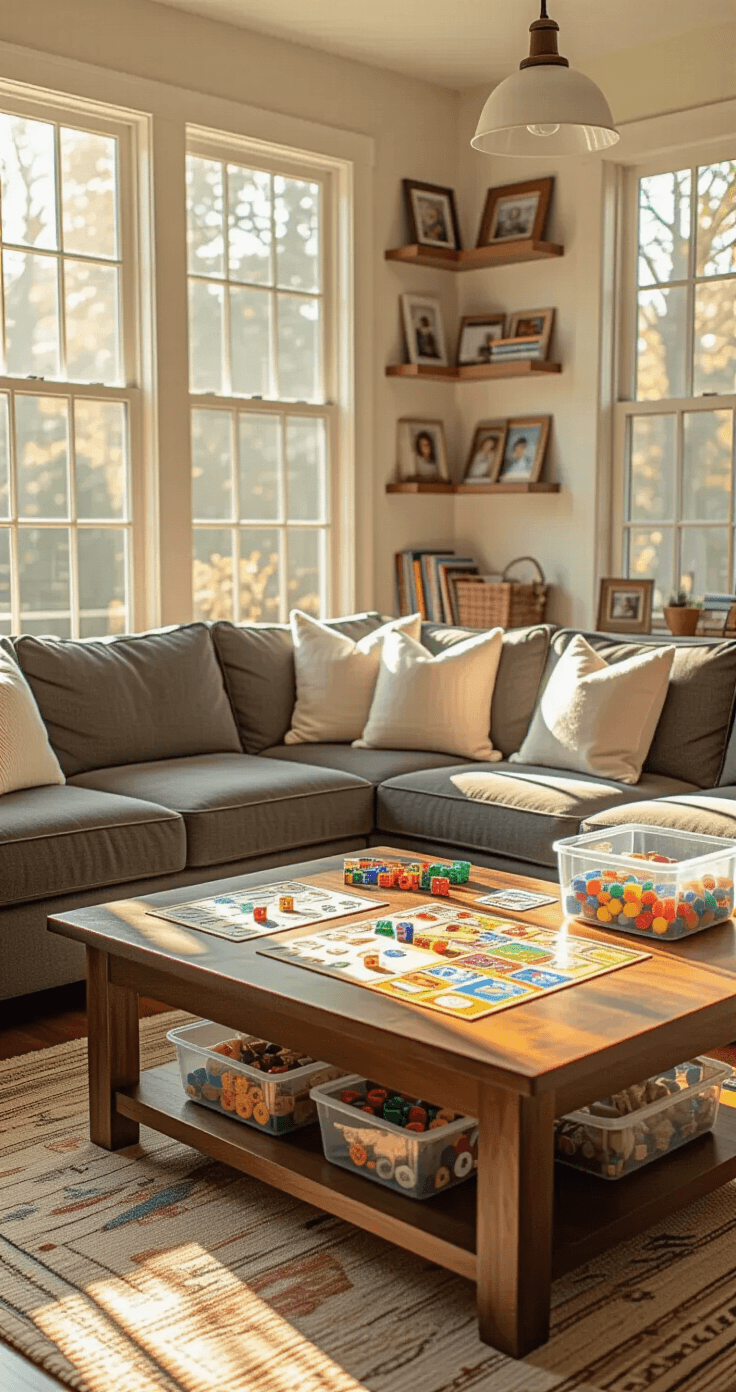
- Storage nightmares – Boxes that don’t stack, pieces everywhere
Sound familiar?
I thought I was doomed to either spend a fortune or listen to endless whining.
Then I discovered something brilliant: you can make amazing games with stuff you already have.
The Game-Changing Moment That Started It All
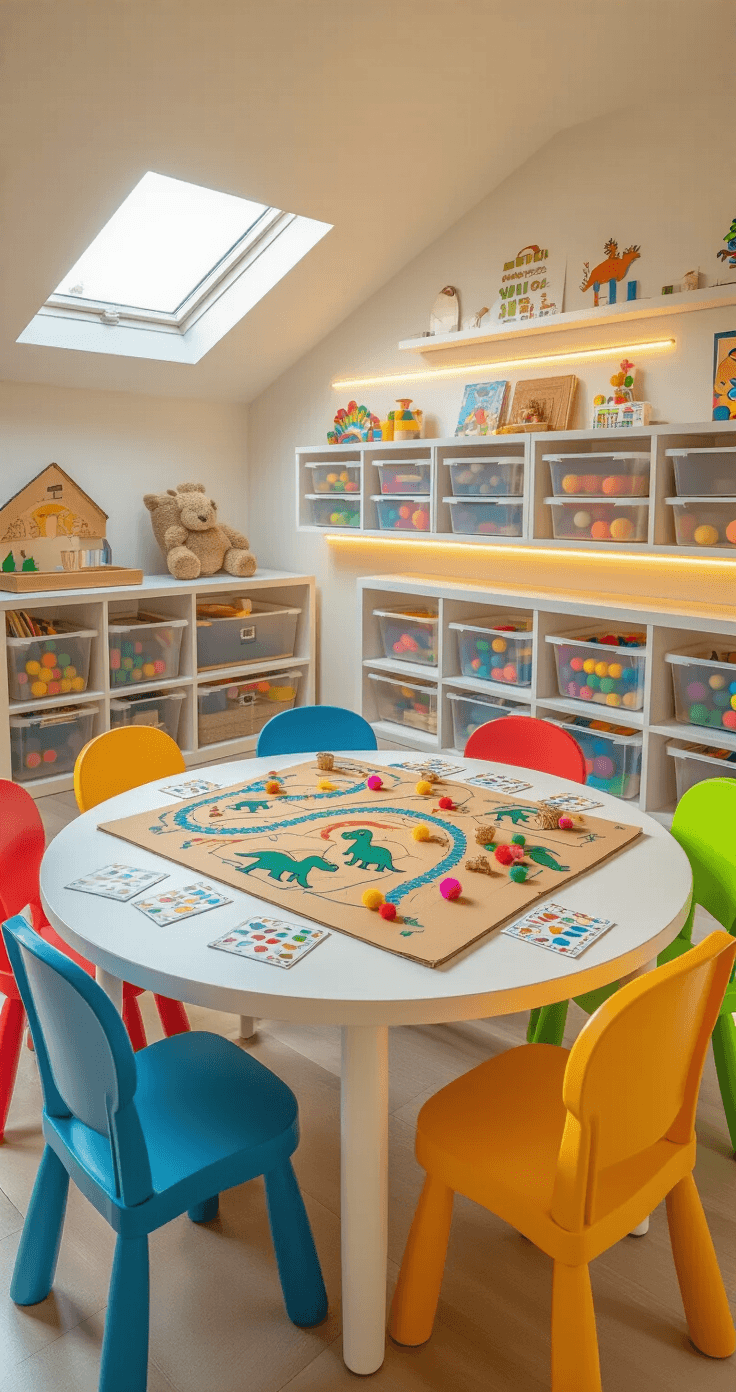
Picture this: cardboard from an Amazon delivery, some markers, and a handful of colorful dice from our junk drawer.
My oldest suggested we make a “dinosaur adventure game.”
Two hours later, we had created something magical.
Not just a game – but an experience my kids still talk about months later.
Three Simple Game Types That Actually Work (No Crafting Genius Required)
The Point A to Point B Adventure
This is your classic “get from start to finish” game.
What you need:
- Large piece of cardboard
- Markers or crayons
- Game pieces (or use toys you have)
- Dice
How to make it work:
- Draw a winding path with 30-50 spaces
- Add special squares: “Move forward 3,” “Go back 2,” “Skip next turn”
- Create a theme (space adventure, jungle trek, underwater exploration)
- Make it challenging but not impossible
My kids went crazy for our “Escape the Volcano” version.
The Object Collection Challenge
This one’s pure genius for keeping kids engaged longer.
The setup:
- Create a board with different locations
- Players collect specific items to win
- Each location offers different treasures
What makes it addictive:
- Multiple ways to win
- Trading between players
- Strategy that grows with your child
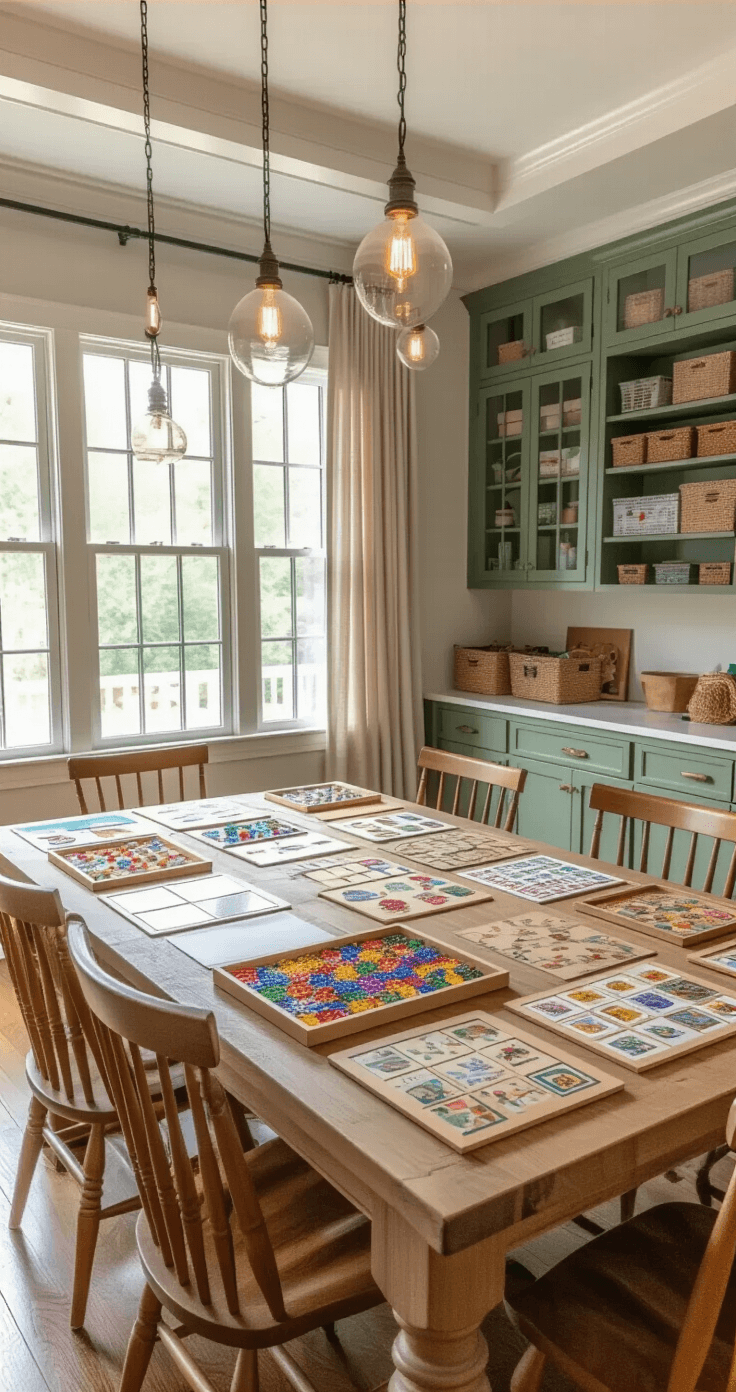
We made a “Gem Hunter” version using colorful pom poms as gems.
The Memory Match Marathon
Perfect for mixed age groups.
Super simple version:
- Draw pairs of pictures on cards
- Flip two at a time
- Match pairs to collect points
Level it up:
- Add action cards (“Everyone switch seats!”)
- Create themed sets (animals, vehicles, food)
- Include bonus point categories
My Foolproof Formula for Games That Don’t Flop
After making dozens of games (some epic wins, some spectacular failures), I’ve cracked the code.
The Sweet Spot Formula:
Game length: 15-30 minutes max
- Any longer and younger kids check out
- Any shorter and older kids feel cheated
Difficulty balance: Easy to learn, room to grow
- Basic rules a 4-year-old can follow
- Strategy elements that challenge older players
Theme selection: Let kids choose
- Their enthusiasm sells the game
- They’ll play longer when it’s “their” idea
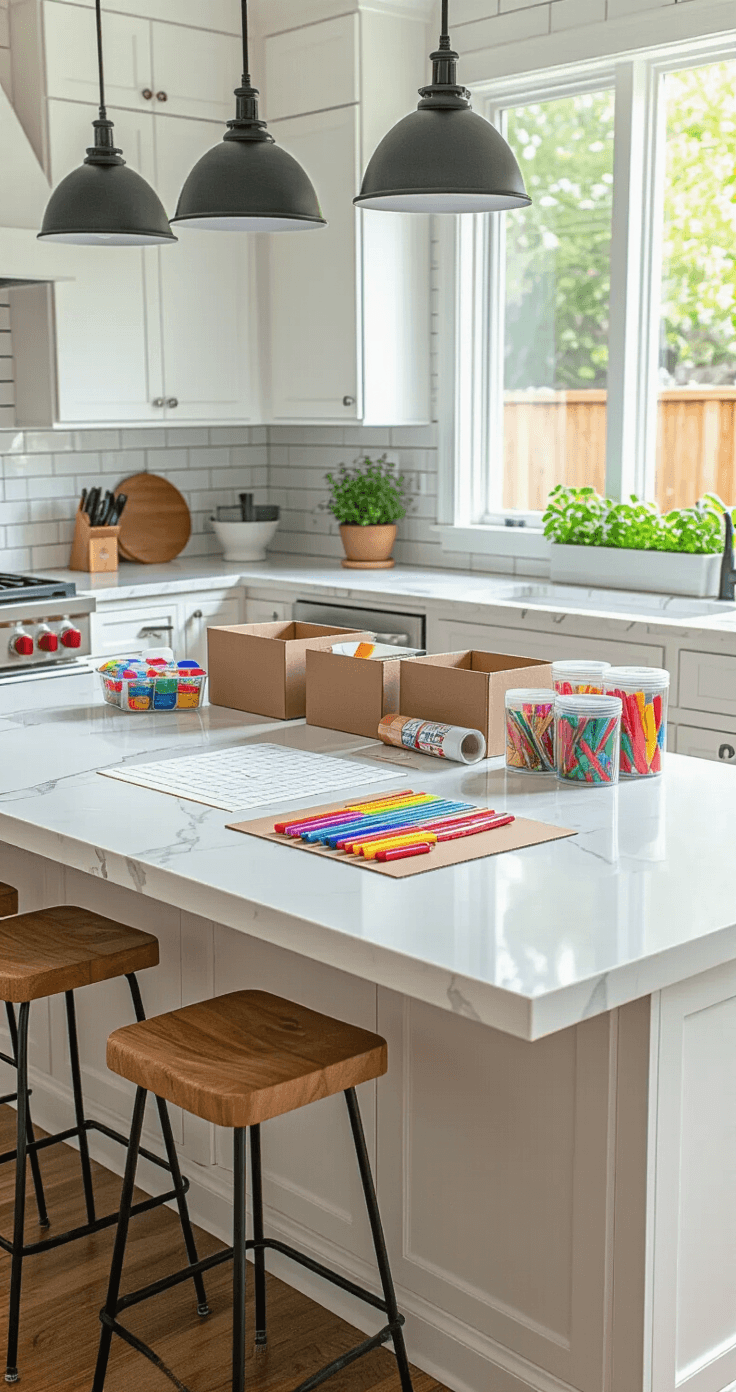
Materials That Never Let Me Down:
- Cardboard bases (Amazon boxes work perfectly)
- Washable markers (trust me on this one)
- Clear contact paper for durability
- Small containers for game piece storage
The Reality Check: What Actually Happens When You Try This
Let me be brutally honest about what to expect.
Week 1: Everyone’s excited. Kids want to make seventeen games immediately.
Week 2: The novelty wears off. You’ll question if this was worth the effort.
Week 3: Magic happens. Kids start asking to play “our games” instead of wanting screen time.
Month 2: You realize you’ve created independent players who make their own entertainment.
The transformation isn’t instant, but it’s real.