
This post may contain affiliate links. Please see my disclosure policy for details.
Modern Desks That’ll Transform Your Workspace (Without Breaking the Bank)
Modern desks have completely changed how I think about my workspace, and I’m betting you’re here because your current setup just isn’t cutting it anymore.
Maybe you’re tired of that clunky hand-me-down desk taking up half your room. Or perhaps you’re working from home now and realized your kitchen table wasn’t meant for eight-hour workdays. I’ve been there, hunched over furniture that made my back scream and my productivity plummet.
Let me walk you through everything I’ve learned about finding the perfect modern desk—the kind that actually makes you want to sit down and get stuff done.

What Makes Modern Desks Different From Your Grandpa’s Office Furniture
Modern desks nail something traditional furniture never quite figured out: looking good while actually working hard.
I’m talking about pieces that blend sharp aesthetics with everyday usability. You know that feeling when you walk into a room and something just looks right? That’s what a well-chosen modern desk does for your space.
Here’s what sets them apart:
- Clean lines that don’t compete with your other furniture
- Thoughtful proportions that fit actual modern living spaces
- Materials chosen for durability AND looks
- Built-in solutions for our cable-filled lives
The best part? You’re not sacrificing function for style or vice versa.
The Visual Language of Modern Design
I spent years thinking “modern” just meant “cold and industrial.” Turns out I was completely wrong.
Mid-Century Modern Vibes: These are my personal favorites—warm walnut or teak tones paired with those iconic tapered legs. They bring warmth without feeling dated. When I got my first mid-century modern desk, I finally understood why people geek out over furniture.
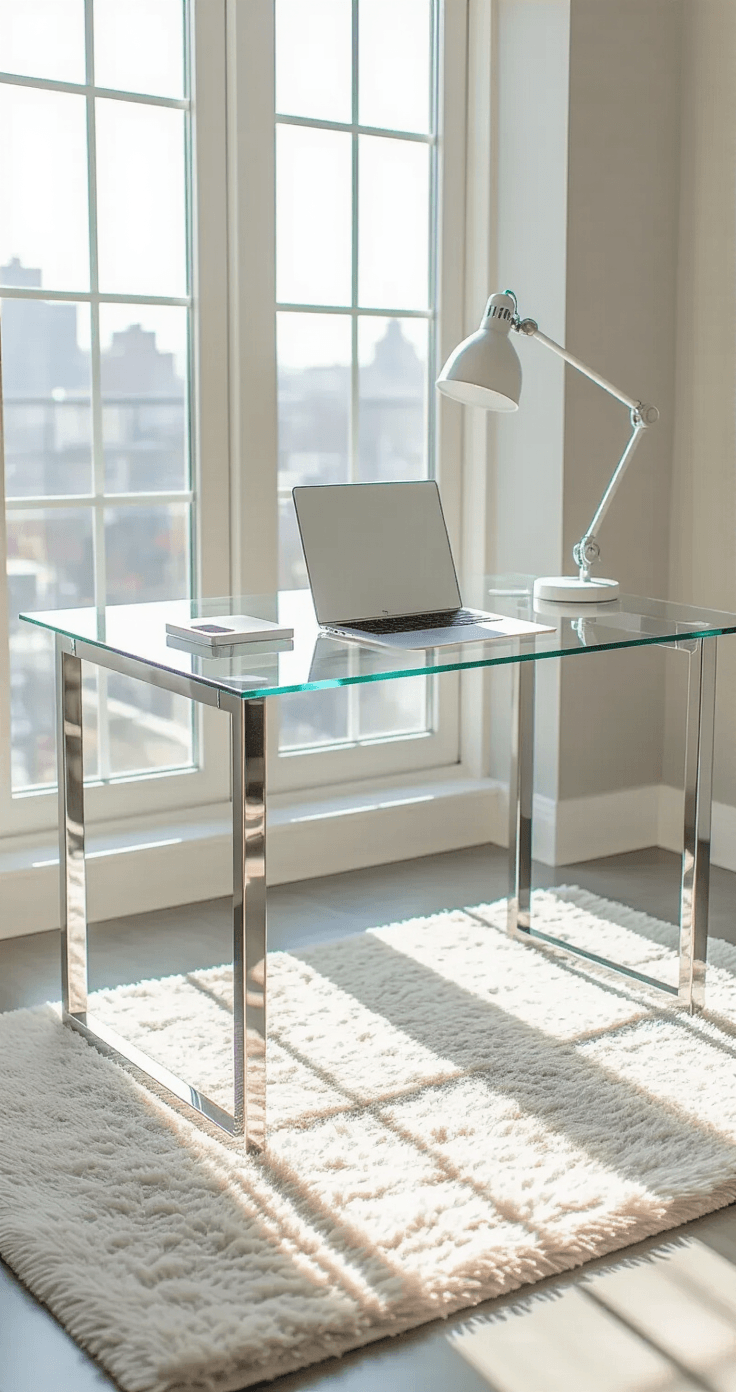
Contemporary Sleek: If you’re into that ultra-clean look, contemporary modern desks feature glass tops and chrome or brushed metal details. They practically disappear in a room while somehow making everything else look better. A glass modern desk can make a small room feel twice its size.
Minimalist Zen: Strip away everything unnecessary. These desks are about pure function wrapped in the simplest form possible. No drawer pulls, no decorative elements—just you and your work.
Size Matters (But Probably Not How You Think)
I made the rookie mistake of buying a massive executive desk for my 10×10 home office. It looked incredible in the showroom. In my space? I could barely walk around it.
Compact Writing Desks: Perfect for small apartments or corners. I’m talking 36-48 inches wide—just enough for a laptop and your coffee. Don’t underestimate these beauties. My compact writing desk in my bedroom nook has become my favorite thinking spot.
Standard Workstations: The 48-60 inch range hits the sweet spot for most people. Room for dual monitors, your keyboard, and actual workspace.
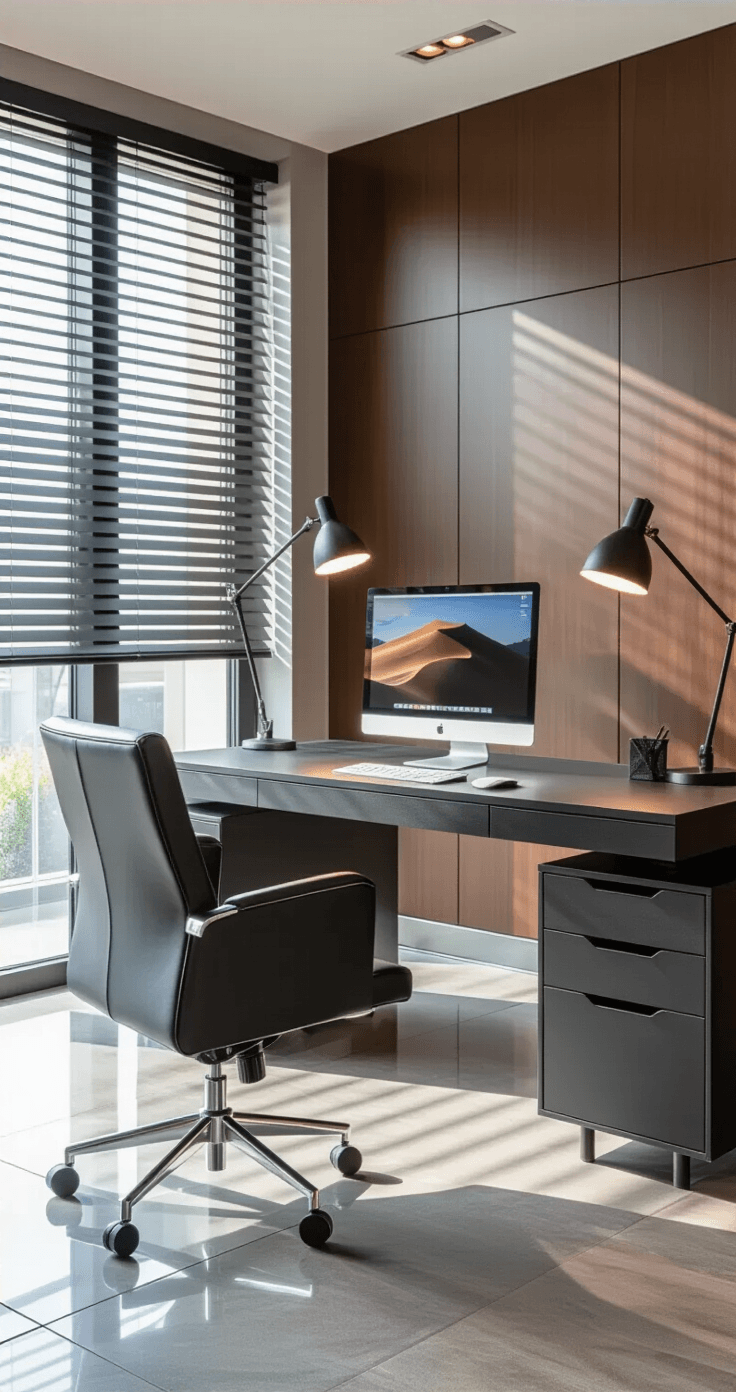
Executive Beasts: If you’ve got the space and need built-in storage, executive modern desks stretch to 72 inches or more. These command presence and come with filing drawers and organizers built right in.
Standing Desk Game-Changers: After my physical therapist basically ordered me to stand more, I invested in a standing desk converter. The adjustable workspace setup literally saved my lower back. No exaggeration.
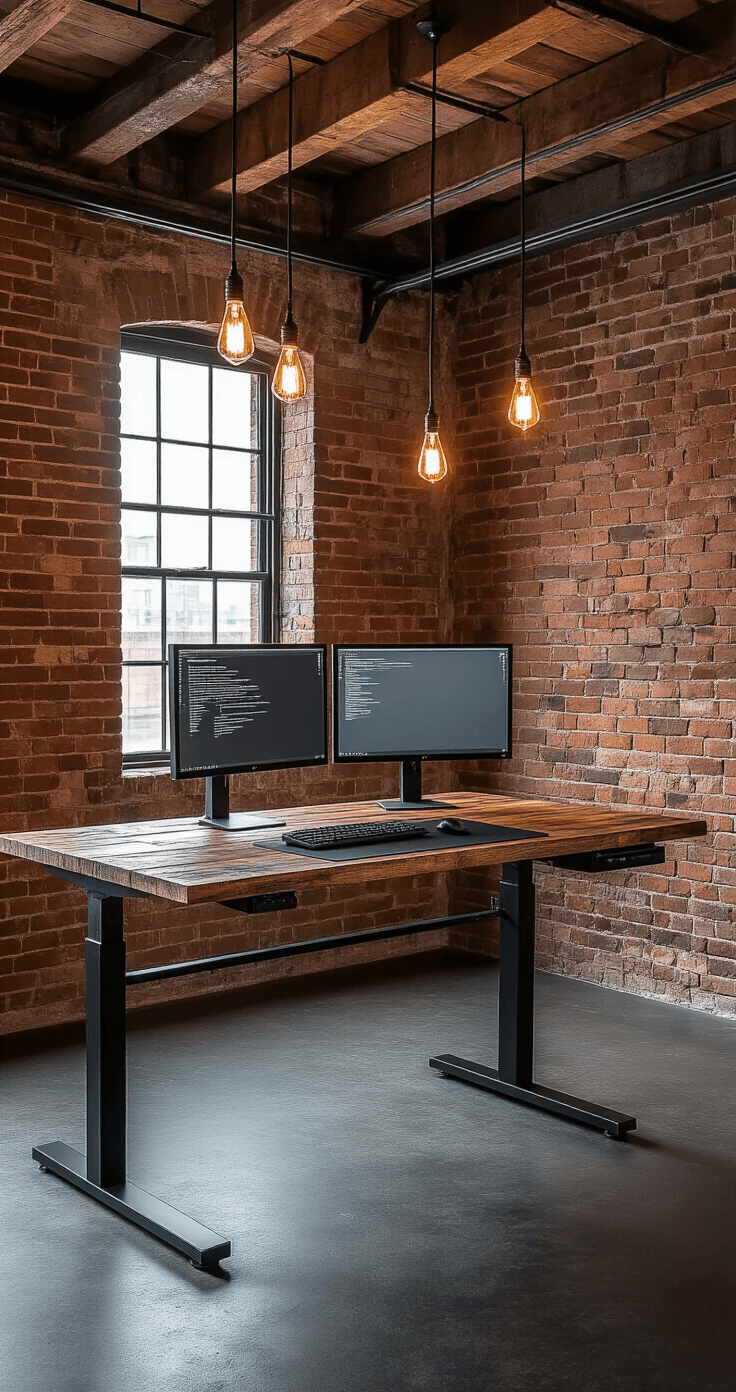
Let’s Talk Materials (This Gets Interesting)
The material you choose determines how your desk performs five years from now. I’ve owned cheap particleboard disasters and solid wood tanks, so I’ve got opinions.
Wood: The Classic That Never Quits
Solid Wood This is the investment piece. I’m talking oak, walnut, maple—woods that laugh at daily abuse.
Here’s why I love solid wood:
- You can refinish it when life happens (and it will)
- It gets better looking with age
- Weight capacity that handles anything
- Natural variations make each piece unique
The downside? Your wallet will feel it upfront. But divide that cost over twenty years of use, and suddenly it makes sense.
Engineered Wood (The Smart Alternative) Don’t let anyone shame you for choosing plywood, MDF, or particleboard. Modern engineered wood isn’t your grandma’s cheap furniture.
Benefits I’ve experienced:
- Price point that won’t wreck your budget
- Resists warping better than solid wood
- Smooth, consistent finishes
- Lighter weight for apartment dwellers who move frequently
My current desk is high-quality plywood with a veneer top. Four years in, it looks brand new. Zero regrets.
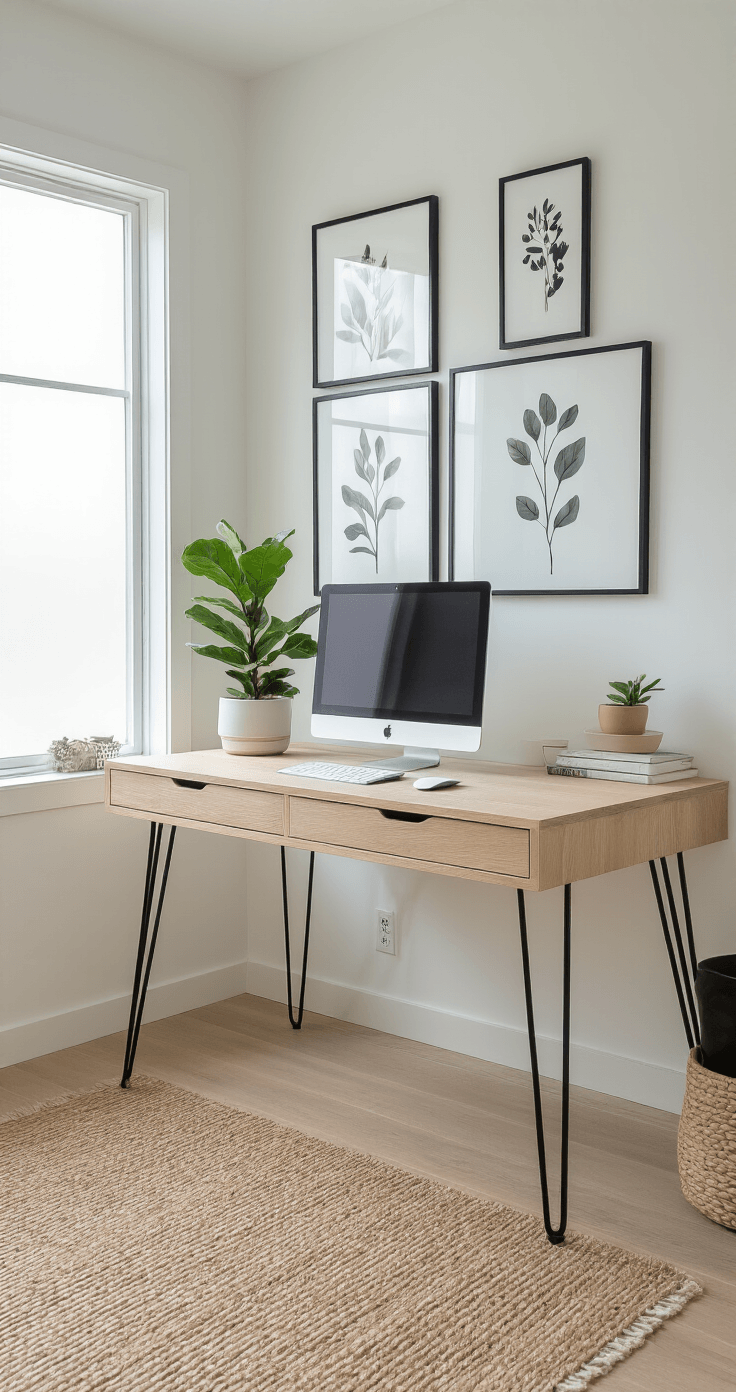
Metal Frames: Industrial Strength Meets Modern Style
Steel and aluminum frames changed my mind about metal furniture.
The Good Stuff:
- Stability that feels rock-solid
- Scratch-resistant surfaces
- Minimal maintenance (wipe and done)
- That modern industrial aesthetic
The Reality Check:
- Fingerprint magnets (seriously, so many smudges)
- Can rust if you live somewhere humid
- Cold to the touch in winter
I solved the fingerprint issue with a microfiber cleaning cloth that lives in my desk drawer. Quick wipe-down every few days keeps it pristine.
Surface Treatments That Actually Matter
High-pressure laminate (HPL) deserves way more credit than it gets.
I spilled an entire cup of coffee on my laminate desk last month. Wiped it up with zero staining or damage. Try that with untreated wood.
HPL superpowers:
- Budget-friendly pricing
- Scratch-resistant enough for real life
- Heat-resistant (my tea mug leaves no marks)
- Stain-resistant (see: coffee incident)
Many executive modern desks combine metal frames with laminate tops for the perfect durability-meets-contemporary-looks combo. You get the strength where you need it and the easy maintenance where it counts.