

This post may contain affiliate links. Please see my disclosure policy for details.
Murphy Bed Desk: The Small Space Solution That Actually Works
Murphy bed desk combinations are transforming how we think about small spaces, and I’m here to tell you why this piece of furniture might be exactly what your cramped apartment or multipurpose room needs.

Look, I get it.
You’re staring at that spare bedroom wondering how the hell you’re supposed to fit both a home office AND a guest bed in there.
Or maybe you’re in a studio apartment where every square foot counts, and you’re tired of choosing between having friends stay over or having a proper workspace.
I’ve been there, and honestly, most traditional furniture solutions are garbage for these situations.
But after living with a Murphy bed desk setup for the past two years, I can tell you this is one piece of furniture that actually lives up to the hype.
Why Your Small Space Needs This (And Why Most “Solutions” Fail)
Traditional Murphy beds? They’re fine if you literally only need a bed that disappears.
Regular desks? Great until you need that room to function as a bedroom too.
Sofa beds? Don’t even get me started on how uncomfortable those torture devices are.
The problem with most space-saving furniture is that it does one job poorly instead of two jobs well.
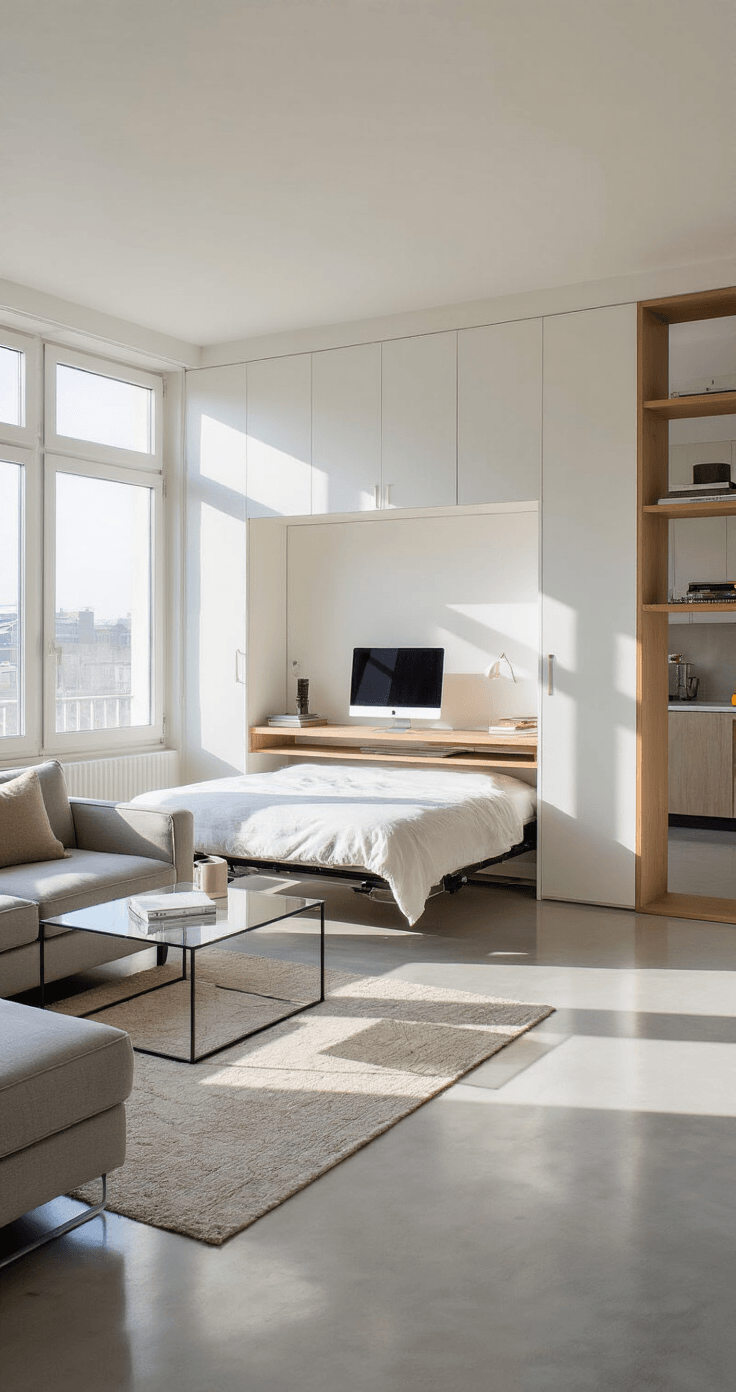
A properly designed Murphy bed desk does both.
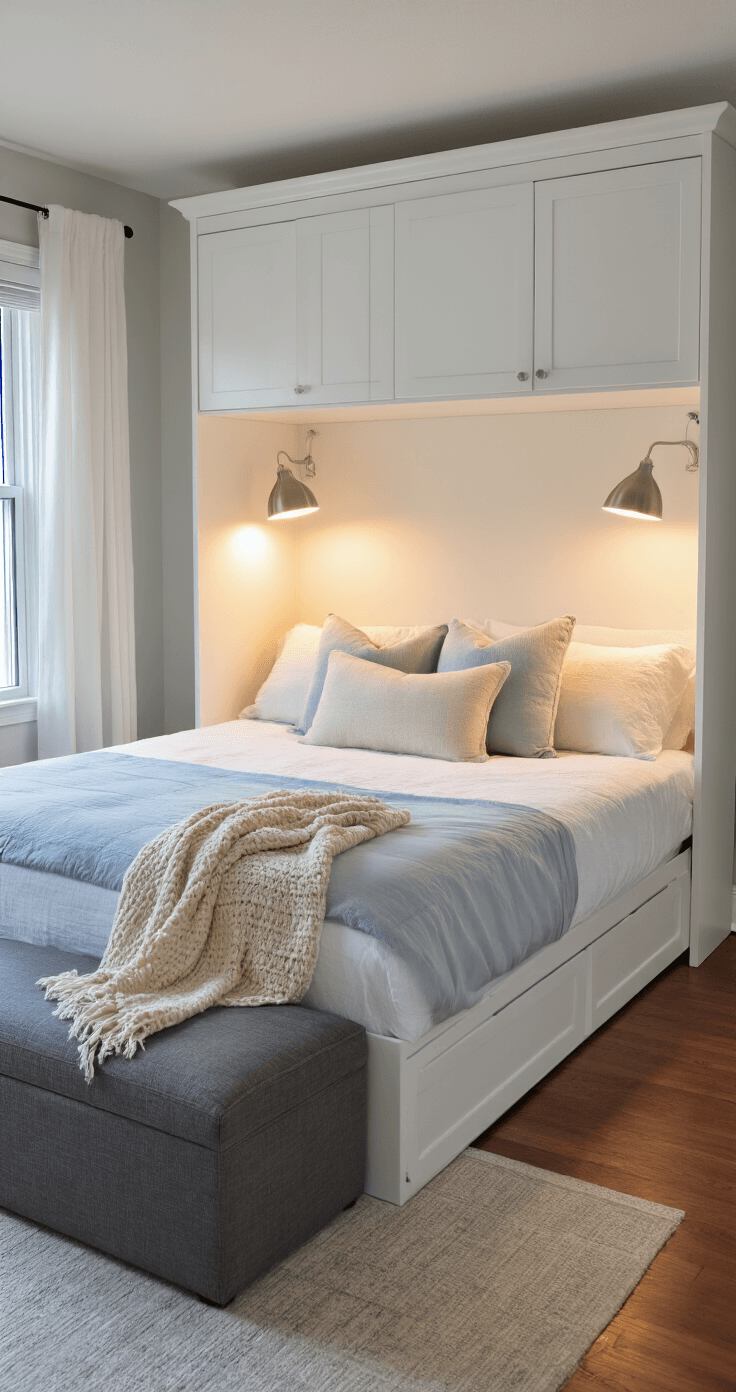
When the bed is up, you get a legitimate workspace—not some flimsy fold-down table that wobbles when you type.
When the bed is down, you get an actual comfortable sleeping surface—not a lumpy compromise that leaves your guests (or you) with a sore back.
What Makes a Murphy Bed Desk Actually Good
Not all Murphy bed desks are created equal, and I learned this the hard way.
Here’s what separates the winners from the expensive mistakes:
Desk depth matters more than you think
- You need at least 18-20 inches of depth for actual work
- Anything less and your laptop barely fits
- Look for models with 24+ inches if you use a monitor
The bed cabinet shouldn’t eat your entire room
- Quality units keep cabinet depth to 15-20 inches
- Cheap ones protrude 24+ inches and kill your floor space
- Check dimensions in BOTH positions before buying
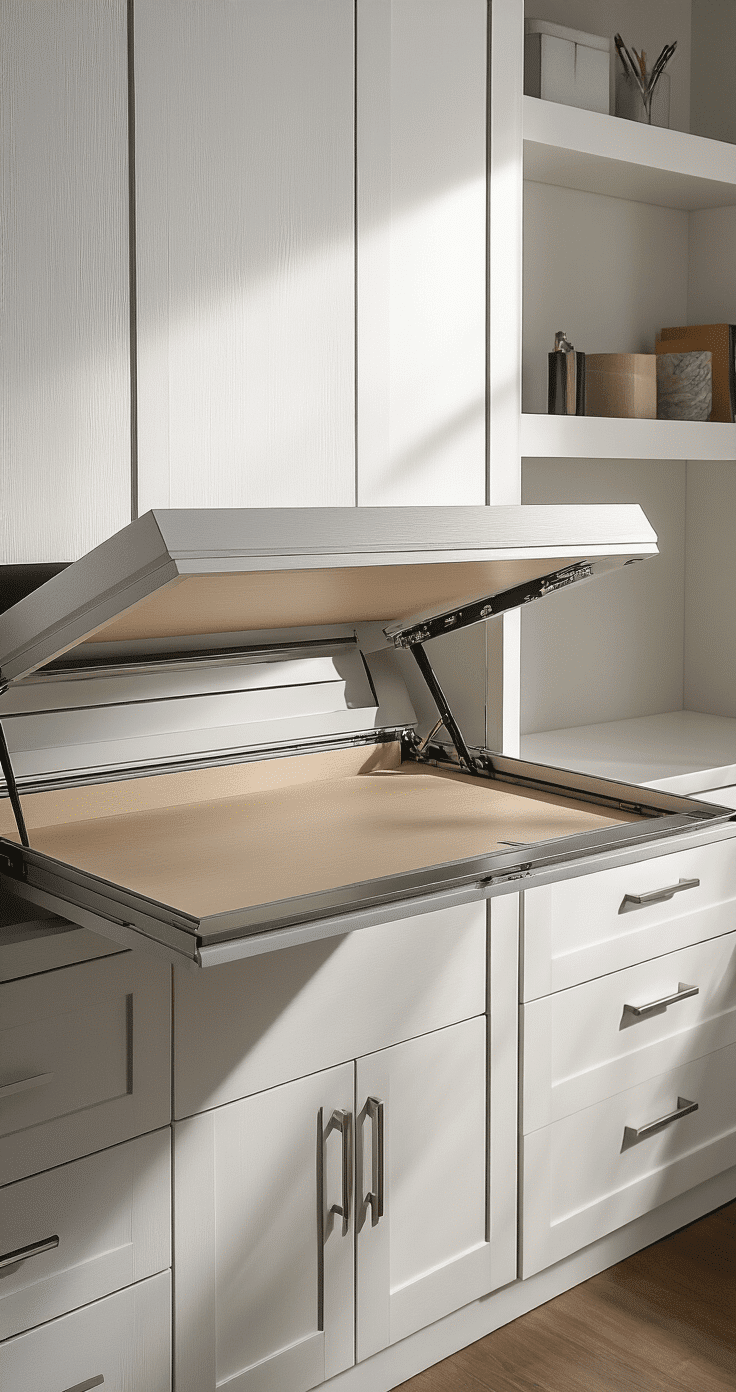
The mechanism is everything
- Soft-close systems are worth every penny
- One-motion opening means you’ll actually use it daily
- Crappy hinges will fail within a year (ask me how I know)
Weight limits aren’t just suggestions
- Most desks support 50-75 lbs
- Some advanced models let you leave items on the desk when opening
- Know your setup weight before you buy
I initially bought a cheaper model that looked similar.
The desk was too shallow, the mechanism was stiff as hell, and I had to clear everything off the desk surface before lowering the bed.
It became such a pain that I stopped using it as a desk entirely, which defeated the whole purpose.
Don’t make my mistake.
Setting Up Your Murphy Bed Desk (The Right Way)
Installation isn’t rocket science, but it’s also not IKEA-furniture-easy.
Most units require professional installation unless you’re genuinely handy with power tools and comfortable finding studs in your wall.
Here’s what the process actually looks like:
Before installation day:
- Measure your wall space (width, height, and floor-to-ceiling clearance)
- Check for outlets, vents, or switches that might interfere
- Verify your wall can support 400+ pounds
- Clear the entire area and remove baseboards if needed
Installation requirements:
- 2-3 hours minimum with two people
- Wall must be secured to studs, not just drywall
- Baseboard notch required (most units include this detail)
- Leave 2-3 inches clearance on each side
After installation:
- Test the mechanism empty before adding mattress
- Practice opening and closing several times
- Add a quality mattress (most support up to 11 inches thick)
- Never exceed weight limits on desk or bed
I had mine professionally installed and it cost around $300-400 on top of the unit price.
Worth it.
The installers found issues with my wall studs that I never would have caught, and they adjusted the mechanism perfectly so it operates smoothly.
Styling Your Murphy Bed Desk for Maximum Function
This is where most people either nail it or completely screw it up.
When the desk is up (work mode):
Your workspace needs to be functional, not just pretty for Instagram.
Essential desk setup:
- Ergonomic office chair that supports actual work hours
- LED desk lamp with adjustable brightness
- Monitor or laptop at eye level
- Desk organizer for supplies you use daily
- Cable management system (PLEASE manage those cables)
Keep these minimal:
- Decorative items (1-2 small plants max)
- Personal items on display
- Anything not work-related
Why?
Because if you have to clear your desk every time you want to use the bed, you won’t use the bed.
And if your desk is cluttered, you won’t want to work there.
I keep exactly 5 things on my desk: laptop, lamp, small succulent, pen holder, and mouse pad.
Everything else goes in the shelving above or in drawers.
When the bed is down (sleep mode):
This is where quality bedding makes all the difference.
Bedding essentials:
- Fitted sheet that stays