
This post may contain affiliate links. Please see my disclosure policy for details.
Teacher Desk Organization Ideas That Actually Work (Without Losing Your Mind)
Teacher desk organization can make or break your sanity during the school year, and I’m not being dramatic here.
You know that feeling when you’re searching for a permission slip while seventeen students are asking where the scissors are and someone just spilled glue on the carpet?
Yeah, that’s what happens when your desk looks like a paper tornado hit it.
I’ve spent years watching teachers struggle with their workspace (and fighting my own battles with desk chaos), and I’m here to tell you that organizing your teacher desk doesn’t require a Pinterest-perfect aesthetic or spending your entire paycheck at the container store.
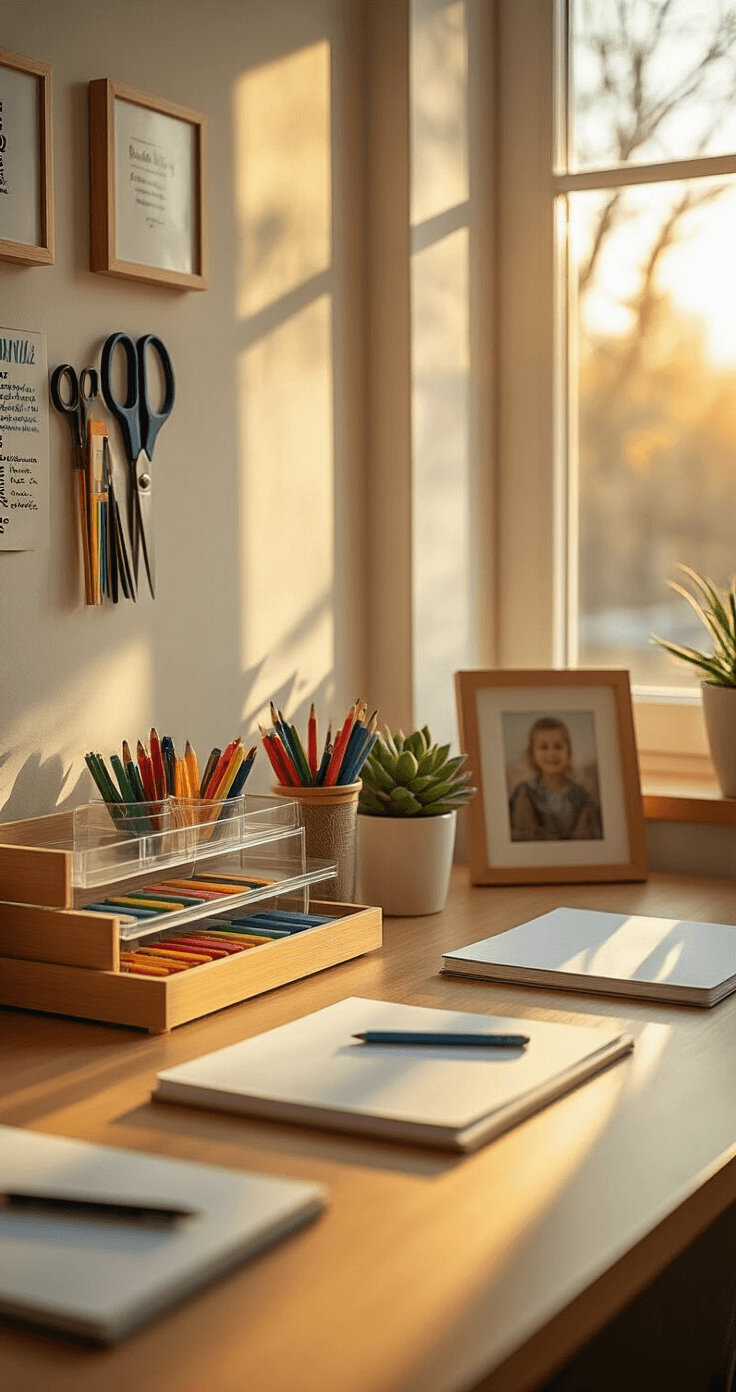
Why Your Teacher Desk Matters More Than You Think
Your desk isn’t just furniture.
It’s command central, therapy couch, lunch spot, and the place where you’ll spend countless hours grading papers at 9 PM.
A disorganized teacher workspace creates stress you don’t need, wastes time you don’t have, and sends a message to students that chaos is acceptable.
But here’s the thing – effective teacher desk organization isn’t about having the prettiest setup.
It’s about creating a system that actually works when you’re exhausted, overwhelmed, and operating on coffee fumes.
The Brutal Truth About Teacher Desk Clutter
Let me be honest with you.
That stack of papers you’ll “get to later”? You won’t.
Those seventeen different pens scattered across your desk? You’ll still grab the same two.
The broken stapler you keep meaning to fix? It’s been six months, Karen.
Here’s what typically clutters a teacher’s desk:
- Graded papers waiting to be returned (from three weeks ago)
- Ungraded papers creating guilt and anxiety
- Random supplies students have “borrowed” and returned to the wrong spot
- Coffee mugs in various stages of abandonment
- Sticky notes with reminders you’ve already forgotten about
- Forms and documents you’re terrified to throw away
- Personal items that somehow multiply overnight
The first step in teacher desk organization is admitting you have a problem.
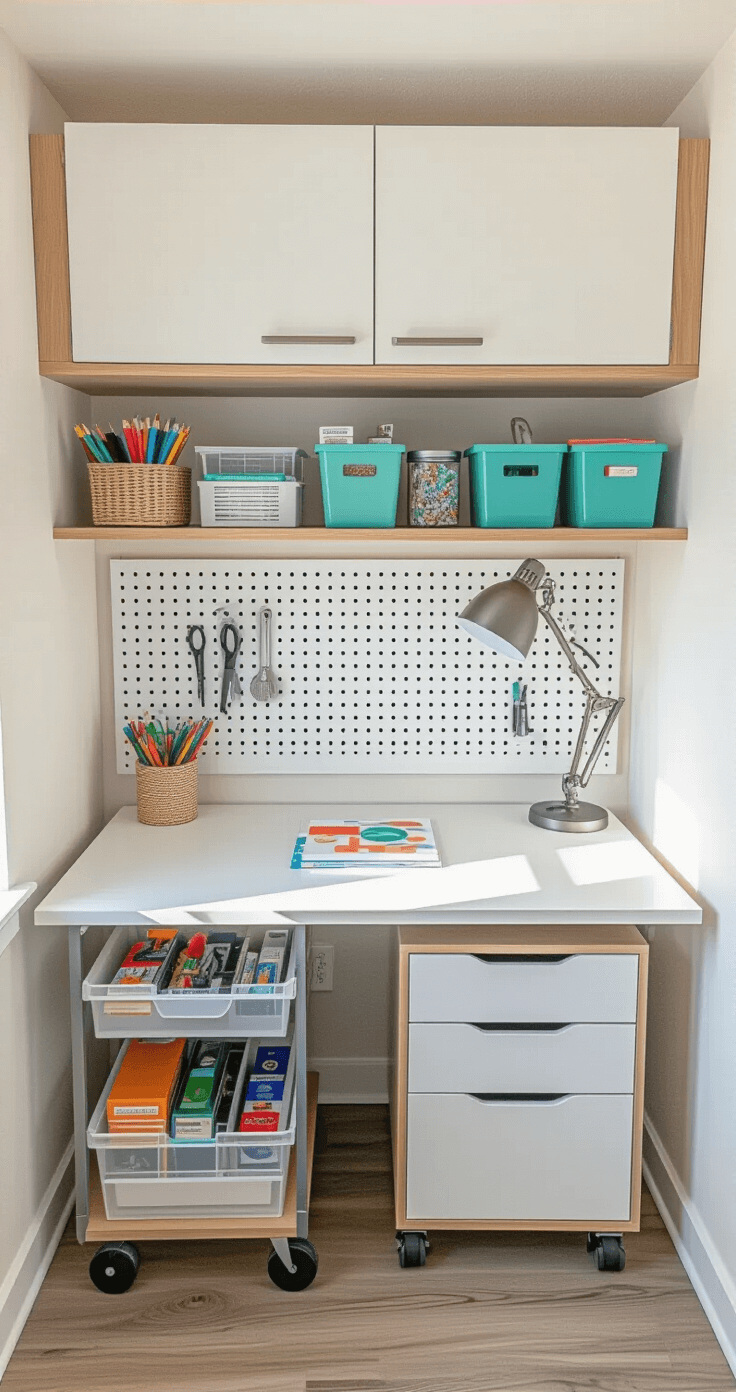
Creating Zones: The Foundation of Teacher Desk Setup
Stop trying to use your entire desk as one giant dumping ground.
Your brain doesn’t work that way, and your desk shouldn’t either.
I divide my teacher desk area into specific functional zones, and this simple shift changed everything:
The Action Zone (front right if you’re right-handed):
- Items you need multiple times daily
- Your desk organizer caddy with frequently-used supplies
- Current lesson plans
- Attendance folder
The Grading Zone (front left):
- Papers currently being graded
- Red pens (or whatever color doesn’t traumatize your students)
- Grading rubrics
- Your favorite grading stamp
The Processing Zone (back of desk):
- Incoming papers and assignments
- Items that need filing
- Things requiring action but not immediately
The Personal Zone (one small corner):
- Family photo
- Your emotional support coffee mug
- Hand sanitizer
- Whatever keeps you human
This zoning system means you’re not hunting through everything to find one thing.
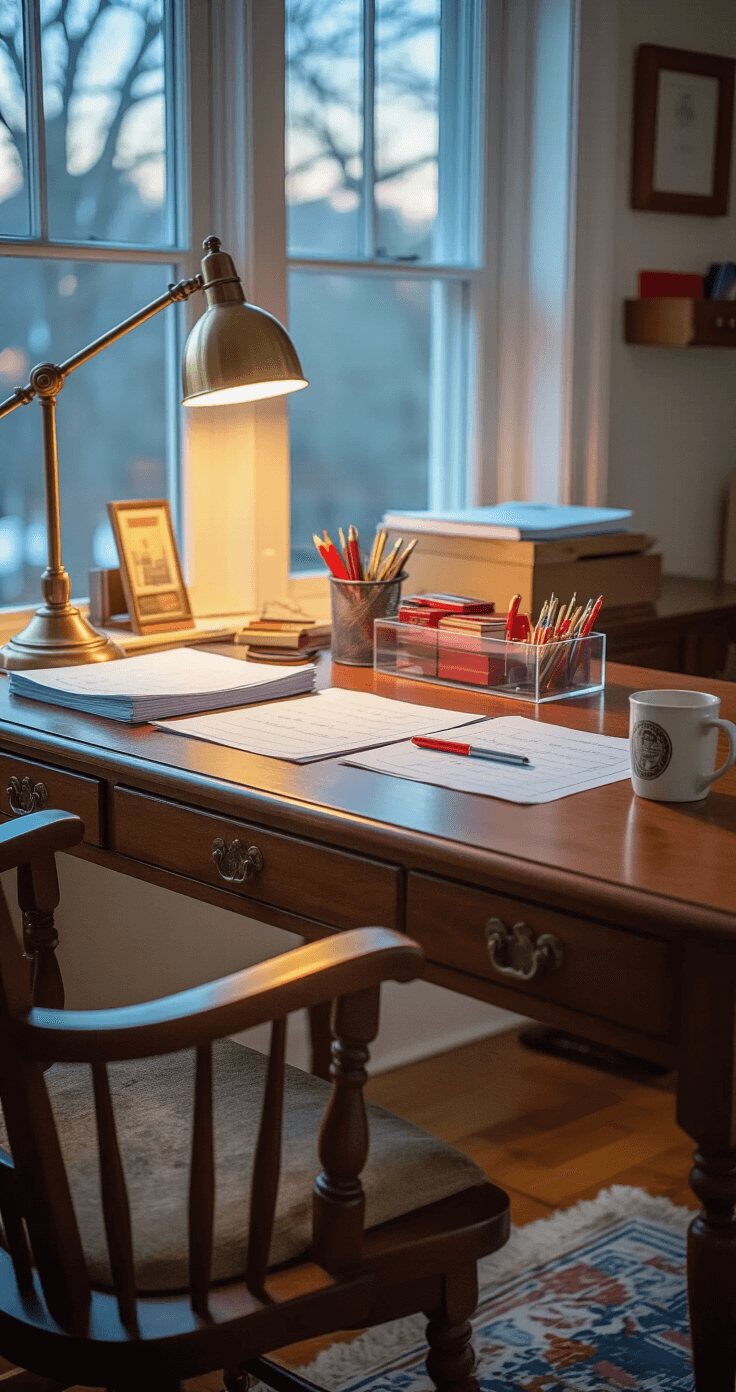
The Container Method That Actually Makes Sense
Listen, I’m going to save you from yourself right now.
Don’t buy seventeen different organizational containers in seventeen different colors and styles.
You’ll never maintain that system, and it’ll just become expensive clutter.
Instead, choose one style of container and stick with it.
I use clear acrylic organizers for everything because:
- I can see what’s inside without labels
- They’re easy to clean (have you seen what happens when a glue stick explodes?)
- They look cohesive without trying too hard
- They stack when I need vertical space
Essential containers for teacher desk organization:
- One for pens and pencils (that you actually like)
- One for markers and highlighters
- One shallow tray for paperclips, binder clips, and other small accessories
- One for stamps, stickers, and reward items
- Desktop file holders for active papers
The key is having enough containers to keep things separated but not so many that organizing becomes another job.
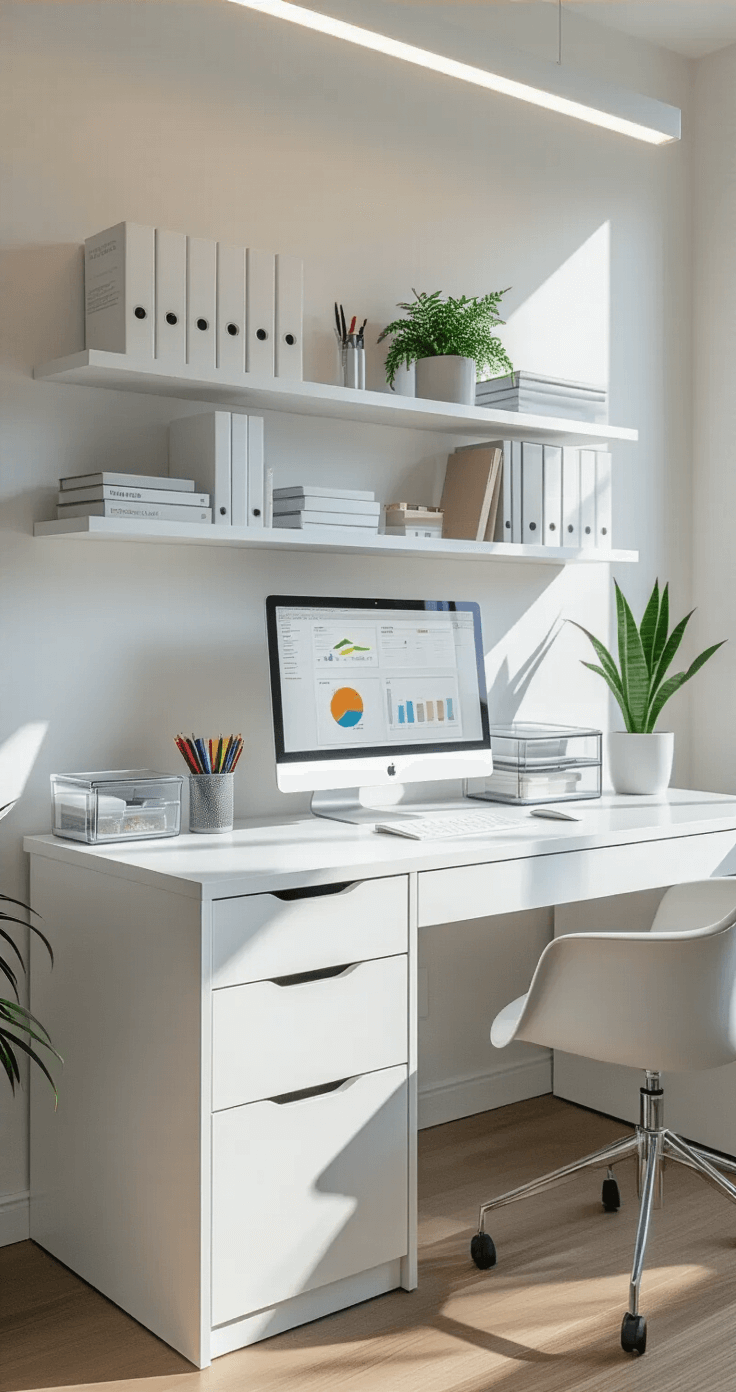
The Paper Management System You’ll Actually Use
Paper is the teacher’s nemesis.
It multiplies when you’re not looking and breeds guilt when you ignore it.
Here’s my no-nonsense paper flow system:
Step 1: Touch It Once
When a paper lands on your desk, make an immediate decision:
- Grade it now (if it takes less than 2 minutes)
- Put it in the “to grade” pile
- File it
- Trash it
No “I’ll decide later” piles allowed.
Step 2: Use a Tiered System
Get yourself a 3-tier desk tray and label it clearly:
- Top tier: Urgent (needs attention within 24 hours)
- Middle tier: This week (grading, planning, tasks)
- Bottom tier: Reading/professional development
Step 3: Schedule Paper Purges
Every Friday at 3:15, I spend 10 minutes throwing away everything that’s no longer relevant.