This post may contain affiliate links. Please see my disclosure policy for details.
The Visual Magic of Board Games: How Art Transforms Your Gaming Experience
Board game art encompasses illustrations, graphic design, and 3D components that work together to create both aesthetic appeal and functional gameplay experiences.
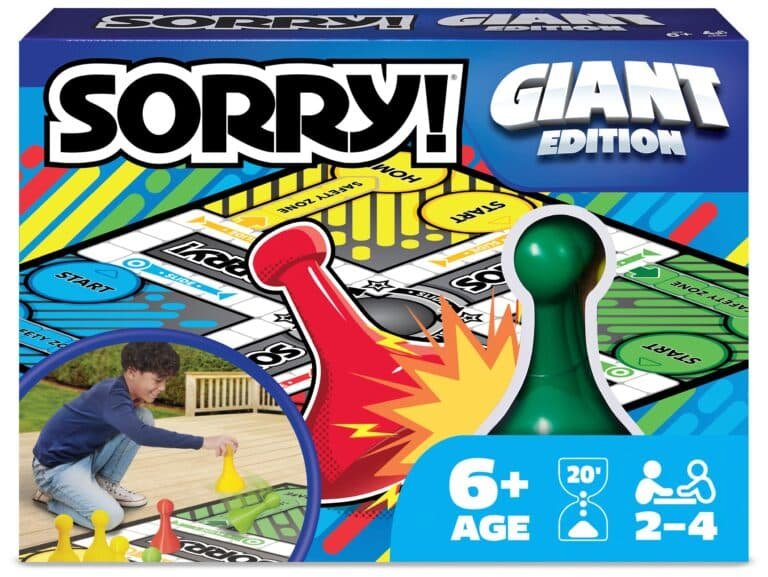
You know that feeling when you walk into a game store and your eyes land on a box that just screams “pick me up”? That’s board game art working its magic.
I’ve spent countless hours studying game boxes, and I can tell you this much: the art isn’t just pretty decoration. It’s the silent salesperson, the mood setter, and sometimes the difference between a good game and an unforgettable experience.
Think about it. When was the last time you bought a game without looking at the artwork first? Probably never.
Why Board Game Art Matters More Than You Think
Here’s what most people don’t realize about board game art: it’s doing about five jobs at once.
First, it’s your tour guide.
Good graphic design ensures action spaces are easy to see and uses clear iconography to communicate game rules intuitively. No one wants to squint at a board trying to figure out where to place their worker or what that tiny symbol means.
Second, it’s the hook.
Box art plays a crucial role in customer engagement. I’ve watched people in game stores for hours, and I can promise you this: artwork that misrepresents the actual gameplay will disappoint customers and damage a publisher’s reputation.
Third, it creates the world.
Art builds thematic immersion. Games that “ooze theme and atmosphere” allow players to become more deeply invested in their hobby. You’re not just moving wooden cubes around – you’re commanding armies, exploring dungeons, or building civilizations.
Fourth, it’s functional beauty.
A well-designed game organizer with thoughtful component art makes setup faster and more enjoyable.
Finally, it’s cultural impact.
When art, graphic design, and component craftsmanship align perfectly, a board game transcends entertainment to become “a piece of art in its own right” and “an artefact of cultural importance.”
The Artists Who Changed Everything
Let me introduce you to the rock stars of board game art. These folks don’t just draw pretty pictures – they create worlds.
Ryan Laukat: The One-Man Creative Machine
Ryan Laukat from Red Raven Games is what I call a creative unicorn. This guy designs games AND illustrates them. His consistently striking artwork draws players into imaginative worlds through box covers and card designs.
Every time I see a Laukat game on the shelf, I know I’m in for something special. His art style is instantly recognizable – clean, vibrant, and somehow both whimsical and serious.
Kyle Ferrin: The World Builder
Kyle Ferrin created distinctive illustrated worlds for games like Root, Fort, and Oath. His artwork has made him influential in board game design, and honestly, it’s easy to see why.
Ferrin doesn’t just illustrate games – he creates entire visual languages. Each faction in Root has its own personality that comes through in every card and component.
Marie Cardouat: The Dream Weaver
Marie Cardouat illustrated 84 unique, dream-like images for Dixit. This single contribution established an entire sub-genre of illustration-focused games.
I remember the first time I played Dixit. The cards weren’t just game components – they were conversation starters, story prompts, windows into someone else’s imagination.
Xavier Gueniffey Durin: The Aesthetic Specialist
Xavier specializes in Asian aesthetics, most notably for Tokaido. When you play Tokaido, you’re not just collecting cards and scoring points. You’re taking a peaceful journey through historical Japan.
Games That Got It Absolutely Right
Some games nail the art so perfectly that they become instant classics. Let me show you what I mean.
PARKS: Nature’s Beauty on Your Table
PARKS won top recognition in 2019 for its National Parks-themed artwork from the Fifty-Nine Parks Print Series. This game doesn’t just use pretty pictures – it makes you want to pack your hiking backpack and hit the trails immediately.
Every card in PARKS is a mini travel poster. The artwork makes you feel like you’re actually visiting these incredible places.
Wingspan: Where Science Meets Beauty
Wingspan features bird illustrations that complement its nature-themed engine-building gameplay. Elizabeth Hargrave and the art team created something special here.
Each bird card is educational and gorgeous. Players learn about real birds while building their wildlife preserves. It’s the kind of game that makes you want to grab a bird watching guide and head outside.
Tapestry: Civilization in Miniature
Tapestry gained recognition for Rom Brown’s sculpted landmark designs that brought the civilization game to life. These aren’t just plastic pieces – they’re tiny architectural marvels.
When you place the Eiffel Tower or Big Ben on your civilization mat, you feel the weight of history. The 3D landmarks make abstract concepts tangible and memorable.
Beyond Pretty Pictures: The Technical Side
Great board game art isn’t just about looking good. It has to work hard.
Iconography needs to be crystal clear. Players should understand symbols without consulting the rulebook every five minutes.
Color choices matter. Red usually means danger or action. Blue often represents water or calm. Green typically indicates nature or go.
Typography can make or break usability. Fancy fonts might look cool, but if players can’t read the cards under table lighting, the game fails.
Component art needs durability. Beautiful cards are worthless if the ink rubs off after three plays. That’s why investing in card sleeves protects your investment.