
This post may contain affiliate links. Please see my disclosure policy for details.
Why Your Child Actually Needs Their Own Desk (And I’m Not Just Selling You Stuff)
Here’s what I learned after years of watching kids do homework on kitchen counters, beds, and floors.
A proper workspace changes everything.
Kids desks give children a designated spot that signals “time to focus now” without you nagging every five minutes. My youngest used to sprawl across the dining table with markers, glue sticks, and half-finished art projects that stayed there for days. One kids desk with built-in storage later, and suddenly she had ownership over her creative chaos.
The benefits stack up fast:
- Homework happens faster when kids aren’t hunting for pencils under couch cushions
- Posture improves when they’re not hunched over a coffee table
- Room clutter decreases because supplies have an actual home
- Independence grows as they manage their own workspace
- Creative projects expand when there’s dedicated room to spread out
I’m talking real-world changes, not Pinterest fantasy outcomes.
The Types of Kids Desks That Actually Make Sense
Walk into any furniture store and you’ll drown in options.
Let me cut through the confusion with what actually works.
Storage Desks: The Homework Hero
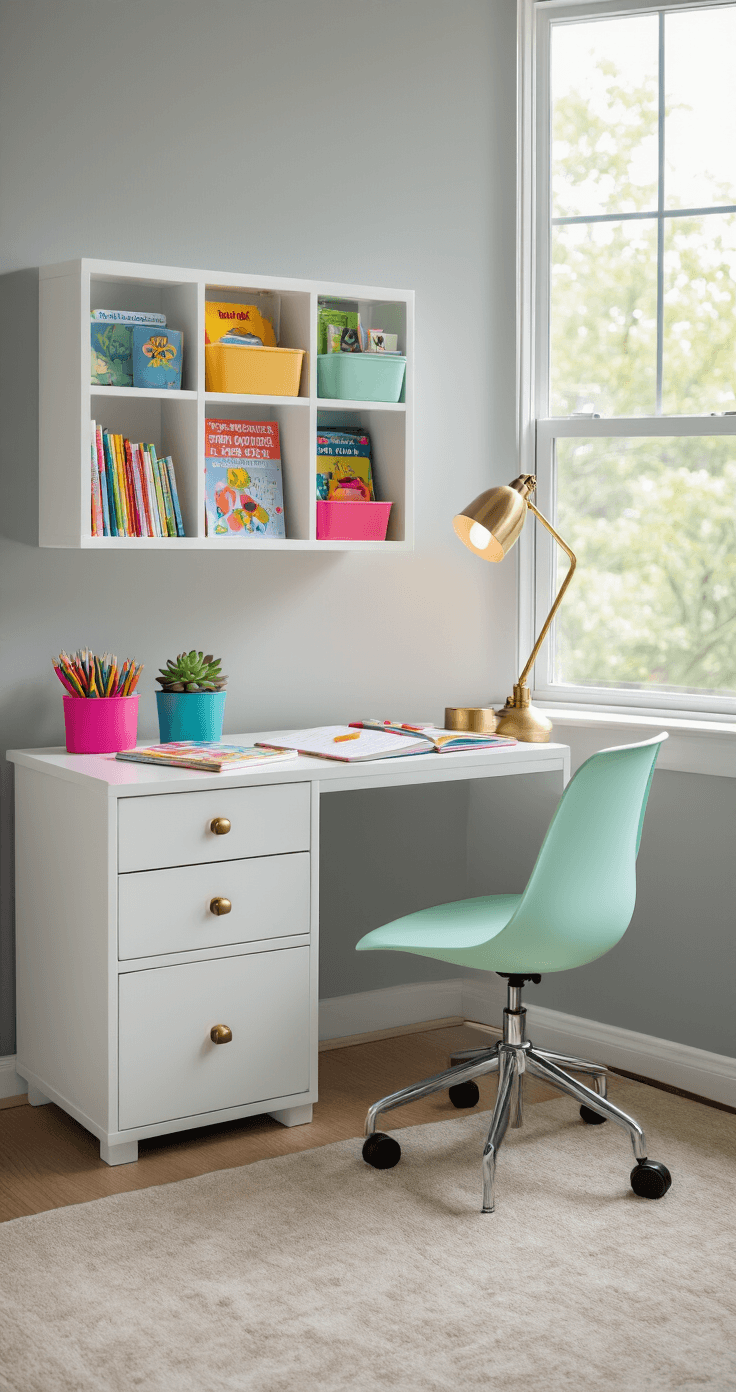
These desks come loaded with drawers, cubbies, and shelves.
This is your frontline defense against “Mom, where’s my eraser?” syndrome.
I cannot stress enough how much a desk with drawers and organizers saves your sanity. My son’s desk has three drawers—one for writing supplies, one for art materials, one for the random treasures kids collect. Everything has a spot, which means less time searching and more time actually working.
The built-in organization teaches kids to maintain systems without you hovering over them.
Computer Desks: For the Screen Generation
Like it or not, most homework now requires a laptop or tablet.
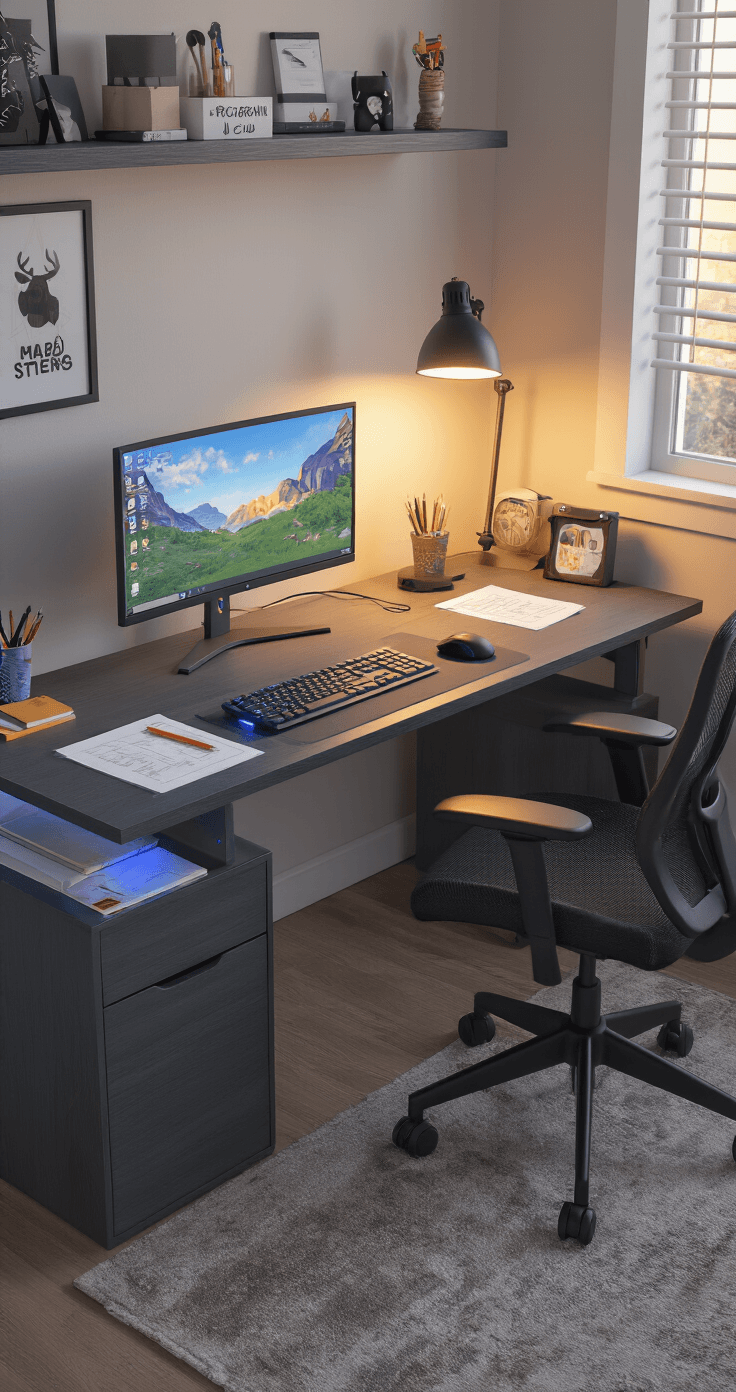
Computer desks designed for kids include:
- Cable management so cords don’t become cat toys
- Keyboard trays at the right height
- Monitor stands that prevent neck strain
- Sometimes USB charging ports built right in
I resisted getting my kids a “tech desk” for years, thinking they’d just game all day. Turns out, having proper equipment makes online learning way less frustrating.
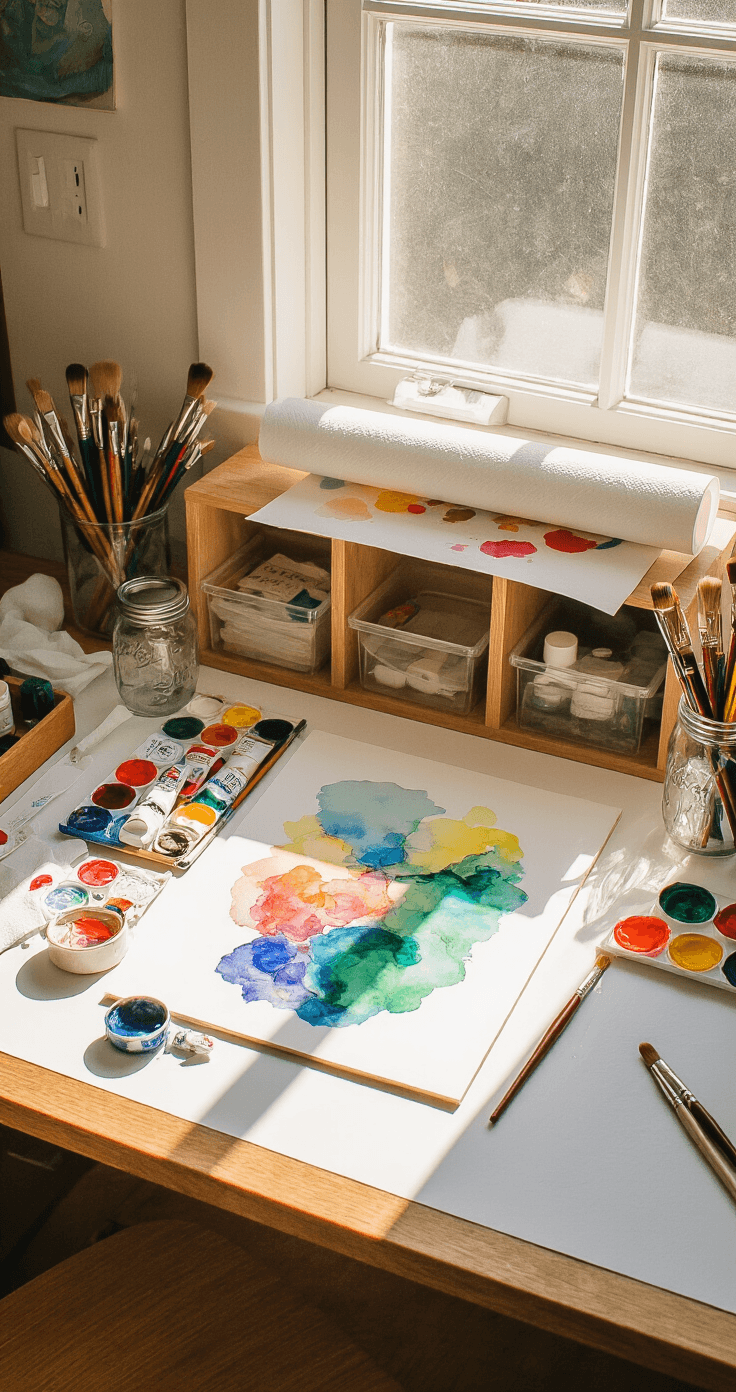
Art Desks: Where Creativity Gets Messy
Art desks feature surfaces you can actually clean.
Think laminate tops instead of fancy wood veneers that stain when a marker cap goes missing.
These desks often include:
- Paper roll holders
- Supply caddies
- Tilting tops for better drawing angles
- Easy-wipe surfaces that forgive spilled paint
My daughter’s adjustable art desk tilts up for drawing and lays flat for crafts. Game-changer for her comfort and the quality of her artwork.
Wall-Mounted Desks: The Space Saver
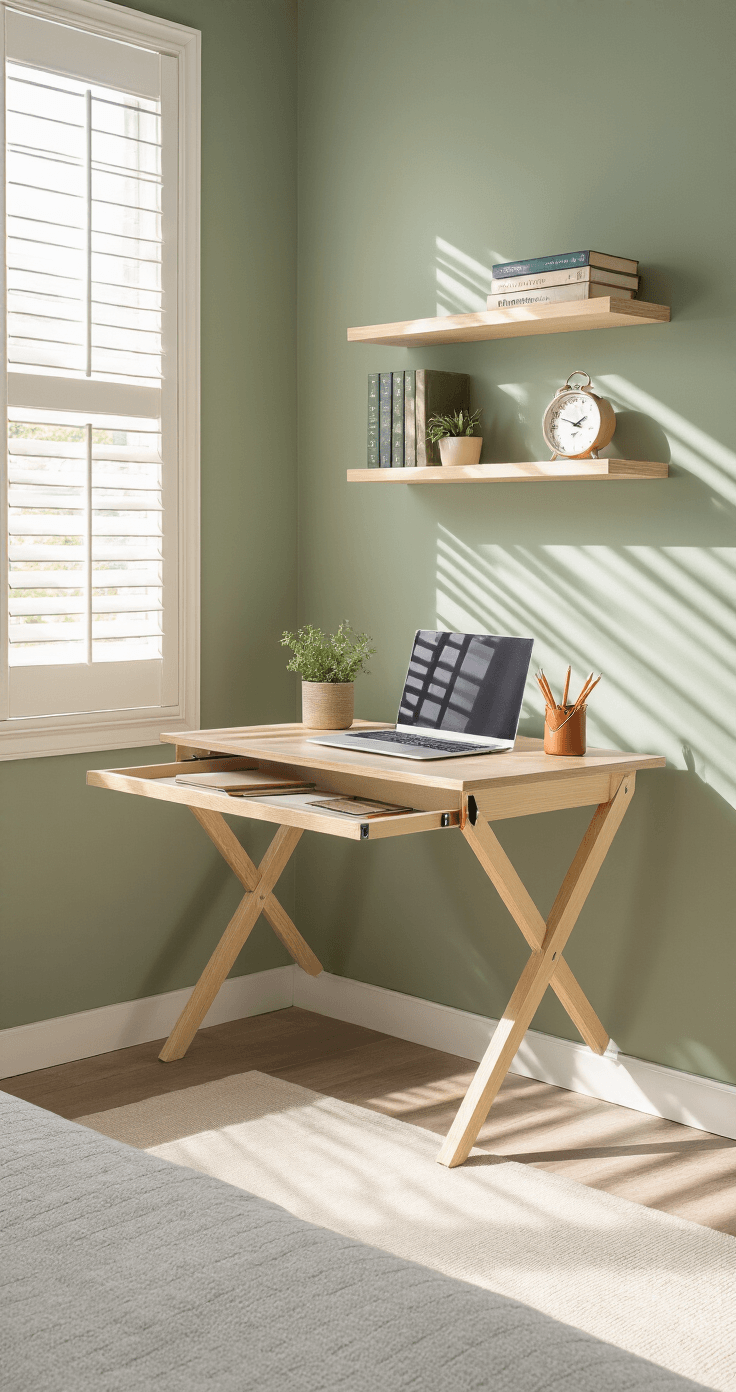
Small bedrooms demand creative solutions.
Wall-mounted desks fold up when not in use, giving you floor space back. I installed one in my nephew’s tiny room, and suddenly he had space to actually move around.
The downside? Limited storage and no option to relocate without putting new holes in your wall.
Convertible Designs: The Multi-Tasker
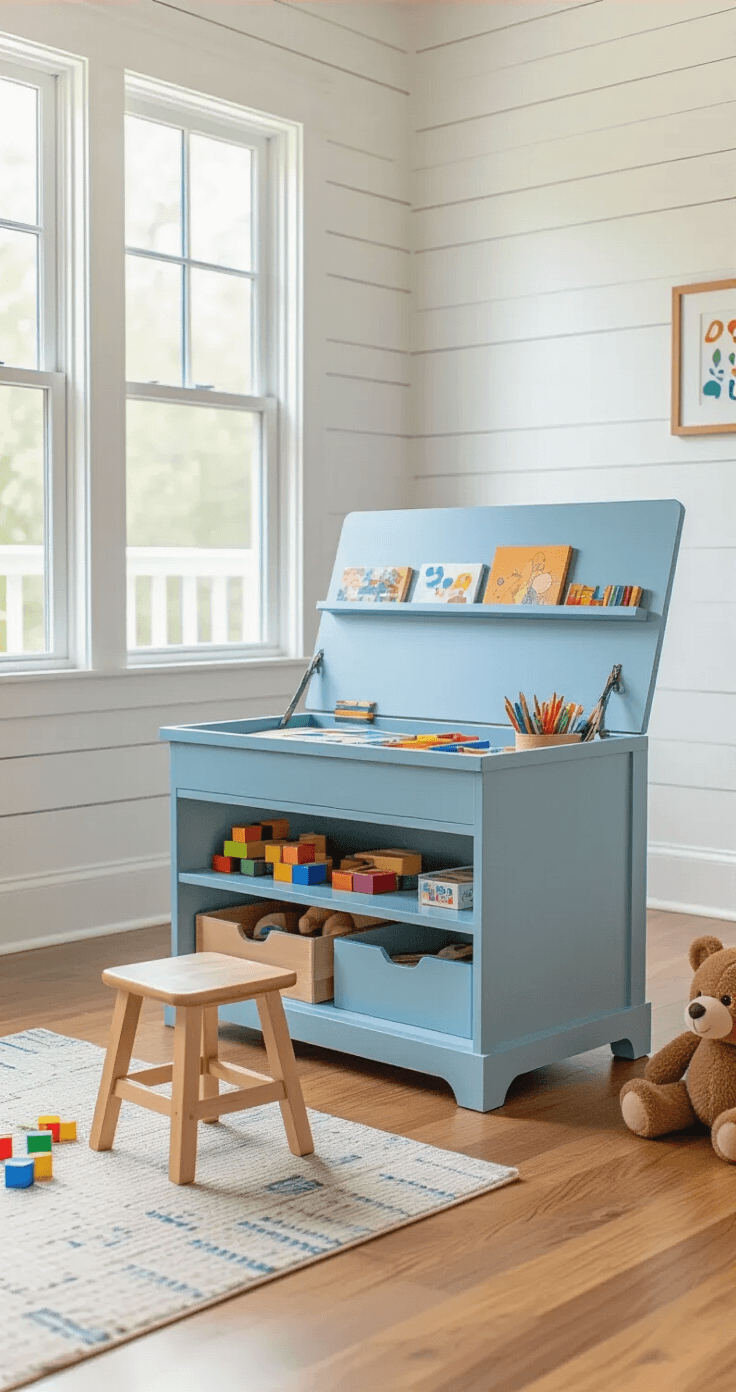
Some desks transform from storage benches to workspaces.
These work brilliantly in playrooms that serve multiple purposes. One minute it’s a toy chest, flip a lid, and boom—instant desk.
Height-Adjustable Models: The Long-Term Investment
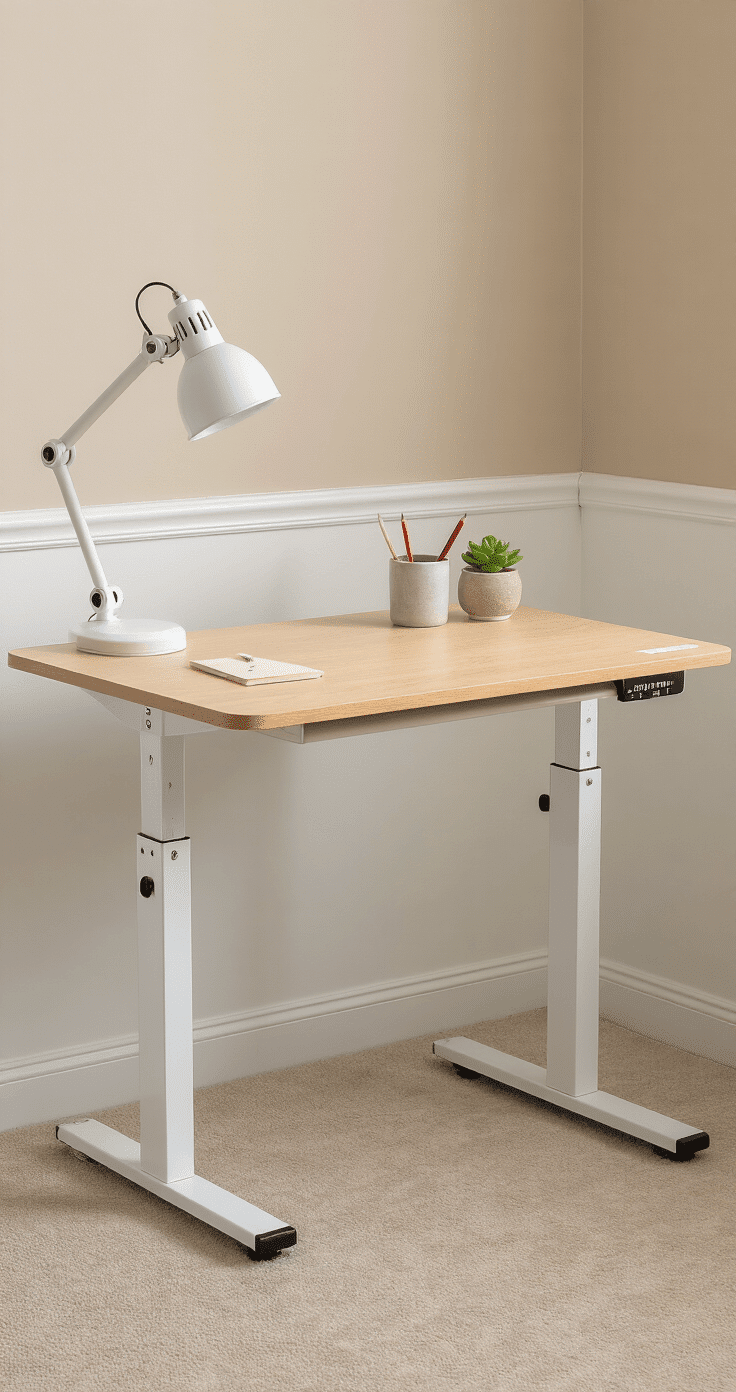
Kids grow faster than you replace furniture.
Adjustable desks extend from toddler height to teen years.
I bought a height-adjustable kids desk for my youngest when she was five. She’s nine now and still using it comfortably. The upfront cost stung, but I’ve saved money by not replacing it every two years.
These desks typically adjust in small increments, so you’re not locked into just three preset heights.
How to Actually Choose the Right Desk (No Regrets Edition)
I’ve made every mistake possible, so learn from my wallet’s pain.
Match the Desk to Your Child’s Age and Size
A five-year-old drowning behind a massive desk looks cute in photos but hates using it.
Measure your child sitting down. Their feet should touch the floor, and their elbows should rest at 90 degrees on the desktop.
- For toddlers (ages 3-5): Desks around 20-22 inches high
- For elementary kids (ages 6-10): Desks around 22-25 inches high
- For tweens and teens (ages 11+): Standard desk height or adjustable models
Don’t guess and hope they’ll “grow into it”—they won’t use furniture that’s uncomfortable.
Consider What They’ll Actually Do There
Be honest about your kid’s real activities.