
This post may contain affiliate links. Please see my disclosure policy for details.
Why Most Kids Desks Fail (And How to Pick One That Won’t)
Here’s the brutal truth: cute doesn’t cut it.
I’ve watched parents drop hundreds on Instagram-worthy desks that look stunning in photos but fall apart in real life.
Your kid needs a workspace that functions first, photographs second.
The non-negotiable features that separate garbage from gold:
- Sturdy construction that withstands a 50-pound kid leaning their entire body weight on one corner
- Adequate surface space for spreading out textbooks, papers, and that science project due tomorrow
- Easy-to-clean surfaces because juice boxes leak and markers don’t have caps
- Age-appropriate height so their shoulders don’t hunch like a stressed accountant
I learned this the hard way when my son developed neck pain from a desk built for someone six inches taller.
Chairs Matter More Than You Think
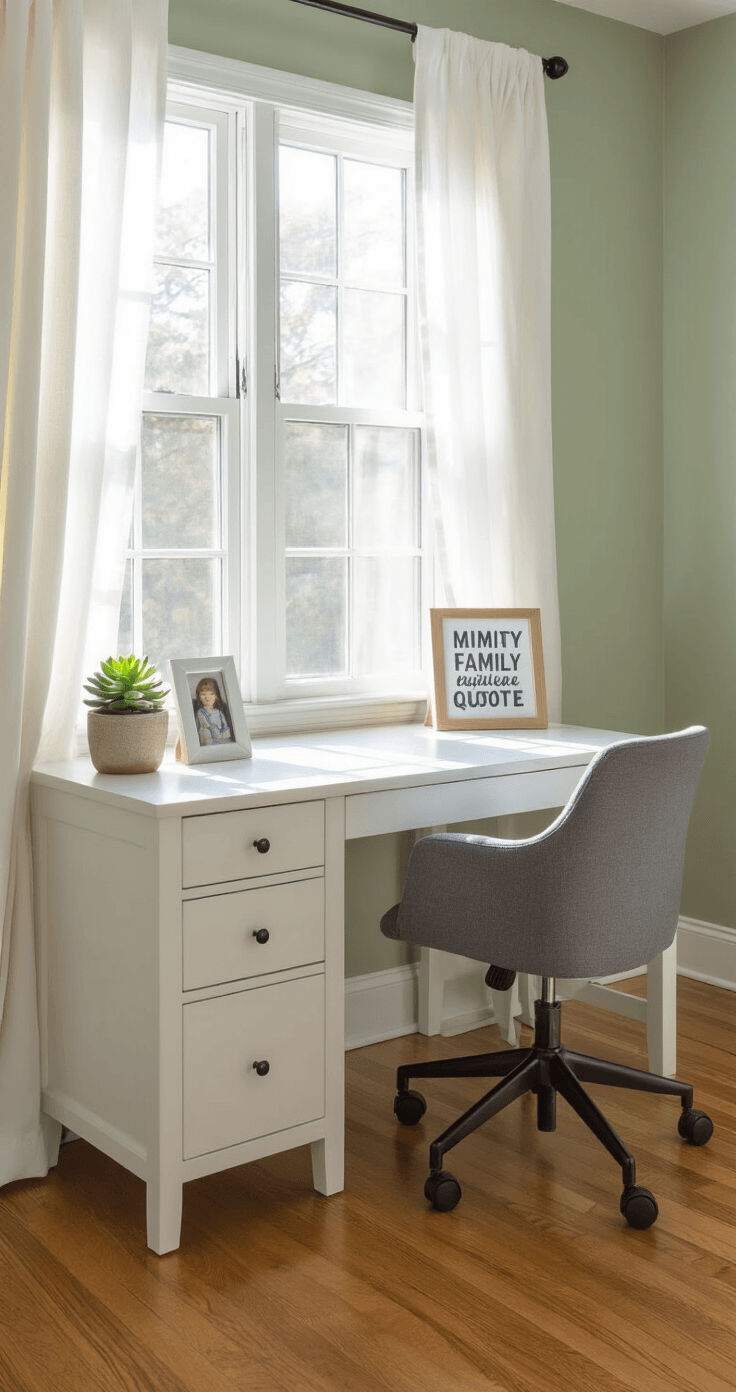
The desk gets all the glory, but a supportive kids desk chair does the heavy lifting.
I noticed my daughter’s reading comprehension improved dramatically once we fixed her seating situation.
Sounds crazy, but discomfort destroys focus.
What to look for in a chair:
- Adjustable seat height that lets feet rest flat on the floor
- Back support that hits the lumbar region properly
- Appropriate cushioning that balances comfort with posture support
- Wheels or no wheels? I prefer stationary chairs for younger kids who treat wheeled chairs like carnival rides
My eight-year-old proved this point by spinning herself dizzy instead of finishing her math worksheet.
Some battles aren’t worth fighting—just skip the wheels.
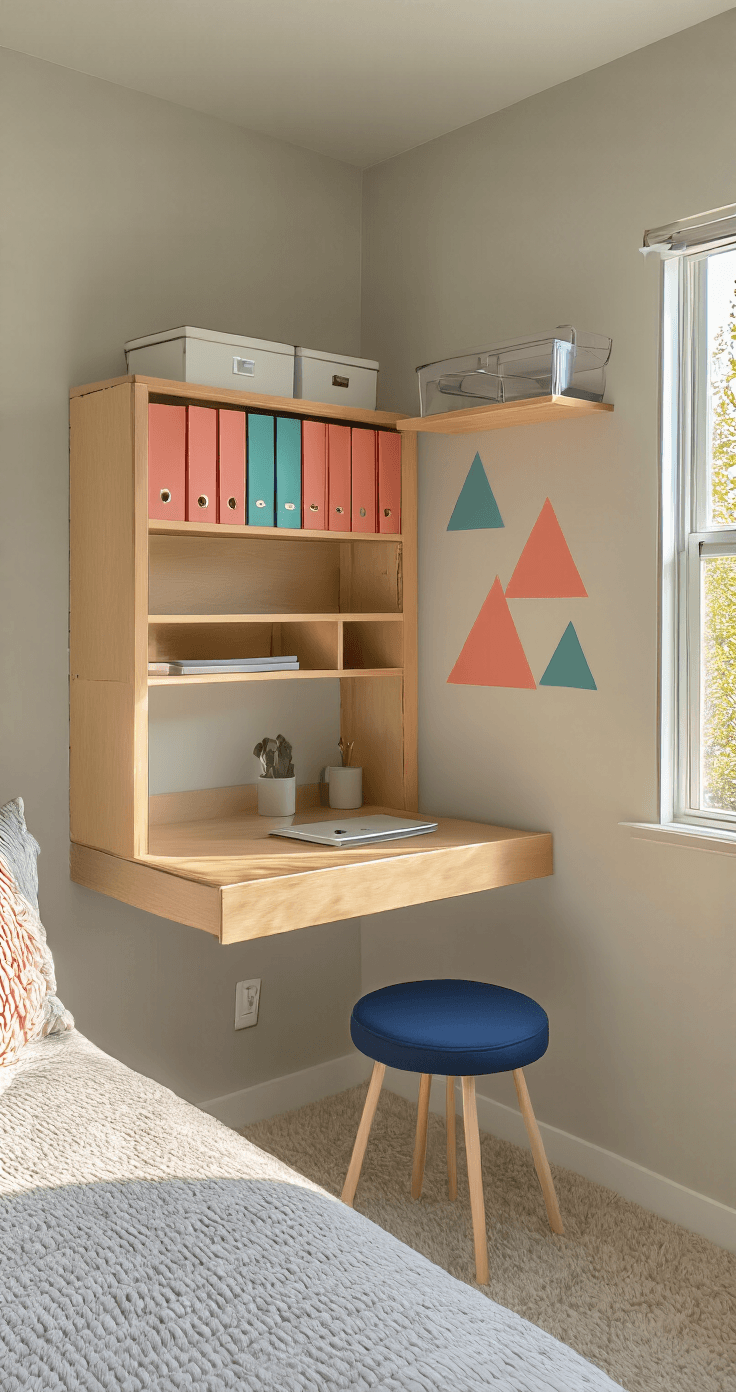
Storage: The Secret Weapon Against Homework Meltdowns
Remember those peaceful afternoons I mentioned?
They arrived when I stopped letting school supplies live in seventeen different locations.
Every missing eraser meant a ten-minute expedition followed by tears and “I CAN’T FIND ANYTHING!”
Built-in storage solutions that actually work:
- Drawers for papers and notebooks that slide smoothly (test this in the store—cheap glides jam constantly)
- Shelving for textbooks within arm’s reach
- Desktop organizers or hutches for daily-use items
- Cable management if devices are involved
I swear by desk organizer caddies that corral pens, pencils, scissors, and glue sticks in one spot.
No more supply scavenger hunts.
No more interrupting homework flow to search the entire house for a single colored pencil.
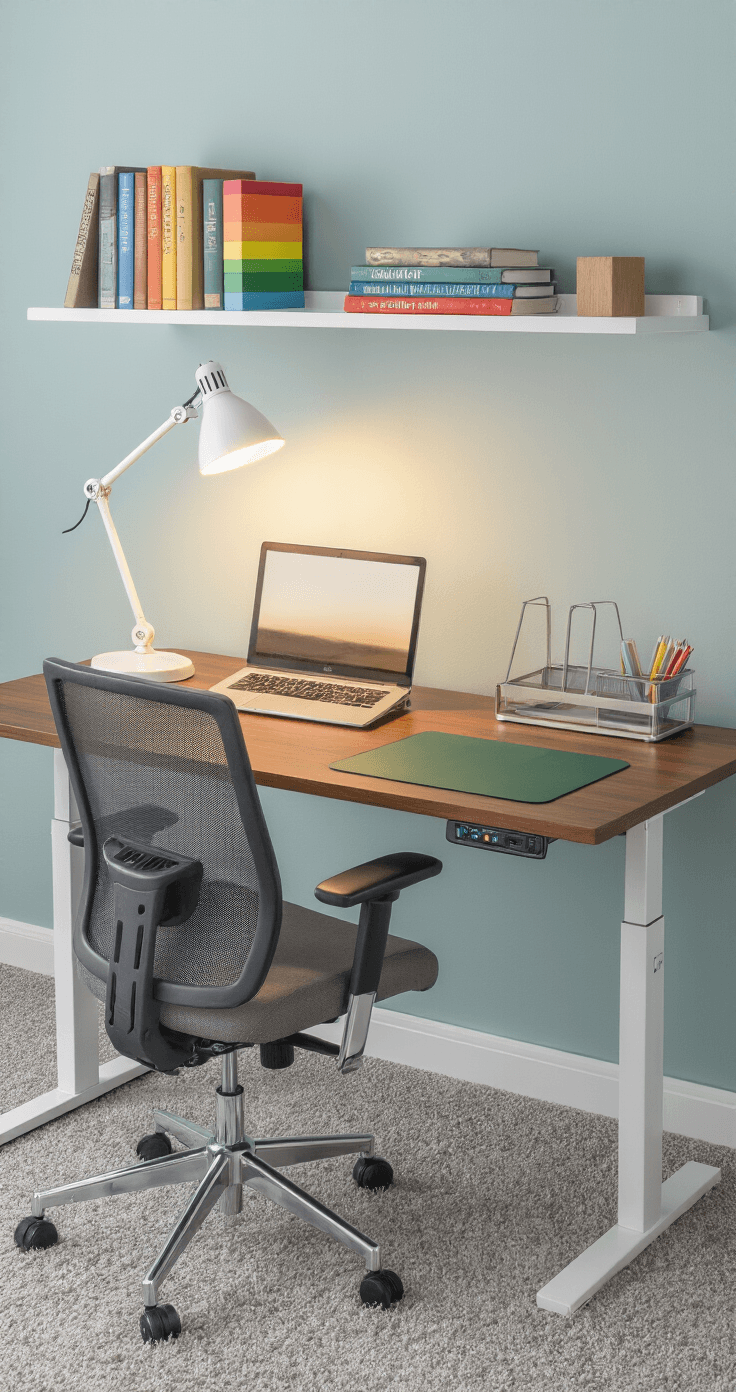
Adjustable Desks: Worth the Investment?
I resisted height adjustable kids desks for years because they cost more.
Then I calculated what I’d spent replacing three different desks as my kids grew.
The math hurt.
Benefits that justified the price tag:
- Grows with your child from age 5 to 15
- Promotes proper ergonomics at every stage
- Allows standing work positions (great for wiggly kids)
- Better resale value when you’re finally done
My nephew uses the same adjustable desk he got in first grade, and he’s now in eighth grade.
That’s seven years of service from one piece of furniture.
Compare that to buying new desks every time they hit a growth spurt.
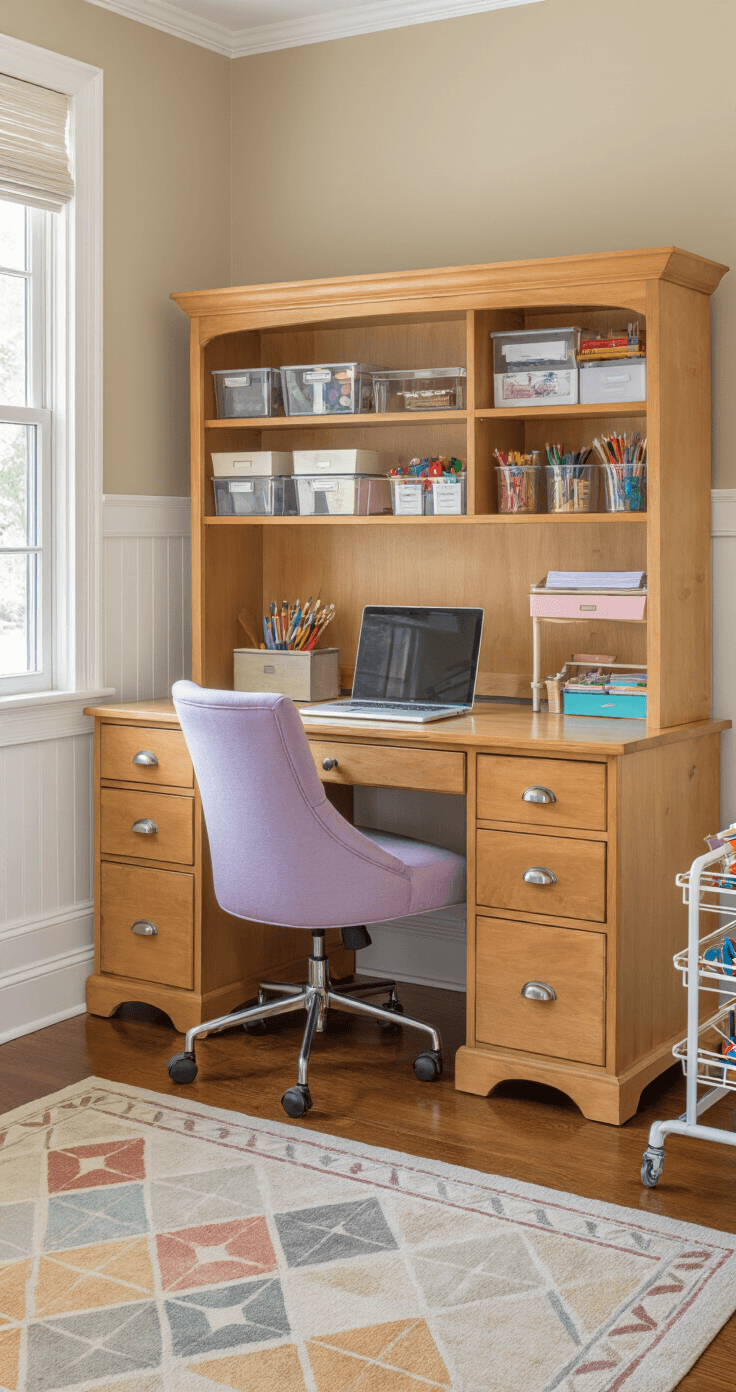
The Art Desk Dilemma: Separate or Combined?
If your kid loves creating, you’re facing a choice.
One desk for everything, or dedicated spaces for homework versus art?
I tried the combined approach first—disaster.
Paint water knocked over onto book reports.
Glitter permanently embedded in math homework.
Dried clay chunks jamming pencil sharpeners.
My solution:
A traditional homework desk plus a portable art caddy or cart that wheels out for projects, then stores away.
Keeps creative chaos contained without sacrificing that artistic outlet.
For families with space and serious young artists, dedicated art desks with paper roll holders and washable surfaces make sense.
Just don’t pretend a regular desk will handle both jobs equally well.
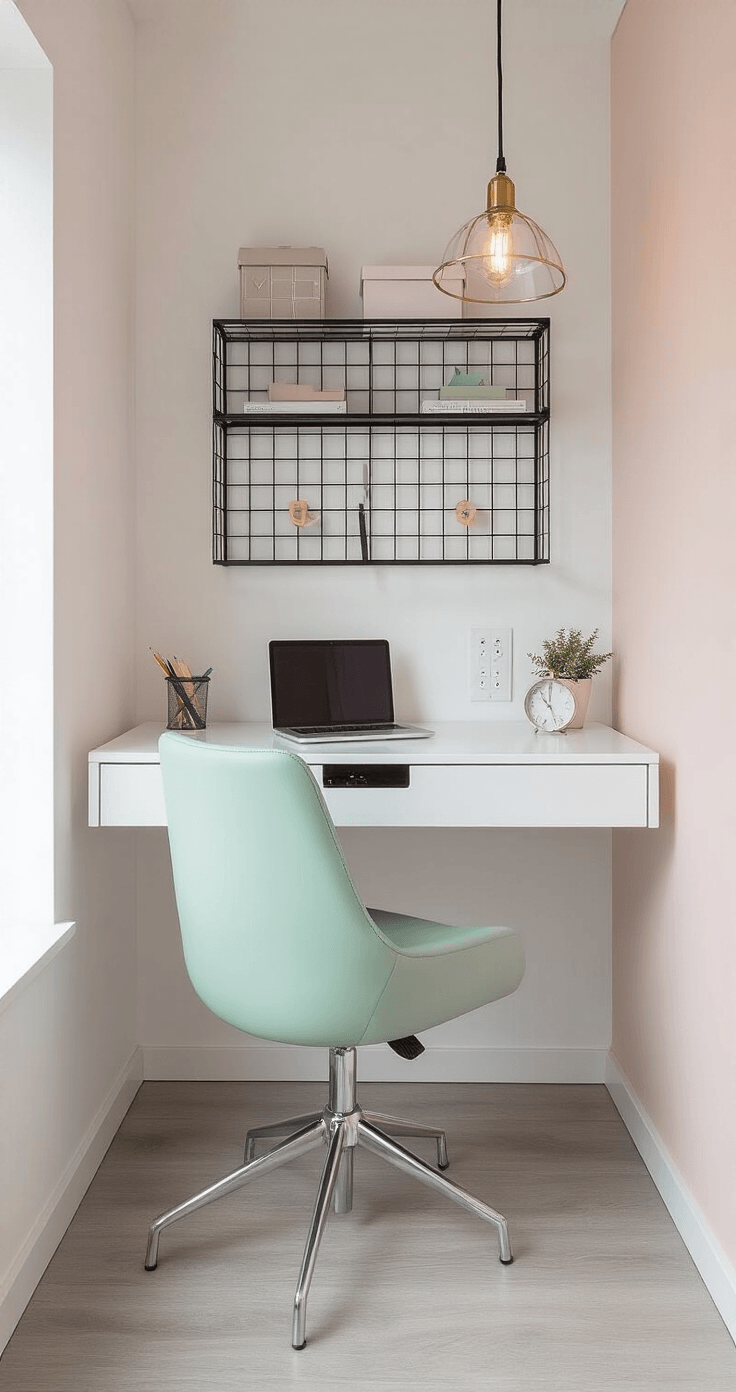
Small Space Solutions That Don’t Feel Like Compromises
Not everyone has a sprawling bedroom for a full desk setup.
My friend’s daughter shares a room with her sister—floor space is premium real estate.
Space-saving options that work:
- Wall-mounted fold-down desks that disappear when not in use
- Corner desks that maximize awkward spaces
- Narrow writing desks (24-30 inches wide) that fit tight areas
- Over-bed desk tables with wheels for temporary workspaces
I’ve seen wall-mounted floating desks work beautifully in shared rooms.
They provide legitimate workspace without dominating the room or creating trip hazards.
Bonus: they’re at the perfect height if you mount them correctly (measure your kid first, not after installation like I did).