
This post may contain affiliate links. Please see my disclosure policy for details.
Pool Table Balls: Everything You Need to Know Before Your Next Game
Pool table balls might seem like simple spheres, but choosing the wrong set can completely ruin your game night.
I’ve been there – excited about my new pool table, I grabbed the cheapest set I could find online. Big mistake. The balls chipped after just a few months, the colors faded, and my friends started making jokes about my “discount billiards experience.”
Don’t make my rookie error.

What Exactly Are Pool Table Balls?
Pool table balls are precision-crafted spheres designed for cue sports like pool, snooker, and billiards. Each ball must meet strict size and weight standards to ensure fair play. The type and number of balls you need depends entirely on which game you’re planning to play.
Think of them as the athletes of your pool table – without quality performers, even the best table becomes useless.
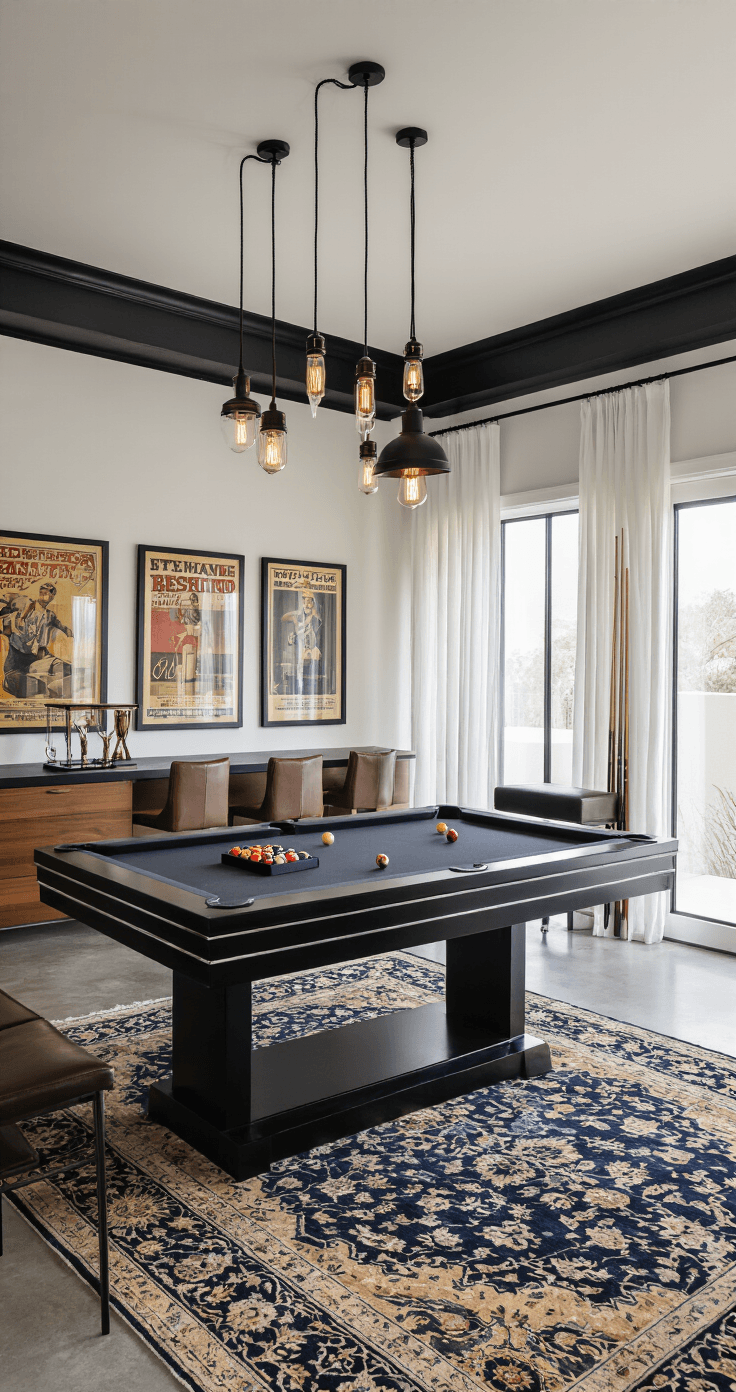
Types of Pool Balls: Finding Your Perfect Match
American 8-Ball: The Gold Standard
Most people think of this set when they hear “pool balls.” You get 15 object balls plus one white cue ball.
Here’s the breakdown:
- Balls 1-7: Solid colors (yellow, blue, red, purple, orange, green, maroon)
- Balls 9-15: Striped versions of the same colors
- Ball 8: Solid black (the money ball)
- Cue ball: Plain white
I recommend starting with a complete pool ball set if you’re setting up your first table.
Other Game Formats
Nine-Ball Players: You only need balls numbered 1-9 plus the cue ball. Much simpler setup, faster games.
British Eight-Ball: Forget the numbers – you get red balls, yellow balls, a black 8-ball, and a white cue ball. No stripes, no confusion about which ball belongs to whom.
Carom Billiards: Just three balls total. No pockets needed on the table either.
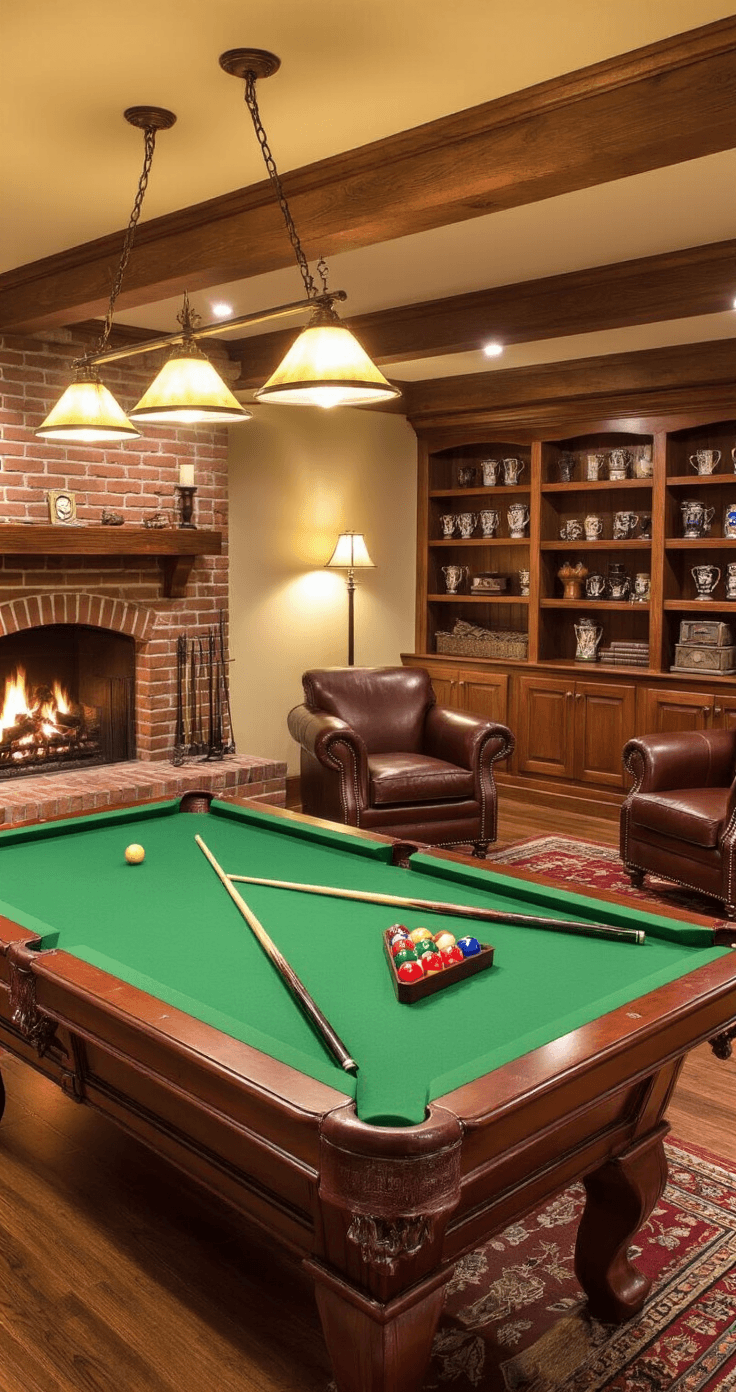
Pool Ball Materials: Why This Choice Makes or Breaks Your Game
I learned this lesson the expensive way.
Phenolic Resin: The Professional Choice
Phenolic resin balls are the Rolls Royce of pool equipment. These bad boys can last up to 40 years with proper care.
Why phenolic resin wins:
- Extreme durability – virtually indestructible under normal play
- Maintains shine for decades
- Consistent roll every single time
- Tournament standard worldwide
The downside? They cost significantly more upfront. But considering they’ll outlast several pool tables, the math works out.
Consider investing in phenolic resin pool balls if you’re serious about your game.
Polyester Resin: The Budget-Friendly Option
Polyester resin balls work perfectly for casual players and beginners. They typically last around 8 years with regular use.
When polyester makes sense:
- Learning the game – no need to invest heavily while developing skills
- Occasional play – weekend warriors don’t need professional-grade equipment
- Tight budget – better to play with decent balls than no balls at all
You can find quality polyester pool balls that perform well for recreational play.
Pool Ball Specifications: Size and Weight Matter More Than You Think
Standard American pool balls measure exactly 2¼ inches (57 mm) in diameter. Each ball weighs between 5½ and 6 ounces (160-170 grams).
These aren’t arbitrary numbers. Consistent size and weight ensure:
- Predictable ball behavior during shots
- Fair gameplay for all players
- Proper table interaction with rails and pockets
Carom balls are slightly different – about 61-61.5 mm diameter and 205-220 grams weight. They need the extra mass for better control on pocketless tables.
Choosing the Right Pool Balls for Your Setup
Consider Your Playing Style
Serious players should invest in phenolic resin sets. The consistent performance and longevity justify the higher cost.
Casual players can start with polyester resin and upgrade later. No shame in working your way up as your skills improve.
Match Your Table Size
Standard balls work on regulation 9-foot tables. Some bar-style tables use slightly different specifications. Check your table manufacturer’s recommendations before ordering.
A pool ball measuring tool can help verify compatibility if you’re unsure.
Maintaining Your Pool Ball Investment
I’ve seen too many people spend good money on quality balls, then neglect basic maintenance.
Regular Cleaning
Weekly cleaning keeps balls performing at their best. Use warm water and mild soap – nothing fancy required