
This post may contain affiliate links. Please see my disclosure policy for details.
Why Your Desk Choice Actually Matters (More Than You Think)
You spend roughly 2,000 hours a year at your desk if you work full-time. That’s more time than you spend sleeping in your bed, yet most people put more thought into choosing a toaster.
The right desk doesn’t just hold your stuff. It affects your posture, your mood, your focus, and whether you end the day feeling energized or absolutely wrecked.
I’m talking about the difference between finishing work ready for a run versus collapsing onto the couch like a defeated slug.

What Actually Makes a Desk “Modern” (Hint: It’s Not Just Looking Pretty)
Modern office desks blend clean lines with genuine functionality. No unnecessary flourishes. No carved cherubs or brass drawer pulls your grandmother would recognize.
These desks prioritize:
- Clean silhouettes that don’t visually clutter your space
- Multi-functional design that adapts to how you actually work
- Quality materials that last longer than your current job
- Honest construction where you can see exactly what you’re getting
Think mid-century modern meets contemporary workspace. Sharp, intentional, and refreshingly straightforward.
Breaking Down Your Material Options (Because They’re Not All Created Equal)
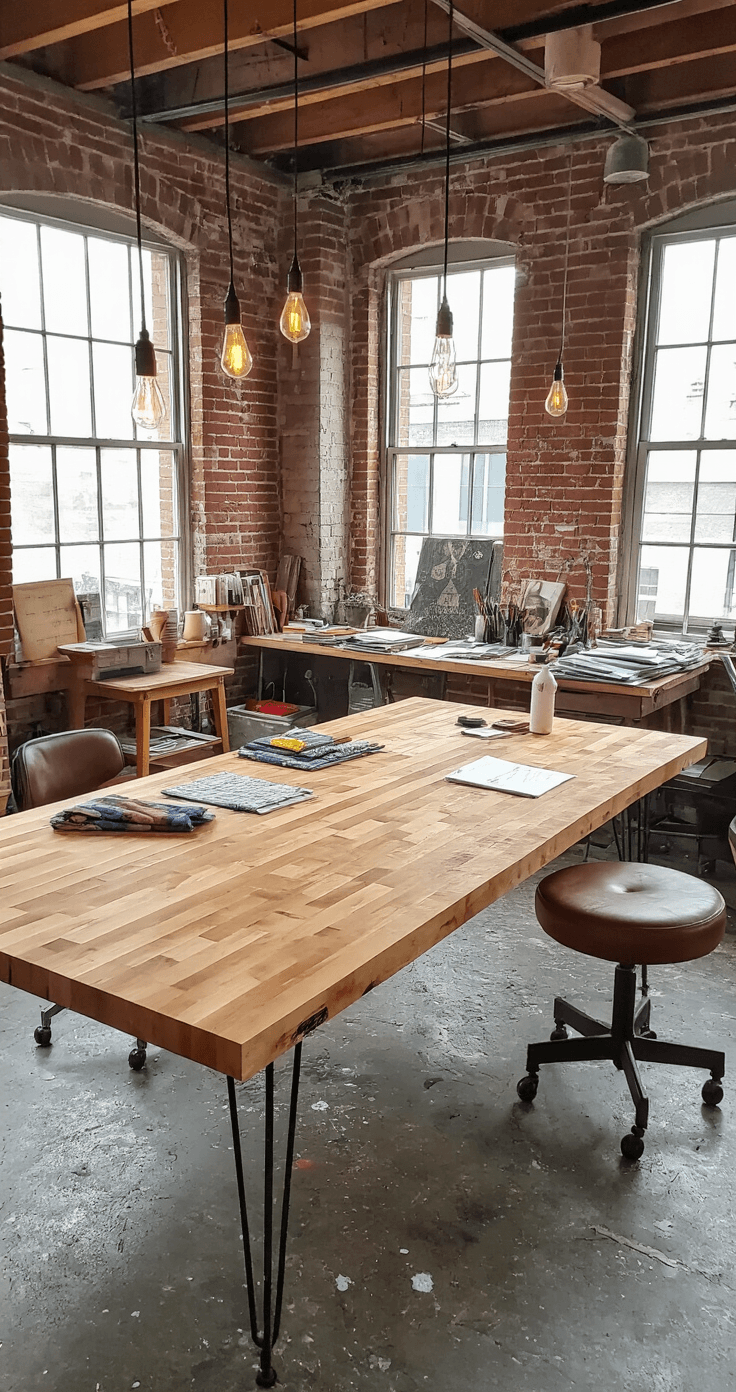
Wood: The Classic That Never Quits
I’ve got a soft spot for wood desks. They bring warmth to spaces that otherwise feel like corporate holding cells.
Rich hardwoods like cherry and walnut develop character over time. That’s fancy talk for “they age beautifully instead of looking progressively worse.”
My walnut desk has survived three moves, countless coffee spills, and that time I dropped a cast-iron pan on it (don’t ask). It’s got some battle scars, sure, but they add personality.
If you want something with staying power, consider a solid wood office desk.
Painted wood in black or white offers that crisp, contemporary vibe. Perfect if you’re going for that Pinterest-worthy workspace aesthetic.
Just make sure it’s actual wood under that paint, not glorified cardboard.
Glass and Metal: For the Minimalist Who Means Business
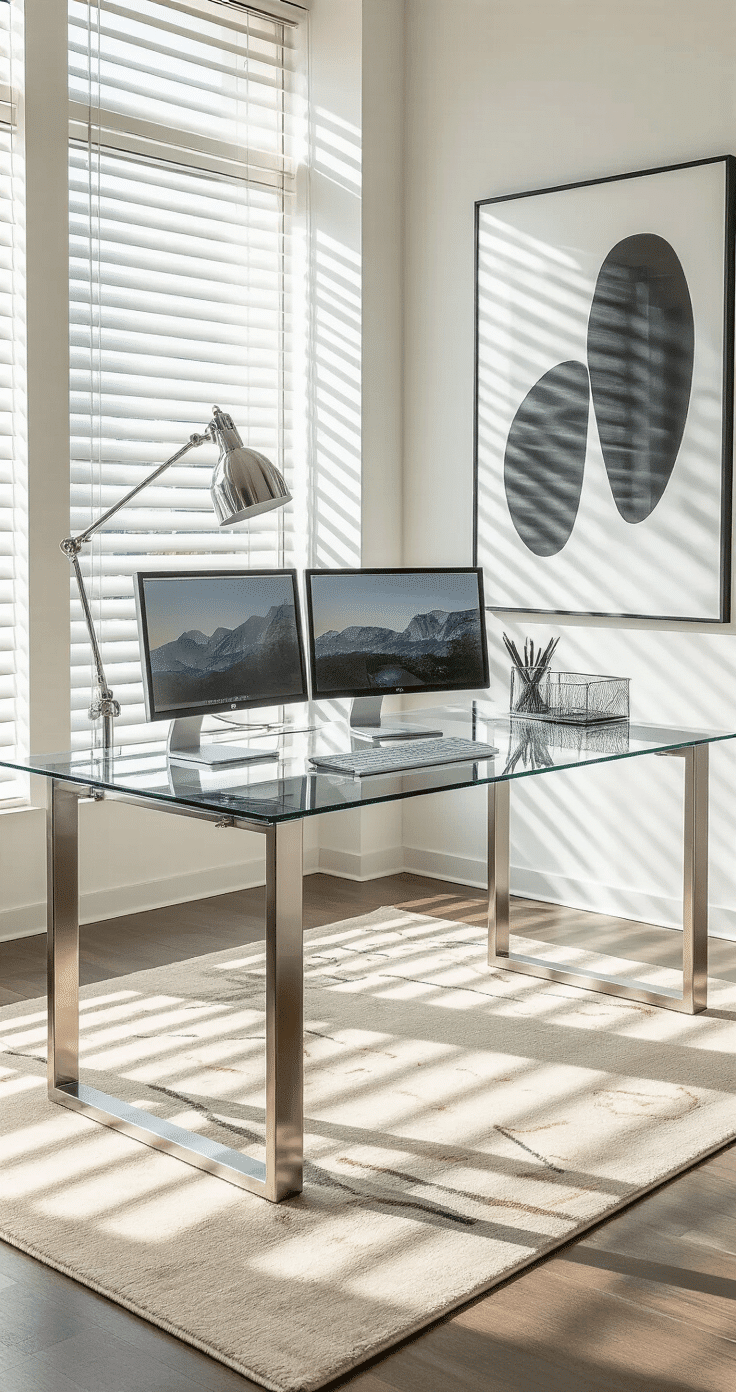
Glass desks are either your dream or your nightmare. There’s no middle ground.
I tested a tempered glass desk for six months. Here’s what I learned:
The good:
- Makes small spaces feel larger
- Shows off interesting flooring or rugs
- Literally takes 30 seconds to clean
- Looks absolutely stunning in the right light
The real talk:
- Every fingerprint becomes a personal affront
- You can see the mess underneath (motivation to stay tidy or constant anxiety)
- Feels cold in winter unless you’ve got a desk mat
That 2023 survey claiming 45% of professionals under 40 prefer glass executive desks? I get it. Glass screams modern credibility in a way wood sometimes doesn’t.
Metal frames paired with any surface create industrial-chic vibes. Brushed metal especially—it’s tough, doesn’t show every scratch, and pairs with literally everything.
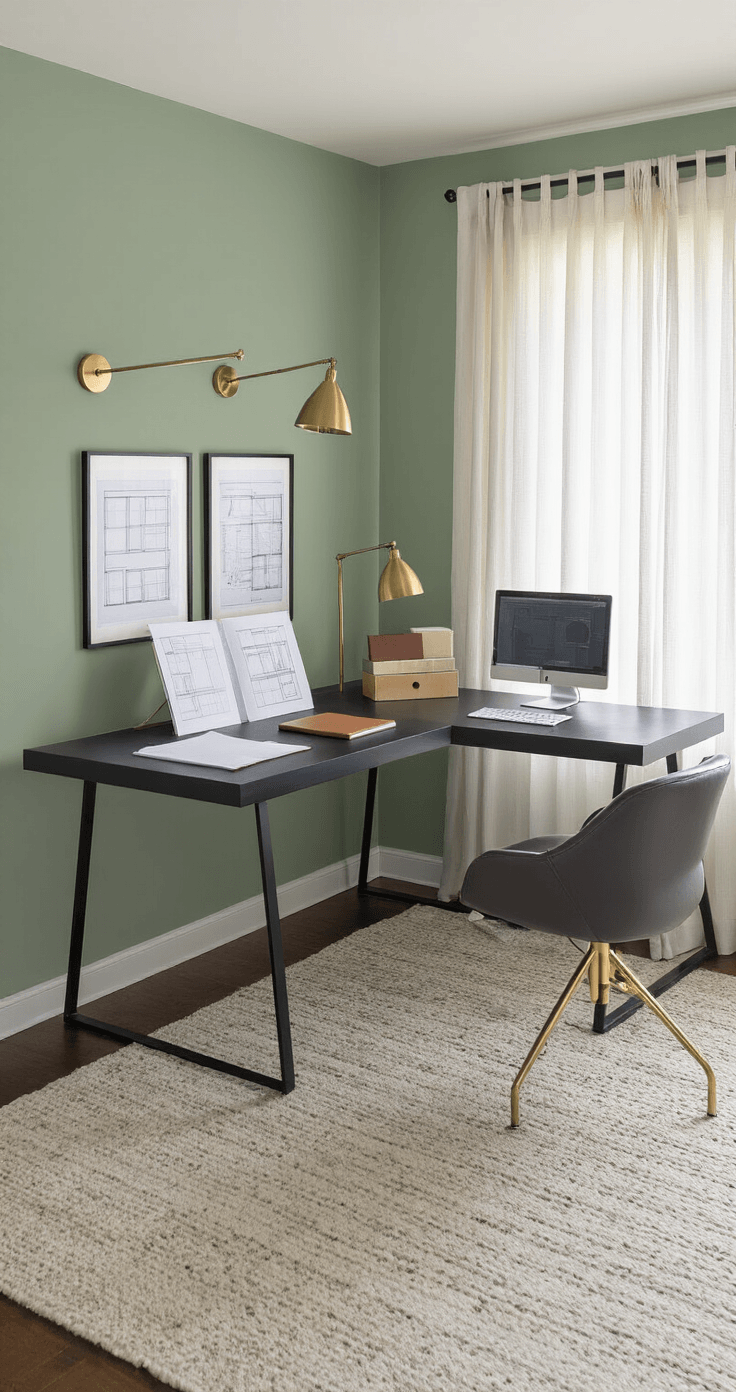
Engineered Wood: The Budget Option That Doesn’t Scream “Budget”
Let’s address the elephant made of MDF in the room.
Engineered wood gets snobbery from purists, but here’s the truth: quality plywood and MDF desks can absolutely hold their own.
I furnished my first home office entirely with engineered wood pieces. Five years later, they’re still rock solid.
What to look for:
- Thickness (thinner than 1 inch tends to bow under weight)
- Edge banding that’s properly sealed
- Weight capacity ratings over 100 pounds
- Reviews mentioning “sturdy” more than “flimsy”
Check out MDF office desks that won’t wreck your budget but still deliver.
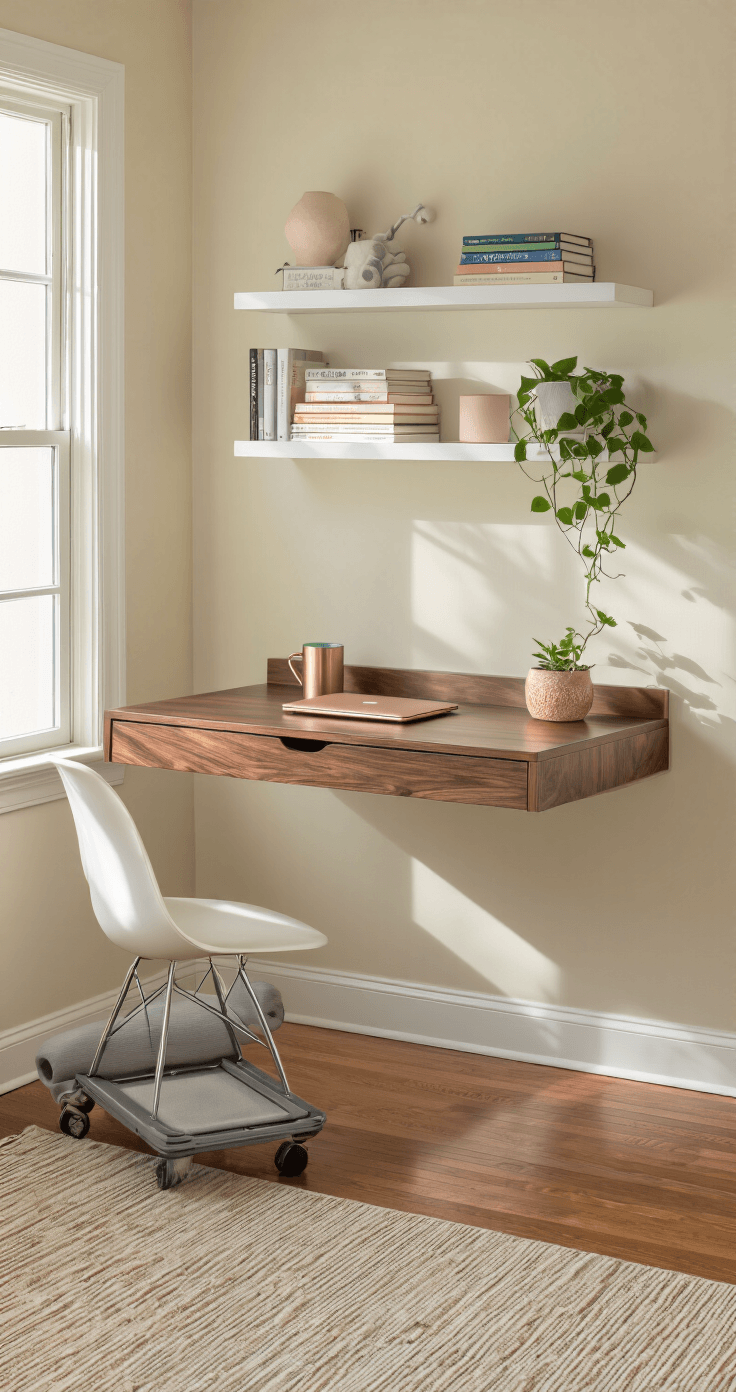
Hybrid Designs: The Best of Everything (When Done Right)
My current desk combines walnut veneer, powder-coated steel legs, and leather desk pad. It works in my modern apartment and would look equally at home in a traditional study.
Hybrid designs adapt. Move houses, change decor styles, repaint walls—your desk still fits.
That versatility matters more than you’d think.
Getting the Measurements Right (Or How I Learned to Stop Slouching)
Standard modern desks sit at 28-30 inches high. This isn’t arbitrary—it’s biomechanics.
When you’re seated:
- Elbows should bend at roughly 90 degrees
- Feet should rest flat on the floor
- Monitor should sit at eye level (or slightly below)
I ignored this for years. The neck pain, shoulder tension, and constant fidgeting? All preventable.
Quick measurement hack: Sit in your desk chair. Measure from the floor to where your forearms naturally rest when relaxed. Add 2 inches. That’s your ideal desk height.
If you’re taller or shorter than average, an adjustable height desk stops being luxury and starts being necessity.
Positioning Your Desk (Because Location Changes Everything)
Natural light transformed my work experience. I went from needing three coffees before lunch to actually feeling energized by noon.
Window placement options:
Facing the window:
- Maximum natural light
- Risk of screen glare (manageable with good blinds)
- Best for tasks requiring sustained focus
Perpendicular to window:
- Balanced light without direct glare
- My personal preference
- Lets you glance outside without full distraction
Back to window:
- Avoids all glare issues
- Might as well work in a cave
- Only recommend if you’ve got terrible views or nosy neighbors
Position your desk where light hits your workspace, not directly in your eyes.